
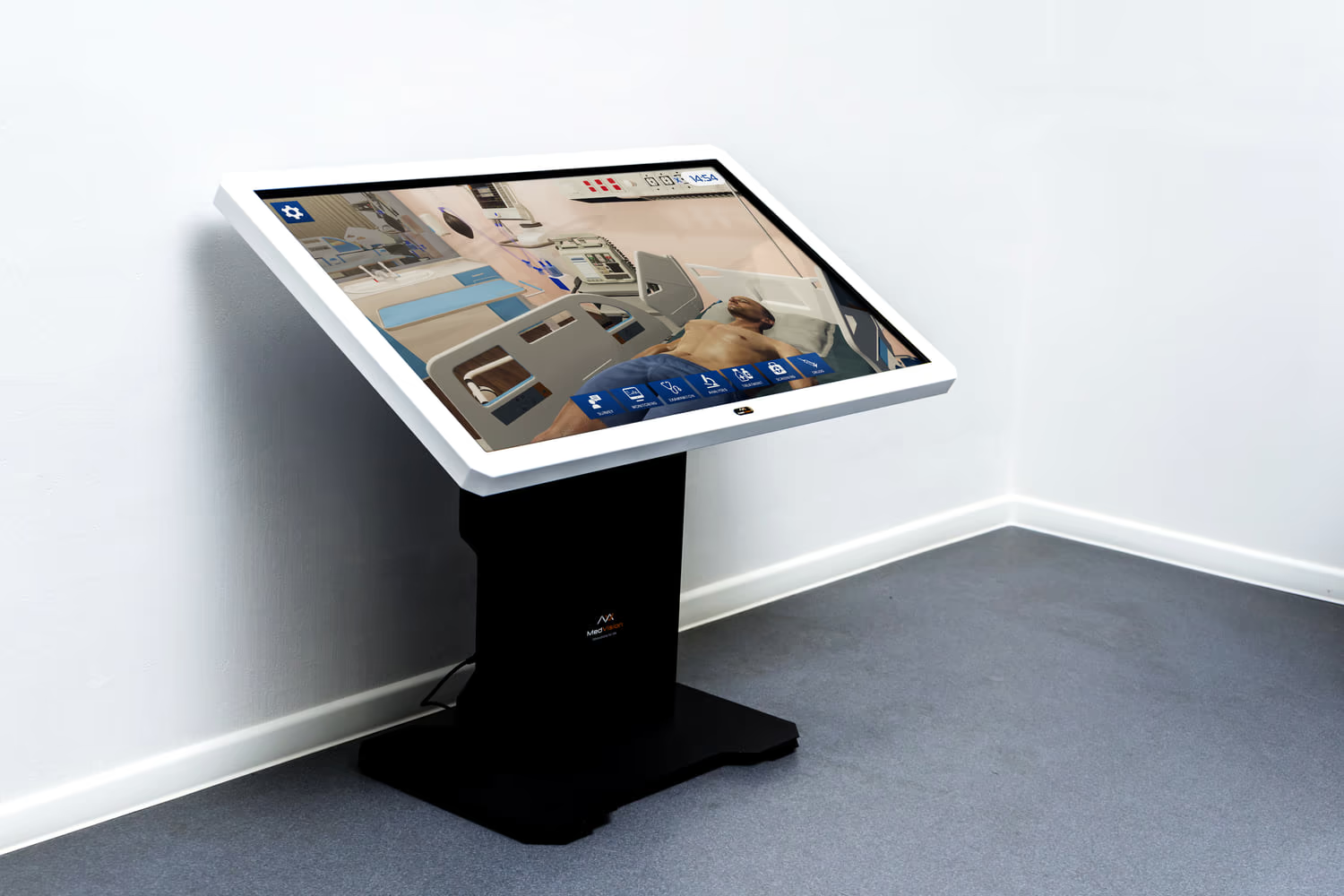
AR / VR in medical training simulation: Revolutionizing Clinical Expertise
In the context of modern medical education, AR VR in medical training simulation refers to the integration of augmented reality (AR) and virtual reality (VR) technologies into clinical practice to create high-fidelity, interactive learning environments. This technological paradigm shift allows practitioners to visualize complex pathologies, practice intricate procedures, and refine decision-making skills without risking patient safety. By merging digital precision with physical environments, these tools serve as a cornerstone of contemporary healthcare training.
Why Is the Convergence of AR and VR Changing Medical Training?
The evolution of clinical education has moved beyond traditional classrooms toward sophisticated, immersive digital experiences. Virtual reality (VR) provides complete immersion, shielding the learner from the physical world to focus entirely on isolated tasks. Conversely, augmented reality (AR) overlays critical data onto the physical workspace, which is indispensable for live, guidance-based procedural practice. When combined with high-fidelity simulation, these technologies bridge the gap between abstract theory and real-world clinical application.
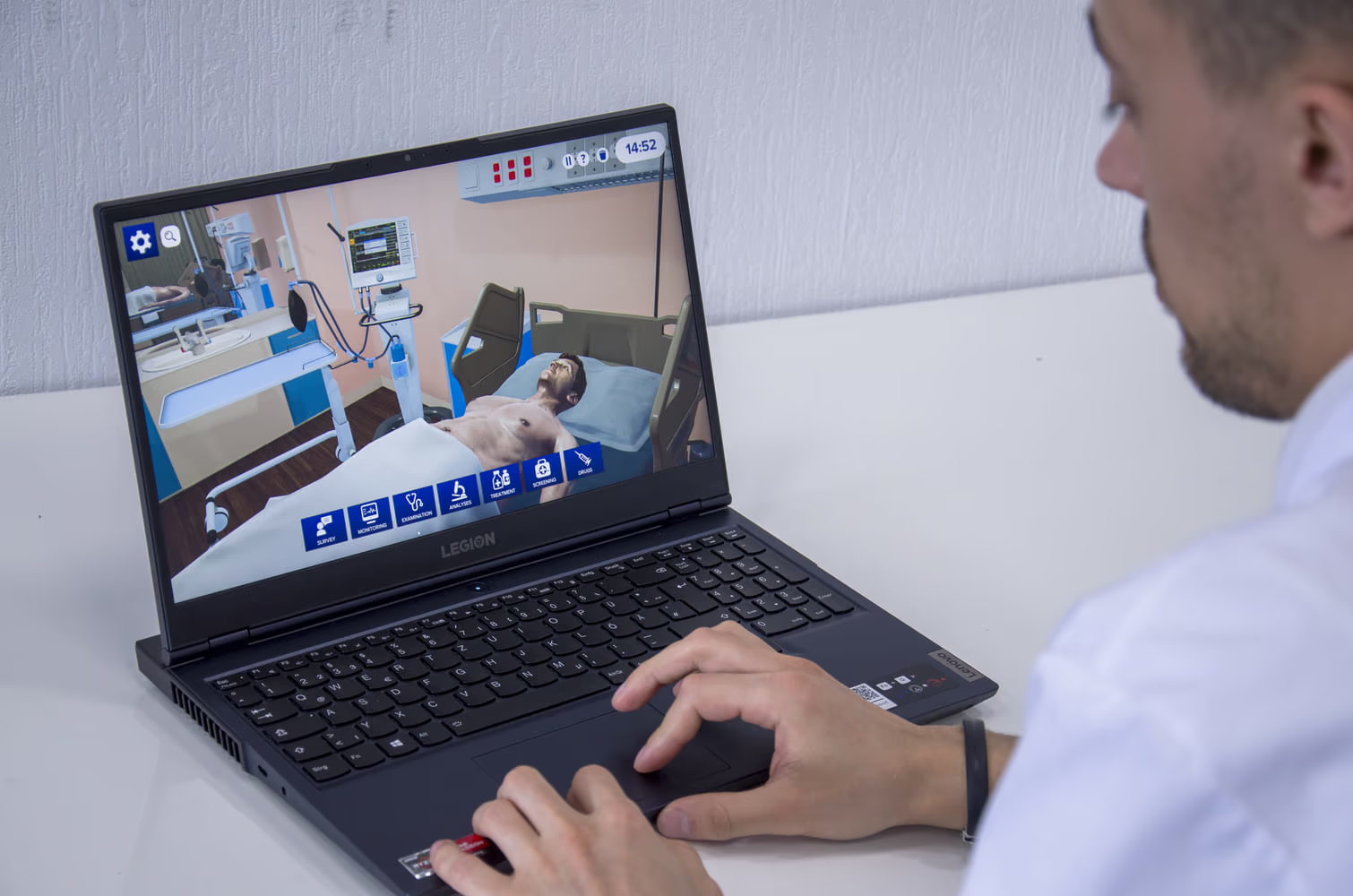
The Distinct Roles of AR and VR in Modern Healthcare
While both technologies utilize advanced graphics to simulate clinical conditions, their functional applications differ significantly. VR is primarily utilized for safe, repetitive practice of dangerous or rare events, such as mass casualty triage or complex anatomical navigation. AR, meanwhile, is the gold standard for clinical settings where the trainee must maintain spatial awareness, such as during ultrasound-guided procedures or pre-operative planning, where digital data must align perfectly with real anatomy.
How Does Augmented Reality Enhance Procedural Accuracy?
Augmented reality transforms how clinicians interact with anatomical structures by projecting 3D visualizations directly onto the patient or model. This improves spatial orientation and reduces cognitive load during high-stakes interventions. When paired with tools like the 3D Anatomy Table, clinicians can manipulate complex volumes, dissect virtual layers, and study intricate pathology, creating a seamless bridge between theoretical knowledge and actionable clinical insights.
What Are the Primary Advantages of Virtual Reality Training?
- Total Immersion: VR isolates trainees from distractions, allowing for deep focus on high-acuity scenarios.
- Scalability: Institutions can deploy consistent, repeatable simulation content across large departments without requiring dedicated physical spaces.
- Risk Mitigation: Rare and catastrophic scenarios can be practiced indefinitely, fostering calm and confidence in medical staff.
- Performance Metrics: Advanced VR platforms track every movement, providing objective data to measure professional growth.
Bridging Digital and Physical Simulation
Despite the power of digital interfaces, tactile feedback remains a critical requirement for mastering physical clinical skills. True competence in surgical and emergency procedures requires haptic fidelity — the physical resistance and sensation that a digital screen cannot replicate. Leading institutions increasingly adopt hybrid approaches, combining VR environments with physical, high-fidelity manikins like the Leonardo or Arthur platforms to provide a comprehensive training solution.
Enhancing Surgical Training Through Hybrid Ecosystems
In the domain of surgical excellence, digital simulation excels at initial cognitive and spatial mapping. However, the refinement of psychomotor skills demands physical interaction. Systems like LapVision allow clinicians to master laparoscopic techniques with realistic resistance, while AngioVision offers a platform for endovascular skills. By integrating these physical trainers with digital overlays or AR guidance, hospitals achieve a level of training that was previously impossible.
How Does Simulation Improve Clinical Decision-Making?
The integration of AR and VR tools into standard training protocols significantly enhances diagnostic accuracy. By simulating diverse clinical presentations, trainees learn to recognize patterns and identify subtle diagnostic markers that are easy to miss in textbook study. This proactive medical training approach ensures that practitioners are prepared for the unpredictable nature of urgent care, directly resulting in better outcomes for the patient and a safer environment for the healthcare team.
Leveraging Proprietary Sensors for Performance Analytics
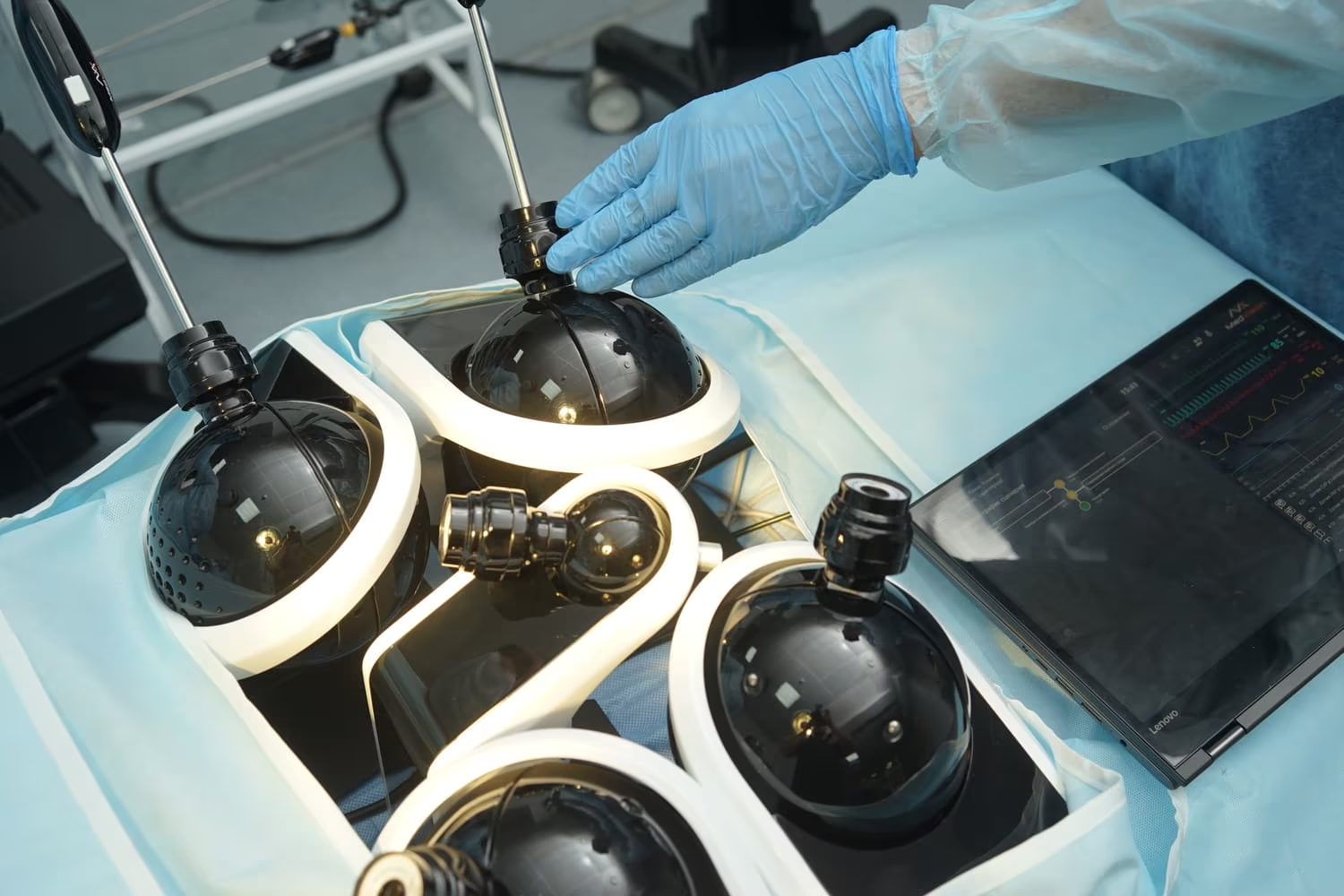
Advanced physical platforms, such as those within the MedVision ecosystem, are equipped with sophisticated sensor systems that complement digital tools. When a trainee performs a chest compression or a specific surgical incision, the system records the data in real-time. This objective feedback loop allows educators to correlate digital visual inputs — such as those seen through an AR headset — with physical performance metrics, creating a holistic view of the trainee's competence.
Future-Proofing Medical Education Infrastructure
Investing in AR and VR is not merely about acquiring hardware; it is about building a sustainable education strategy. As these technologies mature, their cost decreases, and their utility grows. However, the most successful health systems are those that view these digital tools as an extension of their high-fidelity physical simulation programs, rather than as separate, isolated investments. This integrated strategy ensures maximum utilization and superior return on institutional assets.
Strategic Considerations for Scaling Clinical Training Programs
- Standardization: Use VR to ensure every staff member receives the same high-quality instructional experience regardless of their location.
- Interoperability: Ensure that AR and VR solutions can communicate with existing medical simulation platforms and Electronic Health Records.
- Faculty Development: Teachers must be trained not just in using the hardware, but in facilitating debriefing sessions that bridge the virtual and physical training experiences.
- Curriculum Integration: Embed simulation sessions into the core residency and nursing schedules to ensure consistent engagement and skill reinforcement.
How Does AR and VR Transform Pediatric and Neonatal Medical Training?
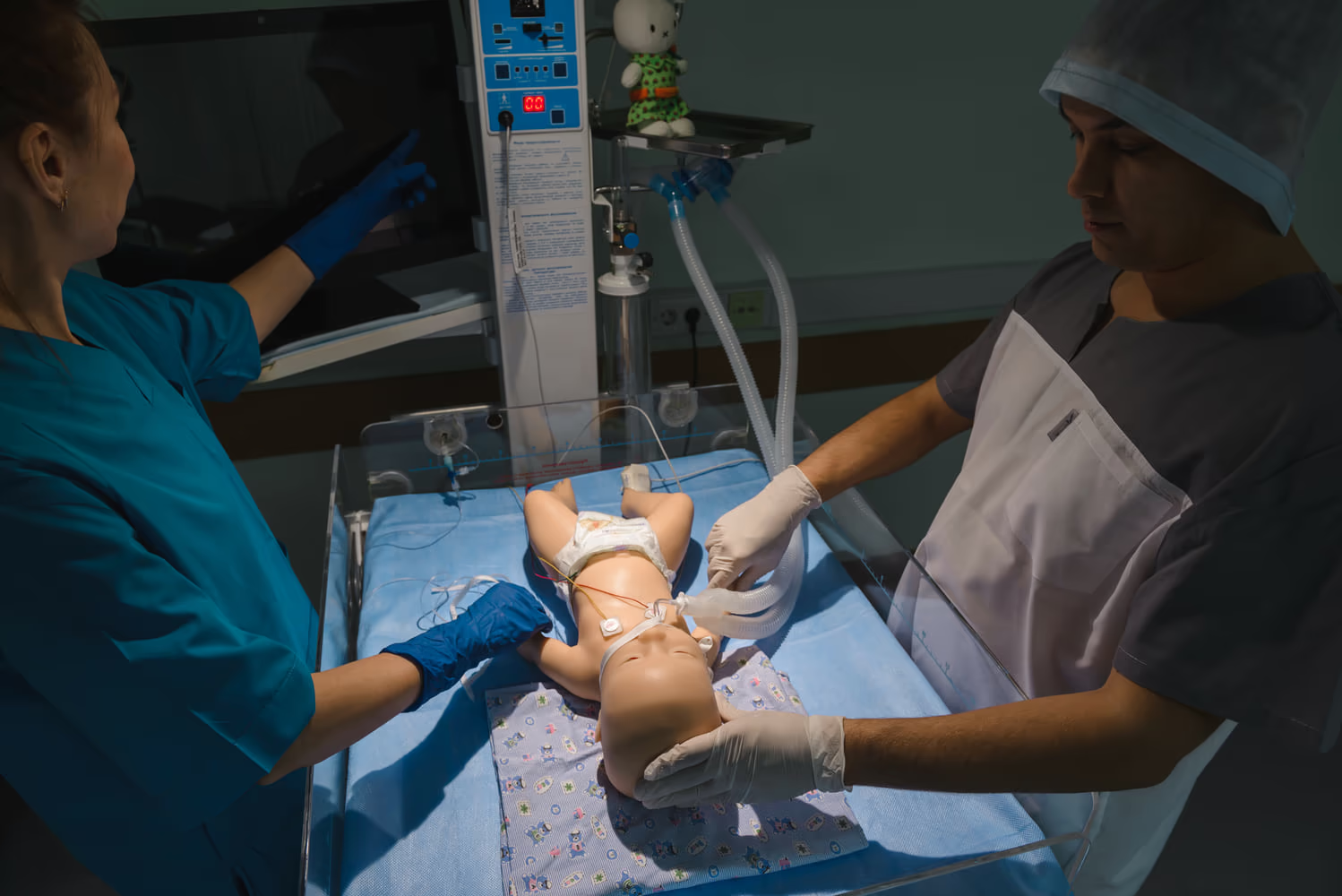
Managing high-acuity pediatric emergencies requires instant clinical precision, where even minor anatomical errors can result in catastrophic outcomes. Integrating AR overlays with specialized pediatric platforms like Arthur enables trainees to visualize internal anatomical anomalies in real-time. This medical training approach allows students to practice complex airway management while viewing virtual anatomical structures, dramatically elevating care standards in vulnerable healthcare populations.
Similarly, neonatal resuscitation presents unique cognitive and psychomotor challenges that traditional education often fails to capture. By combining VR scenario immersion with the high-fidelity Mia neonatal simulator, clinical learners experience the intense psychological pressure of a neonatal intensive care unit. This immersive simulation ensures practitioners master delicate resuscitation protocols without exposing fragile infants to clinical risk.
Key Clinical Advantages of Pediatric XR Simulation
To effectively bridge the gap between textbook theory and high-stakes pediatric emergency care, institutions rely on targeted digital enhancements. The integration of immersive visual tools with realistic physical manikins delivers distinct pedagogical benefits across critical care disciplines:
- Anatomical Visualization: AR systems project dynamic physiological models onto simulators, revealing how congenital conditions alter cardiovascular function during emergency interventions.
- Stress Inoculation: VR environments recreate the chaotic atmosphere of pediatric emergency departments, building psychological resilience and communication skills in healthcare teams.
- Precision Therapeutics: Trainees refine micro-dosing and vascular access techniques using realistic task trainers enhanced by continuous digital visual feedback.
Why Is Augmented Reality Essential for Advanced Diagnostic Simulation?
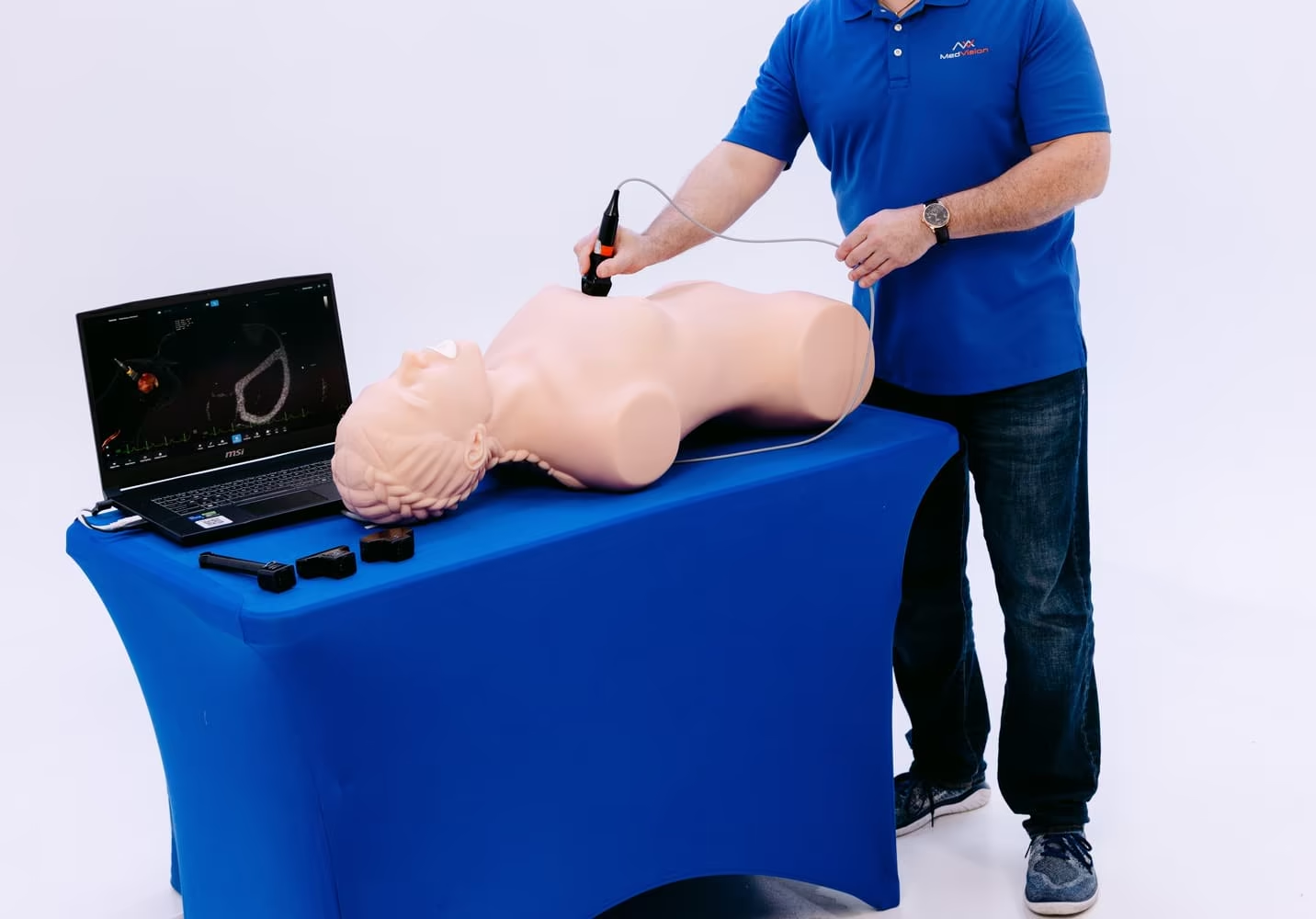
Diagnostic sonography is an inherently spatial discipline that requires translating two-dimensional screen images into three-dimensional anatomical understanding. Deploying AR within medical simulation bridges this cognitive divide by projecting live ultrasound beam paths directly onto the patient model. This immersive visualization accelerates skill acquisition, enabling clinicians to master complex diagnostic interpretations with unprecedented anatomical accuracy.
Specialized diagnostic trainers like SonoVision maximize this learning potential by utilizing anatomical structures derived from real patient CT datasets. When trainees scan the specialized silicone torso, AR interfaces highlight hidden abdominal pathologies and structural abnormalities simultaneously. This sophisticated training methodology transforms routine practice into a high-yield educational encounter, reinforcing both psychomotor probe handling and clinical diagnostic confidence.
Furthermore, sustaining a cutting-edge digital curriculum requires an infrastructure resilient to rapid technological obsolescence. Institutions utilizing simulation platforms that feature lifetime software updates eliminate recurring subscription overhead, ensuring continuous access to evolving VR scenarios and AR diagnostic modules. This long-term stability allows medical centers to expand their digital education offerings while maintaining predictable operational expenditures.
FAQ
Why is hybrid simulation superior to pure VR training?
Pure VR lacks the essential haptic feedback required for physical procedures, such as IV insertion or complex surgical maneuvers. Hybrid simulation combines digital VR visualizations with physical manikins, providing the sensory realism necessary for genuine muscle memory development. This integration ensures that the healthcare professional is prepared for the tactile nuances of real patient interaction, which digital-only solutions currently fail to replicate fully.
Can augmented reality assist during actual live surgical procedures?
Yes, augmented reality is increasingly used in the operating room for intraoperative guidance. By overlaying pre-operative imaging data, such as CT or MRI scans, directly onto the patient, AR provides surgeons with a "see-through" view of internal anatomy. This technology significantly improves accuracy in tumor resection and complex reconstructive surgeries, ultimately reducing operative time and minimizing complications.
How do institutions measure the effectiveness of VR in medical training?
Effectiveness is measured by correlating VR performance data — such as procedural speed, accuracy, and error frequency — with actual clinical outcomes in the ward or operating room. Successful training programs demonstrate a marked reduction in the "learning curve" for residents and a decreased incidence of preventable errors. Tracking these metrics over time provides quantifiable proof that digital simulation drives higher standards of healthcare quality.
What is the primary role of high-fidelity manikins in an AR-driven environment?
High-fidelity manikins serve as the physical, reactive anchor for digital training. While AR provides the guidance and overlay, the manikin provides the physiological reality — such as breathing, pulse, and vocal responses — that requires the trainee to exercise clinical judgment. The synergy between digital data and physical anatomy ensures that medical training covers both the technical mechanics and the human complexity of clinical care.
Immerse yourself in a demo to see how MedVision transforms traditional learning into an engaging, interactive experience

Subscribe for the Latest News!