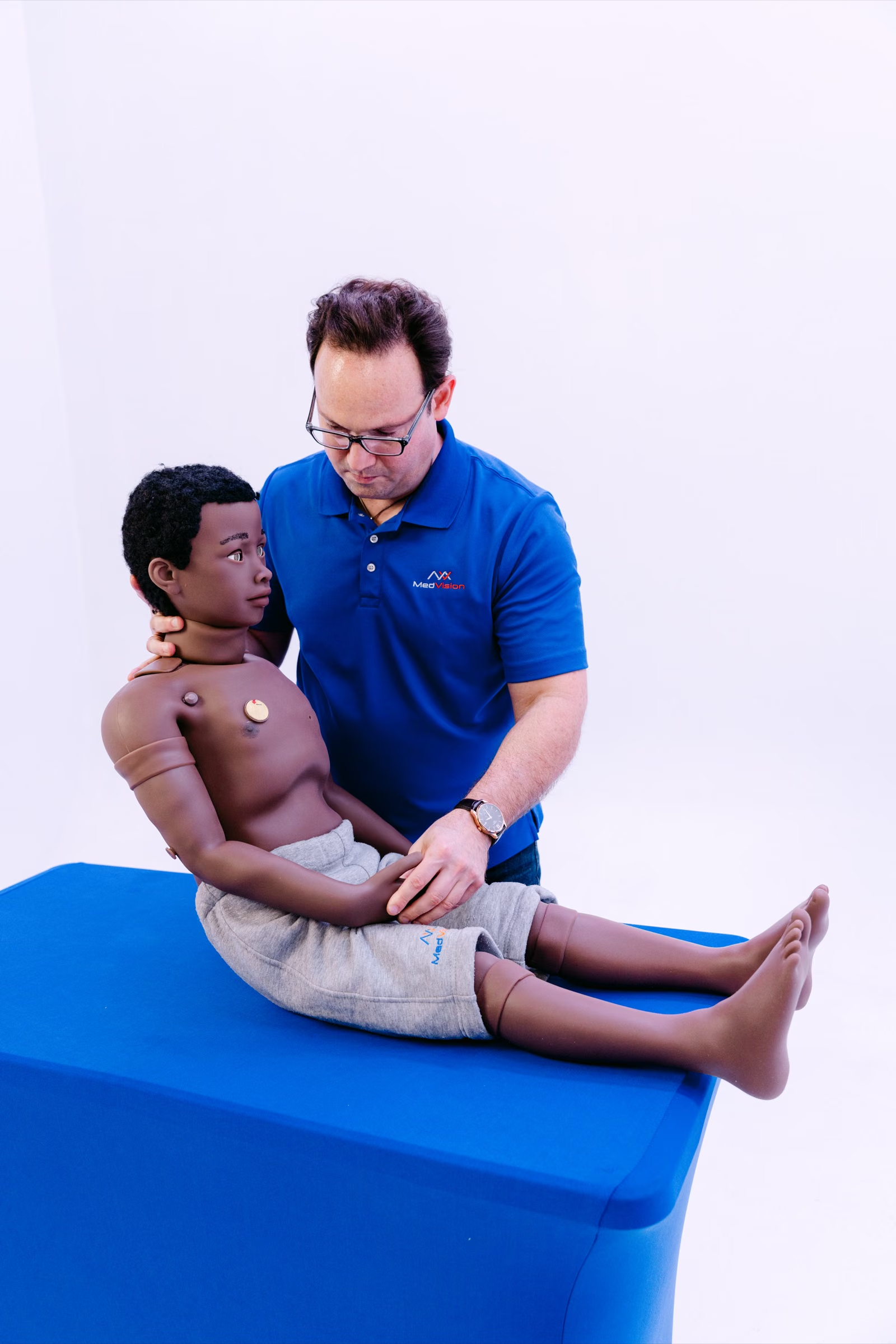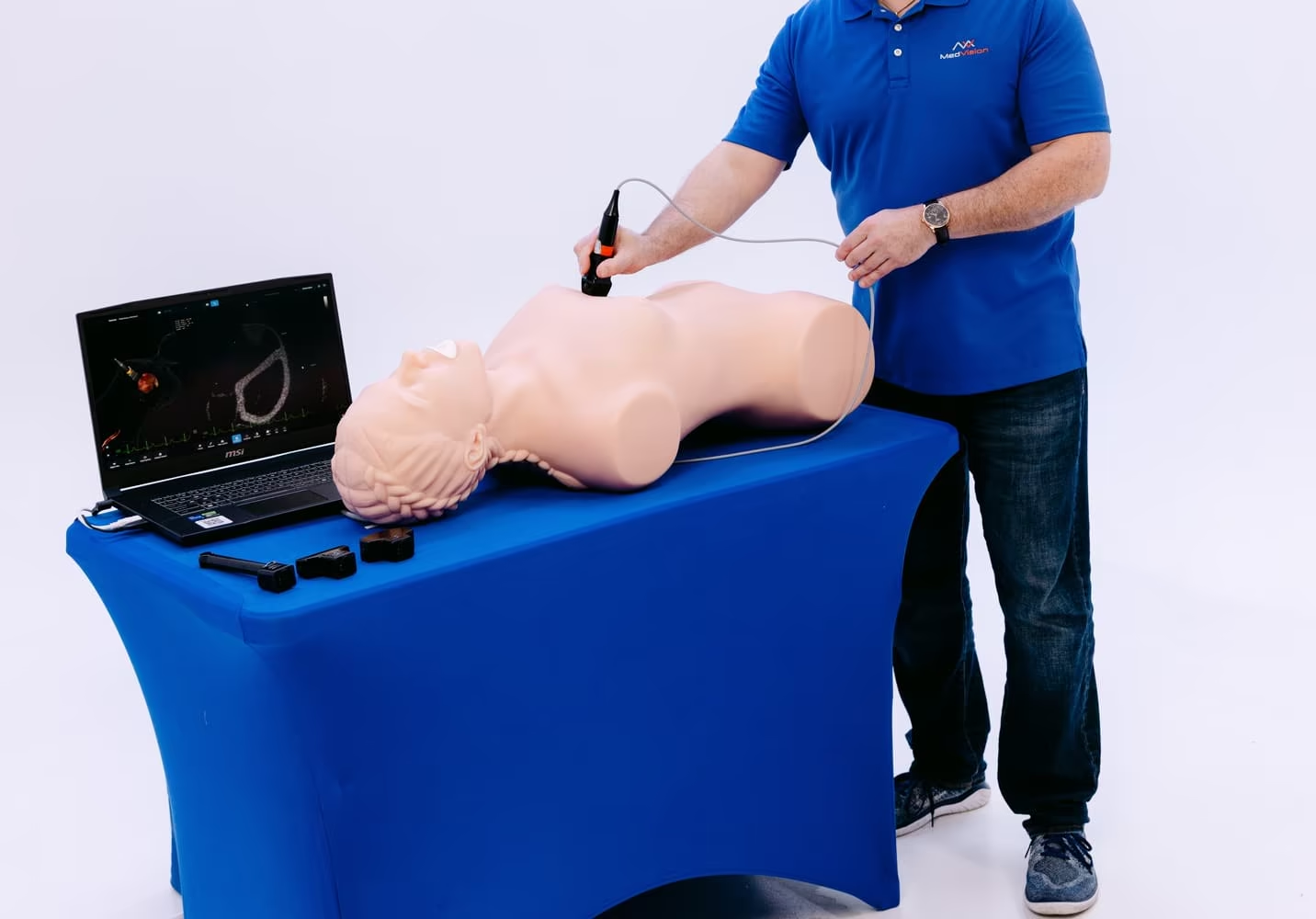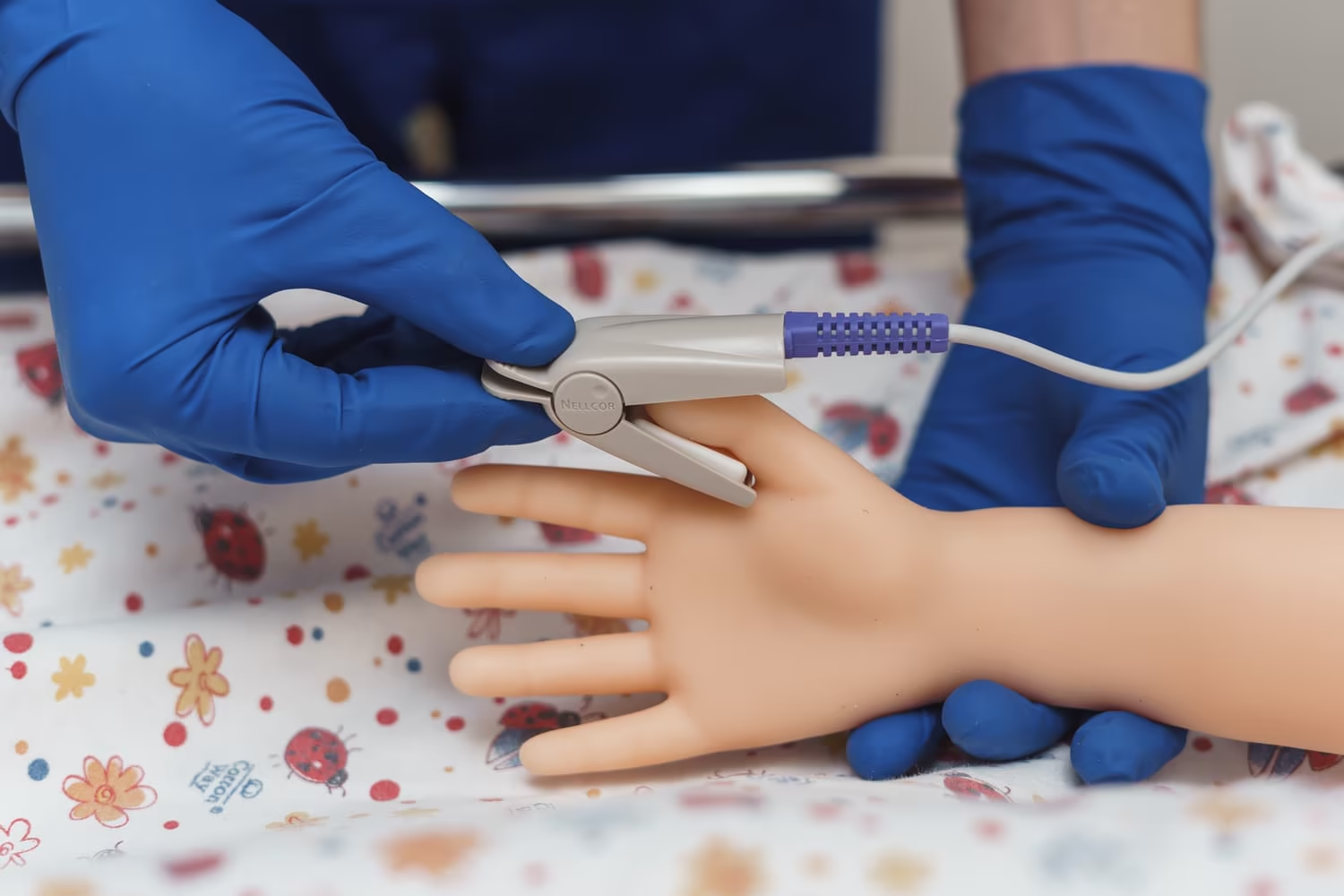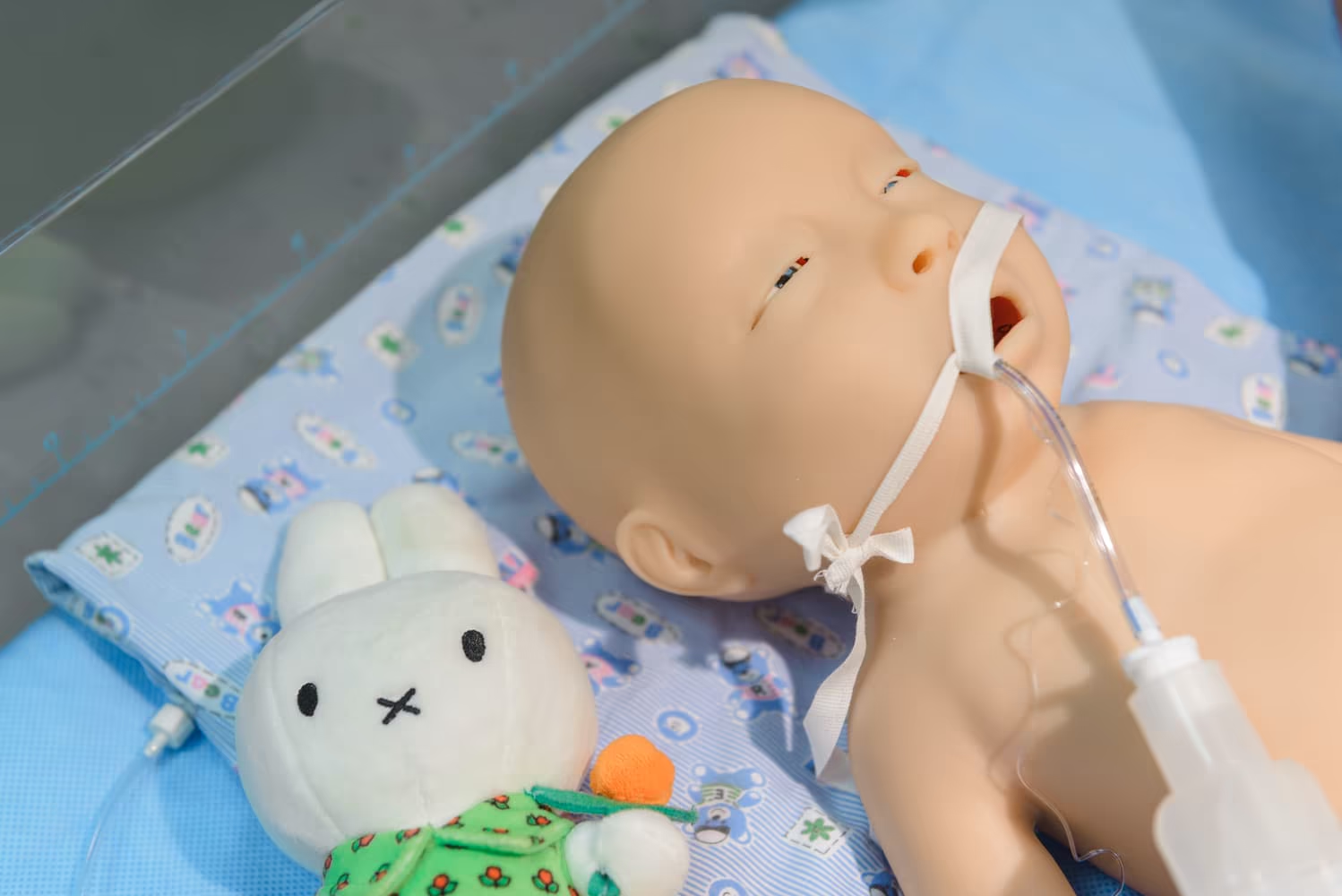
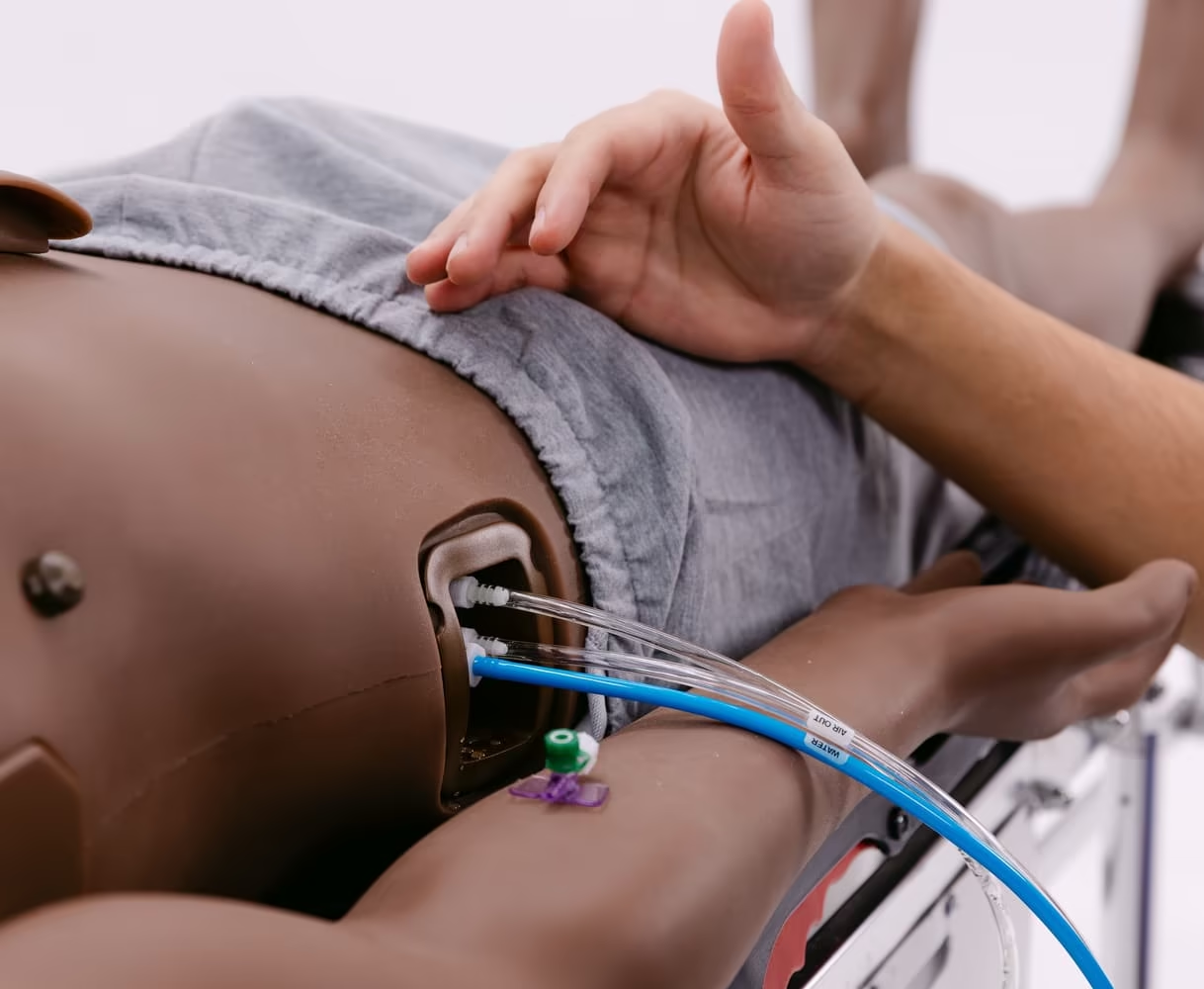
The medical simulation equipment lifespan is the projected time frame during which simulation technology operates effectively for educational purposes. For most standard high-fidelity units, this period spans between 5 to 7 years. To guarantee accurate clinical scenarios, organizations must monitor the condition of their educational assets continuously.
Why is the longevity of your equipment so critical? Advanced medical simulation centers heavily rely on these high-fidelity devices to deliver realistic training. If hardware fails unexpectedly, it directly compromises the educational quality and potentially impacts future patient outcomes in real clinical environments.
To navigate this complex topic efficiently, we strongly suggest you read our detailed insights below. This comprehensive guide explores the structural degradation, technological obsolescence, and physical wear that impact overall longevity. Proper maintenance strategies are strictly required for any modern healthcare institution aiming to reduce overhead costs.
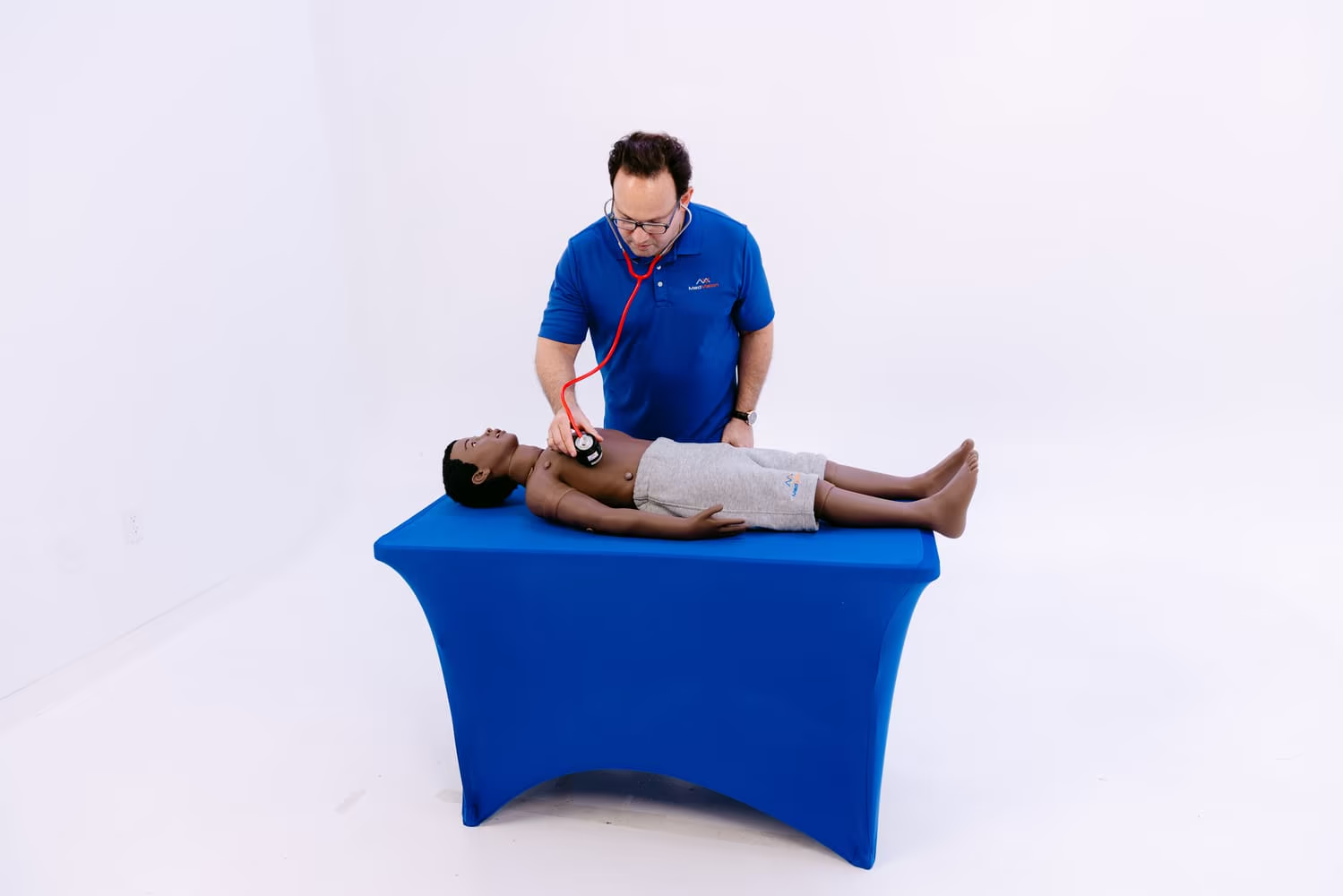
How does daily usage impact medical simulation longevity?
Heavy operational cycles naturally reduce the lifespan of delicate electronics and silicone components. When medical simulation manikins are utilized across multiple daily shifts, their internal sensors degrade much faster. Frequent manipulation of joints, airway structures, and injection pads accelerates material fatigue dramatically over the academic year.
Common factors accelerating equipment wear include:
- Continuous mechanical stress during intensive CPR drills.
- Exposure to improper cleaning chemicals or harsh solvents.
- Dust accumulation in delicate internal processors.
- Frequent transport between different simulation rooms.
A controlled environment helps preserve the equipment over time. Facilities should regulate temperature and humidity levels strictly within their laboratories. Extreme heat or moisture can severely damage internal circuitry, thereby shortening the expected lifespan of expensive machinery. Consistent environmental control acts as a highly effective, passive preservation method.
Calculating the effective lifespan of your simulators
Evaluating the exact longevity requires analyzing both physical wear and software relevance. Most medical simulation administrators utilize a predictive mathematical approach to forecast replacement dates. By quantifying usage hours and technological relevance, one can easily anticipate financial depreciation before critical hardware failures occur.
Here is a practical formula to estimate operational longevity:
EL = BL - (U x 0.1) + (M x 0.5)
Where:
- EL = Effective Lifespan (in years)
- BL = Base longevity (manufacturer average expectation)
- U = Usage frequency (active operating hours per week)
- M = Routine upkeep frequency (professional service sessions per year)
What are the best practices for equipment upkeep?
Implementing a rigorous upkeep protocol is the most reliable way to protect your medical simulation investments. Staff members must undergo comprehensive instruction on handling procedures before interacting with any hardware. Simple mistakes, such as using incorrect fluids in simulated venous systems, frequently destroy internal tubing and require costly repairs.
Timely software updates are just as vital as physical cleaning routines. Many medical simulation manufacturers consistently release patches that optimize sensor sensitivity and add new physiological scenarios. Ignoring these digital upgrades renders the equipment obsolete long before its physical components actually begin to break down or fail completely.

Why should you upgrade your medical simulation technology?
Even with absolutely flawless care, every piece of equipment eventually reaches its technological limit. When older models can no longer support modern diagnostic protocols, their educational value plummets. Continuing to use outdated tech can severely limit the readiness of medical students preparing for fast-paced, highly modernized clinical environments.
Sometimes, the financial cost of repairing an aging unit exceeds the price of buying a modern replacement. Administrators must track total lifespan costs meticulously to avoid financial drains. If an older medical simulation system requires constant troubleshooting, it disrupts classes and wastes valuable instructor time. At this stage, upgrading is the logical choice.
Signs that your equipment needs immediate replacement:
- Replacement parts are no longer manufactured by the creator.
- The software is incompatible with modern operating systems.
- Recurring calibration errors happen during active sessions.
- Visible degradation and tearing of outer skin materials.
How do VR systems differ from traditional equipment?
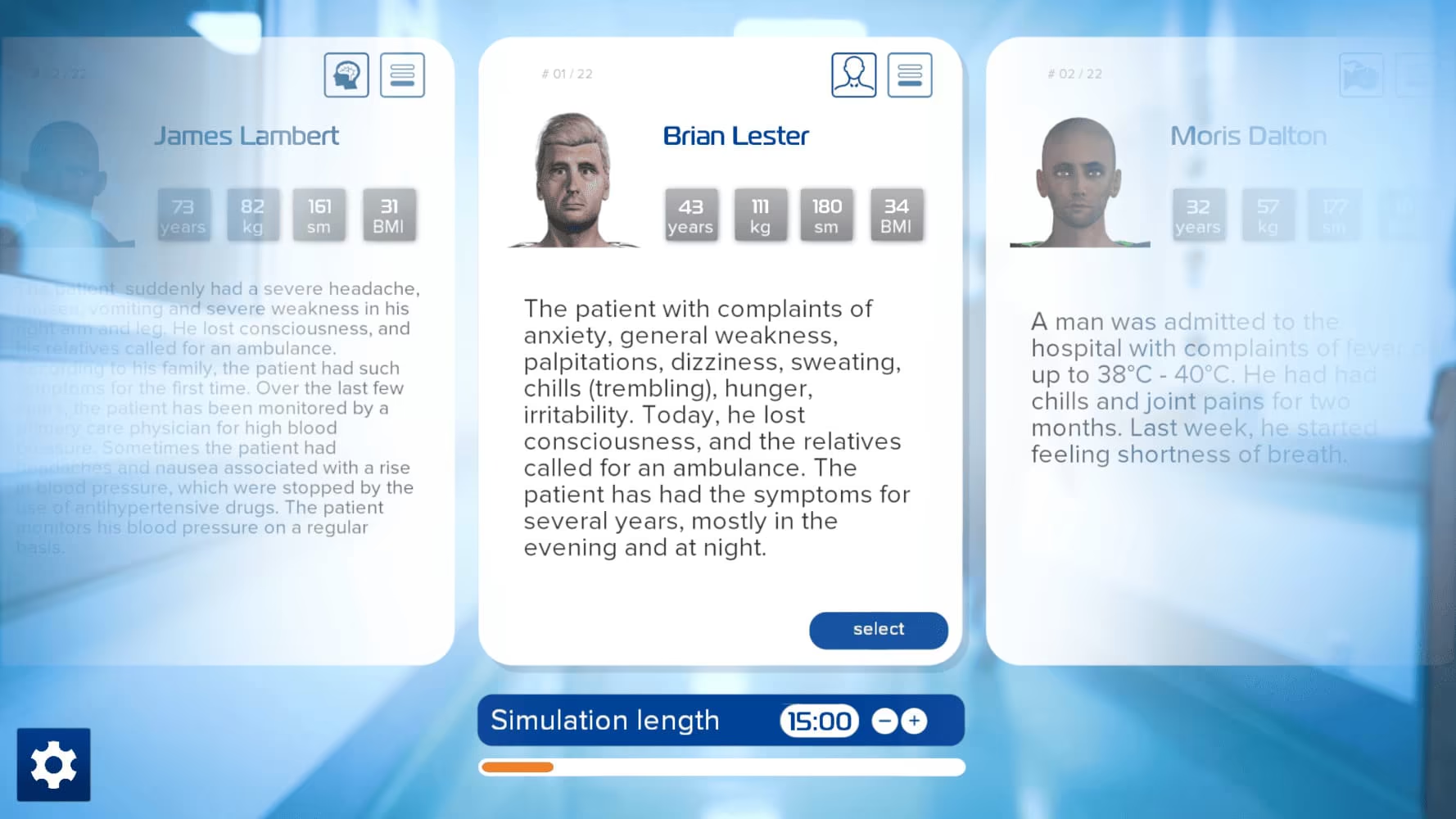
Virtual reality has completely revolutionized the modern medical simulation landscape, offering a completely different wear profile compared to physical manikins. VR headsets and controllers experience different types of mechanical stress. While they lack the complex fluid systems of full-body simulators, their optical lenses and tracking cameras are extremely sensitive.
To maximize the lifespan of VR tools, strict hygiene protocols must be enforced at all times. Sweat and natural oils easily degrade the foam paddings and facial interfaces of headsets. Regular disinfection using UV-C light boxes or specialized wipes is essential to keep the equipment safe and functional for all users throughout the semester.
Software longevity is the primary concern for virtual medical simulation platforms. Unlike physical hardware that physically wears out, VR applications require continuous cloud connectivity and regular graphical updates. If a developer stops supporting an application, the associated hardware essentially becomes useless, despite being physically intact.
Can extended warranties improve medical simulation ROI?
Purchasing an extended warranty directly influences the practical longevity of your financial investment. These agreements usually cover preventive check-ups and emergency repairs by certified factory technicians. Having expert support guarantees that your physical assets are serviced correctly, avoiding amateur repair mistakes that instantly void standard warranties.
Institutions that invest in comprehensive service contracts report significantly fewer unexpected downtimes during critical exams. Knowing that your machinery is protected allows educators to focus entirely on curriculum delivery. Ultimately, a well-structured service plan maximizes the return on investment and ensures a longer, highly productive operational phase.
FAQ
The average longevity of a high-fidelity simulator is between 5 to 10 years. However, this period strictly depends on the frequency of use and the quality of routine care provided by the facility. For industry benchmarks, you can consult authoritative resources like the Society for Simulation in Healthcare.
Yes. If a device cannot run current software updates, its clinical accuracy diminishes rapidly. Even if the external hardware remains pristine, technological obsolescence forces early replacement to maintain modern educational standards.
Attempting unauthorized repairs often causes irreversible damage to delicate internal electronics. It is always recommended to hire certified technicians to maintain and repair your valuable educational assets to prevent warranty voids.
Virtual demo
See it on a real simulator
A MedVision specialist shows the simulator live and answers your questions. Remote setup included · Online Training Included.
Request a virtual demo