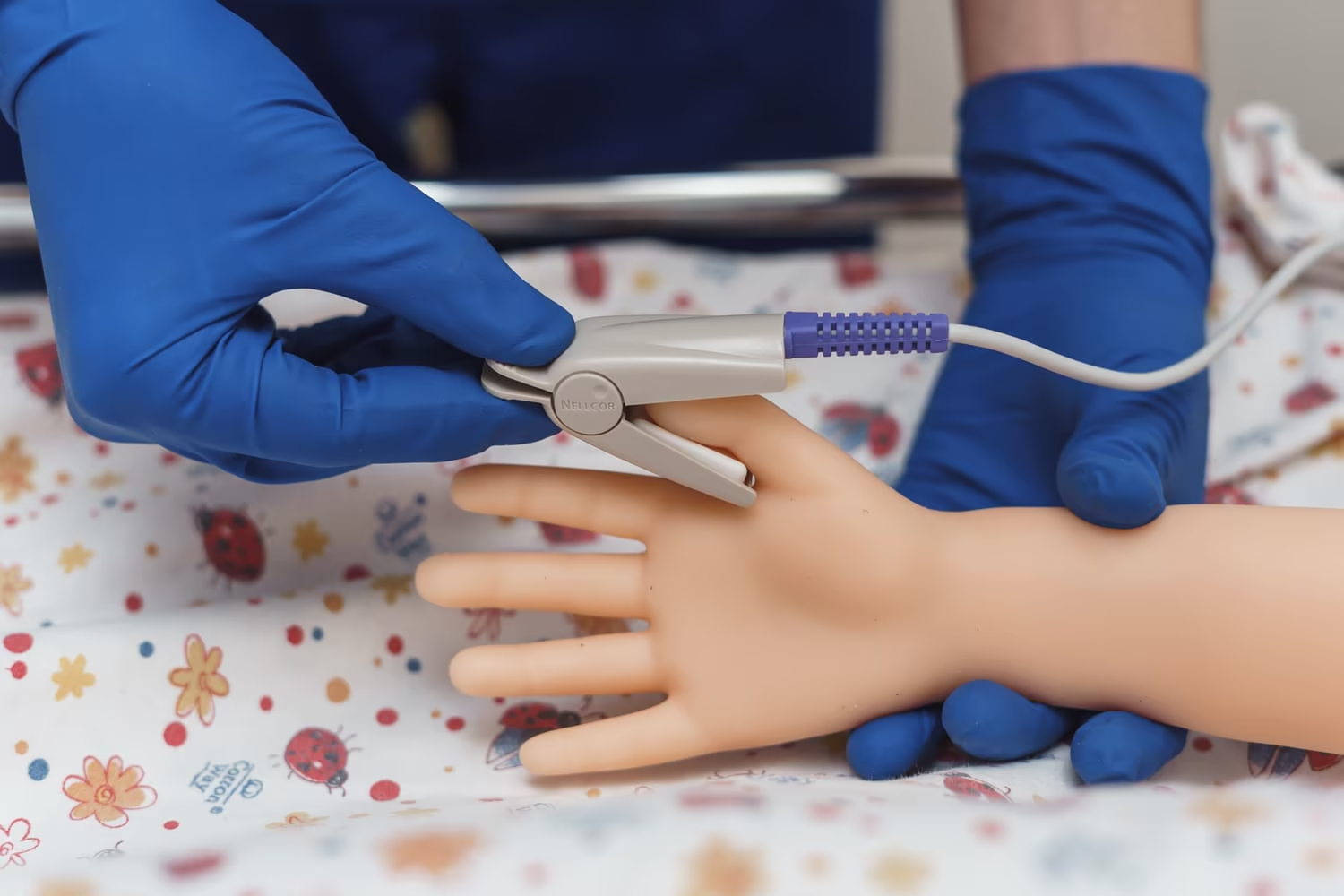
What are healthcare simulation modalities? This term defines the diverse technological and educational methods utilized to replicate real clinical scenarios for training. In modern education, selecting the right tools ensures that practitioners practice safely. These approaches range from simple physical models to highly advanced virtual environments.
Implementing these technologies is absolutely essential for comprehensive clinical preparation. This multi-layered approach is rapidly transforming how institutions deliver practical knowledge in medicine. We highly recommend that you carefully review the benefits these systems offer for long-term skill retention and patient safety.
When structuring a curriculum, administrators must evaluate which device fits their specific goals. The right approach accelerates the acquisition of complex psychomotor skills. Proper utilization of these assets fundamentally changes the landscape of modern medical training worldwide.
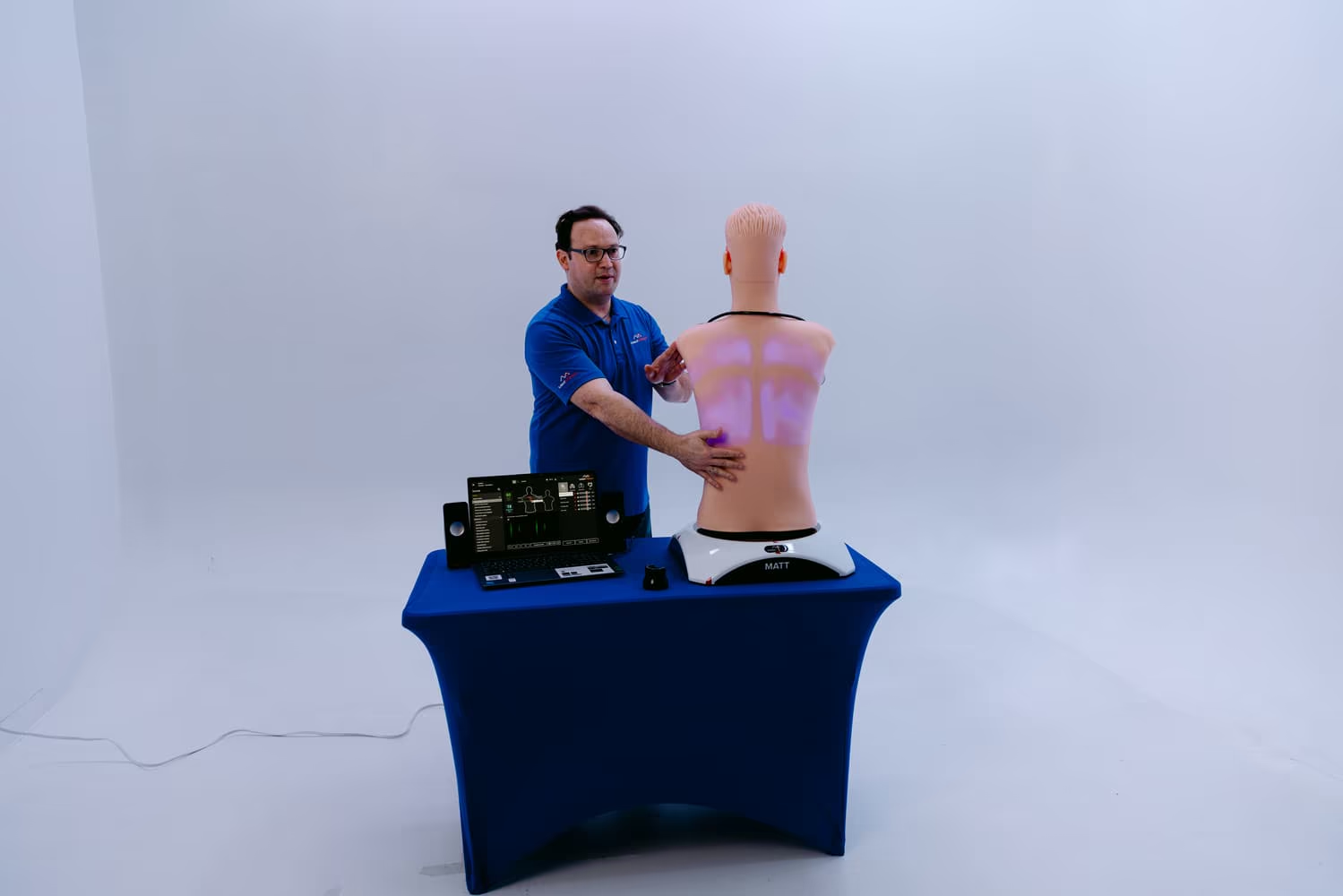
How do programs utilize simulation modalities in medical education to improve outcomes?
Integrating these methods helps bridge the critical gap between academic theory and physical practice. By immersing students in realistic clinical environments, institutions can drastically reduce medical errors. Each distinct simulator addresses a unique cognitive or mechanical learning objective effectively.
In standard healthcare settings, educators frequently combine multiple methods to achieve optimal results. This blended education strategy ensures that learners master both technical procedures and communication. Relying on merely one type of simulation severely limits the overall scope of clinical competency.
Furthermore, continuous practice with a reliable model builds muscle memory for high-stress situations. Evidence-based academic frameworks dictate that repetitive exposure to critical scenarios is vital. This methodology guarantees that professionals are prepared for real-world clinical challenges.
What specific categories do these modalities include?
The traditional spectrum of simulation encompasses several distinct and valuable approaches. Standardized patients (SPs) are highly trained actors who portray specific clinical conditions. This interactive education format excels at teaching empathy, history-taking, and interpersonal communication in healthcare.
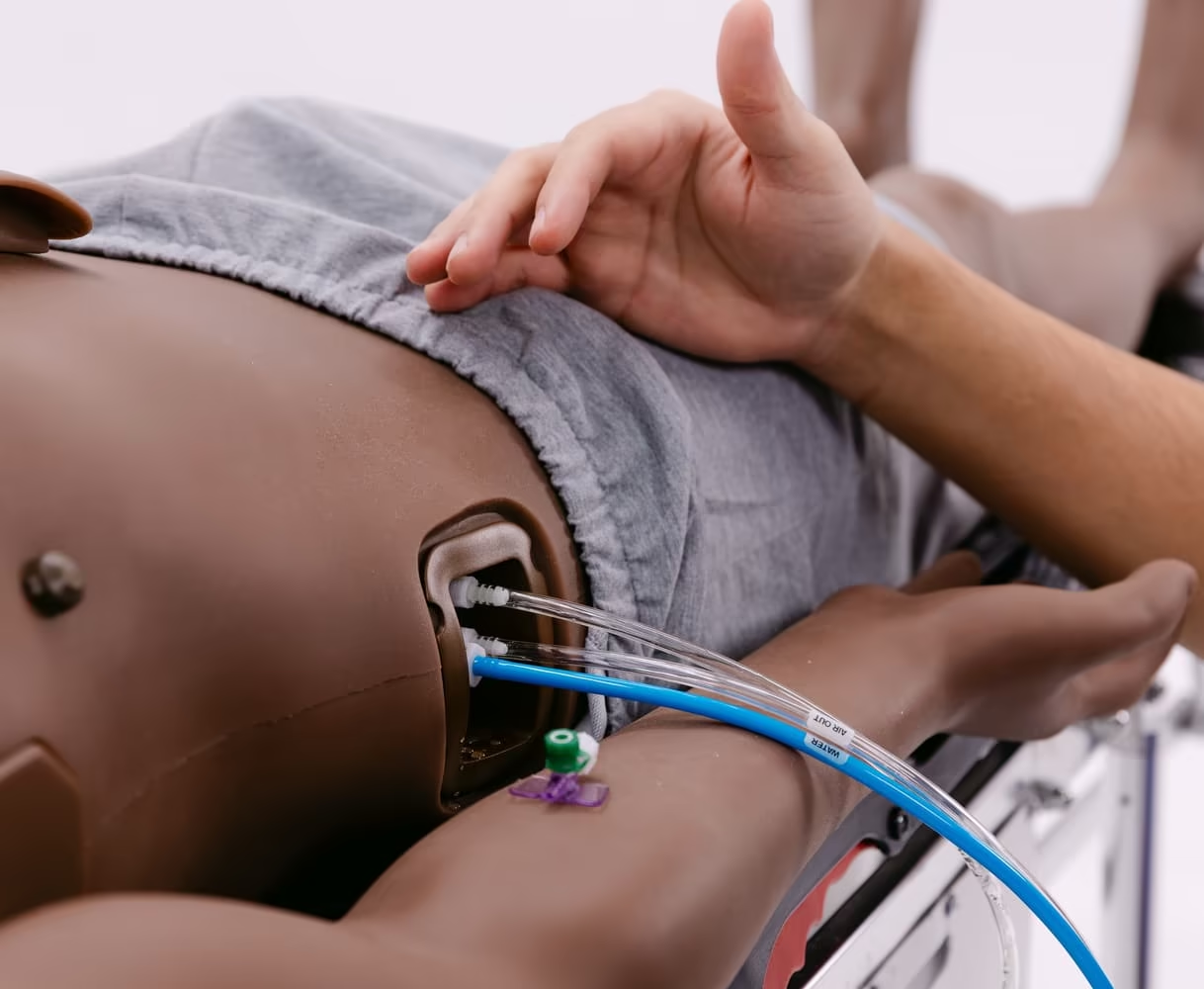
Task trainers represent another fundamental training category utilized across various disciplines. These physical models replicate specific anatomical parts, allowing learners to practice localized procedures safely. A common task trainer might be deployed for IV insertion, providing highly repeatable hands-on experience.
Common examples of specialized tools utilized in modern training facilities include:
- Full-body manikins for comprehensive emergency drills.
- Screen-based software for cognitive skill development.
- Virtual reality systems for immersive clinical scenarios.
- Surgical trainers for precise operative learning.
To better understand the applications, administrators often categorize each device by its primary function. A structured overview helps in selecting the appropriate method for specific curriculum requirements.
How do healthcare simulation modalities improve financial ROI?
While the initial purchase of an advanced simulator requires significant capital, the long-term financial benefits are undeniable. Implementing these modalities reduces the immense costs associated with clinical errors and malpractice in standard healthcare. Furthermore, standardized education programs allow institutions to train larger cohorts of students simultaneously, maximizing the utility of every teaching hour.
By shifting preliminary practice away from real human patients, hospitals conserve valuable disposable resources. Traditional medicine relies heavily on single-use items during live training, which quickly drains departmental budgets. Modern simulation tools, especially virtual ones, include reset features that eliminate these recurring material expenses entirely.
This financial efficiency is actively transforming how university administrators allocate their annual budgets. Investing in a robust simulation infrastructure is no longer seen as a luxury, but as a mandatory foundation for sustainable medical education.
Why are high-fidelity modalities so crucial today?
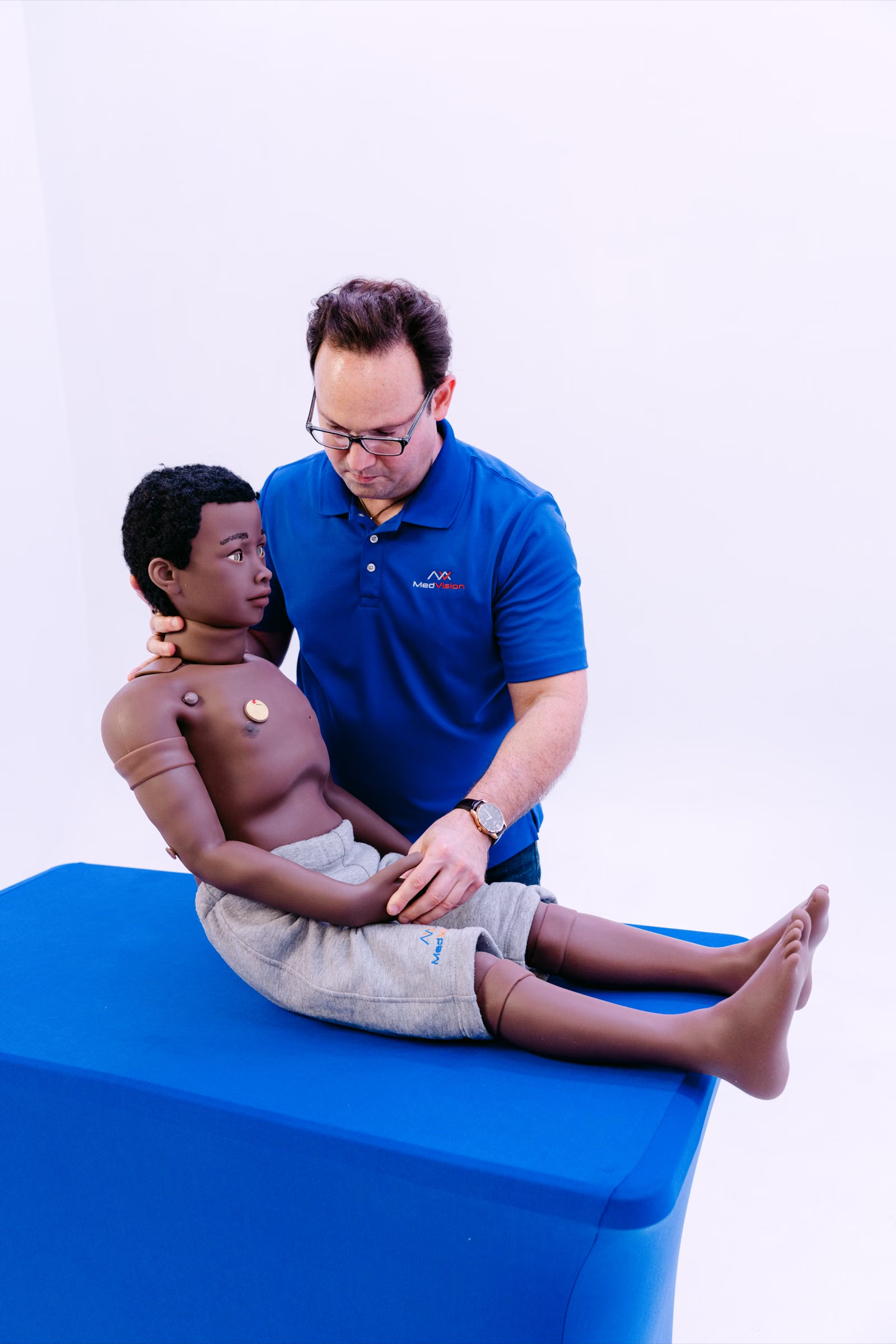
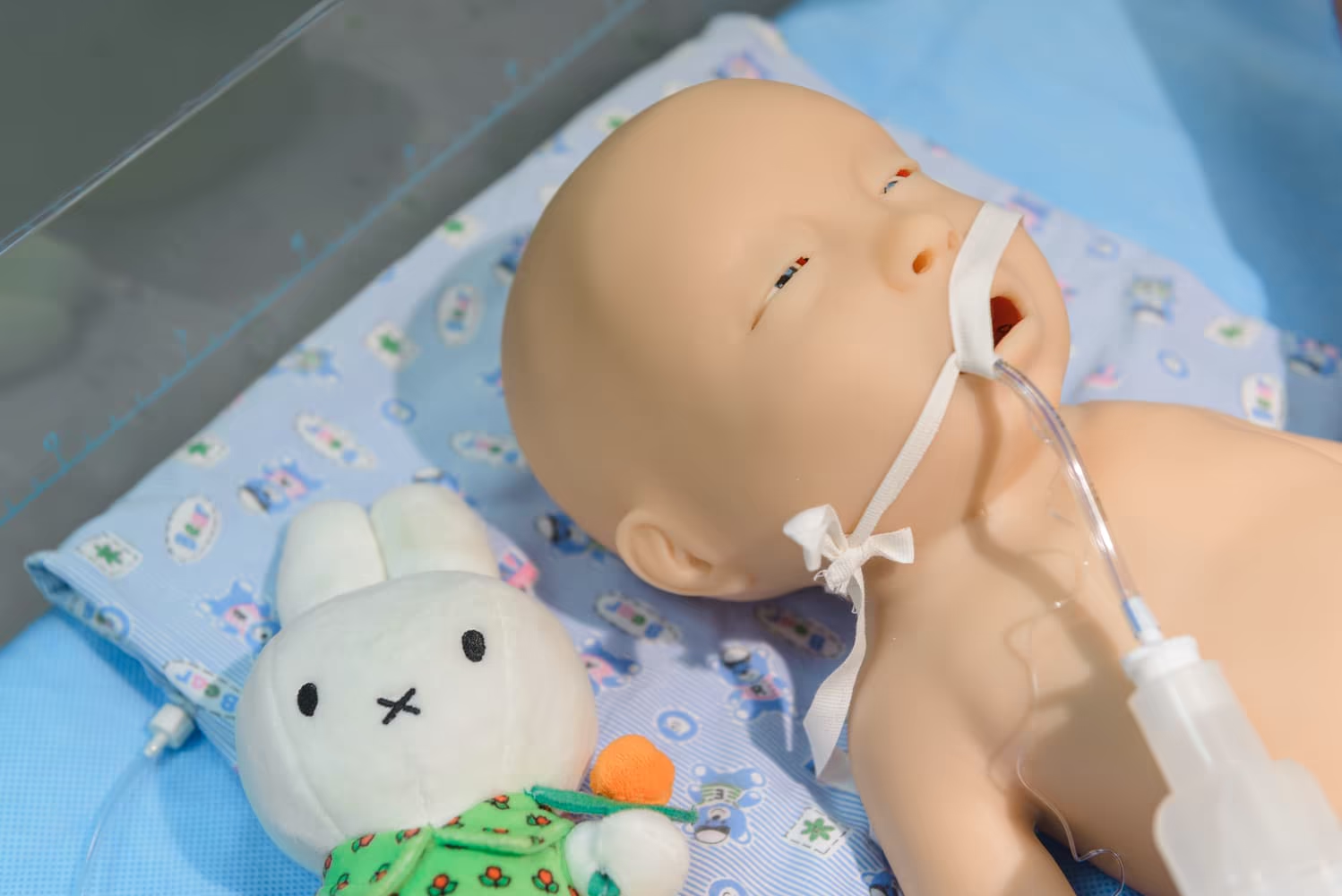
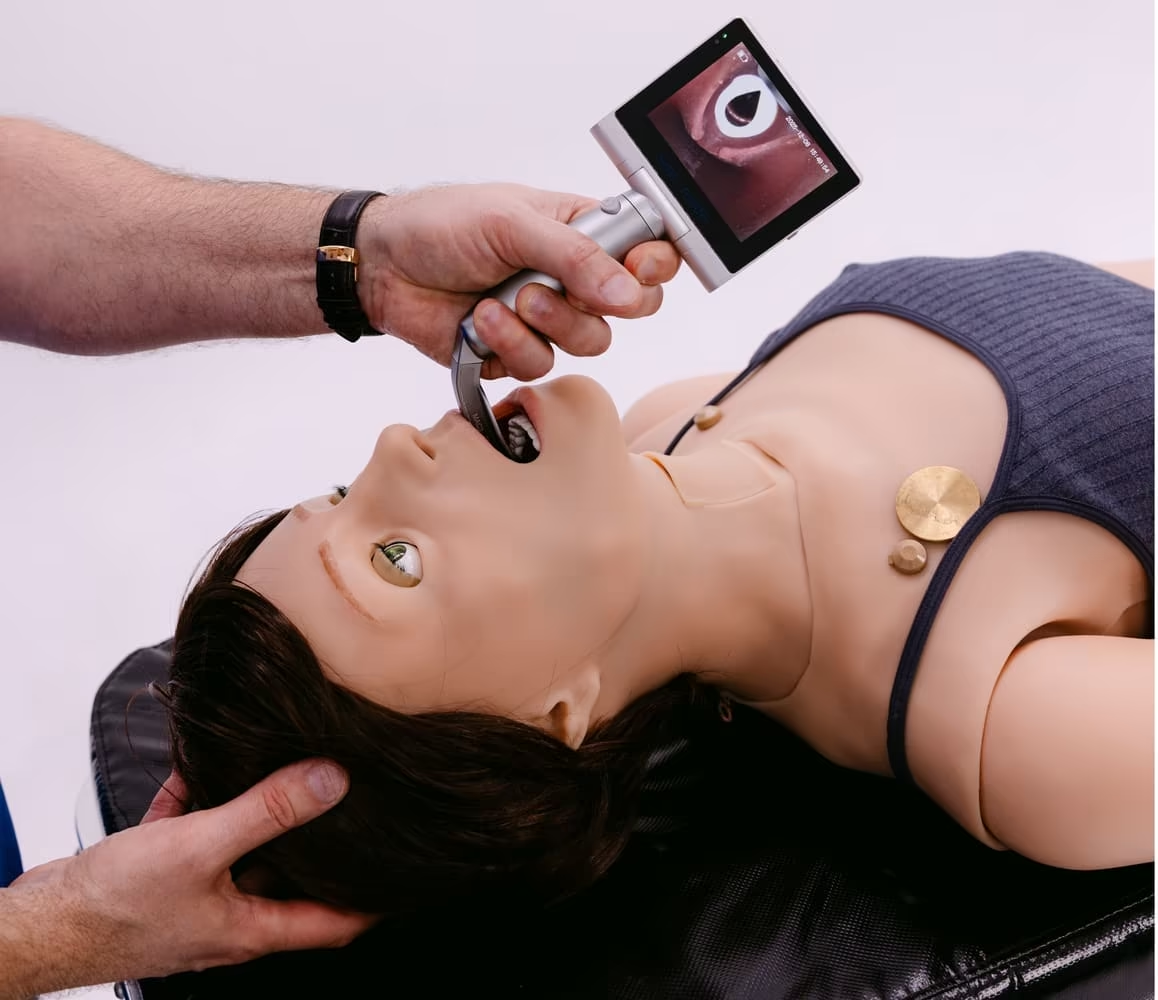
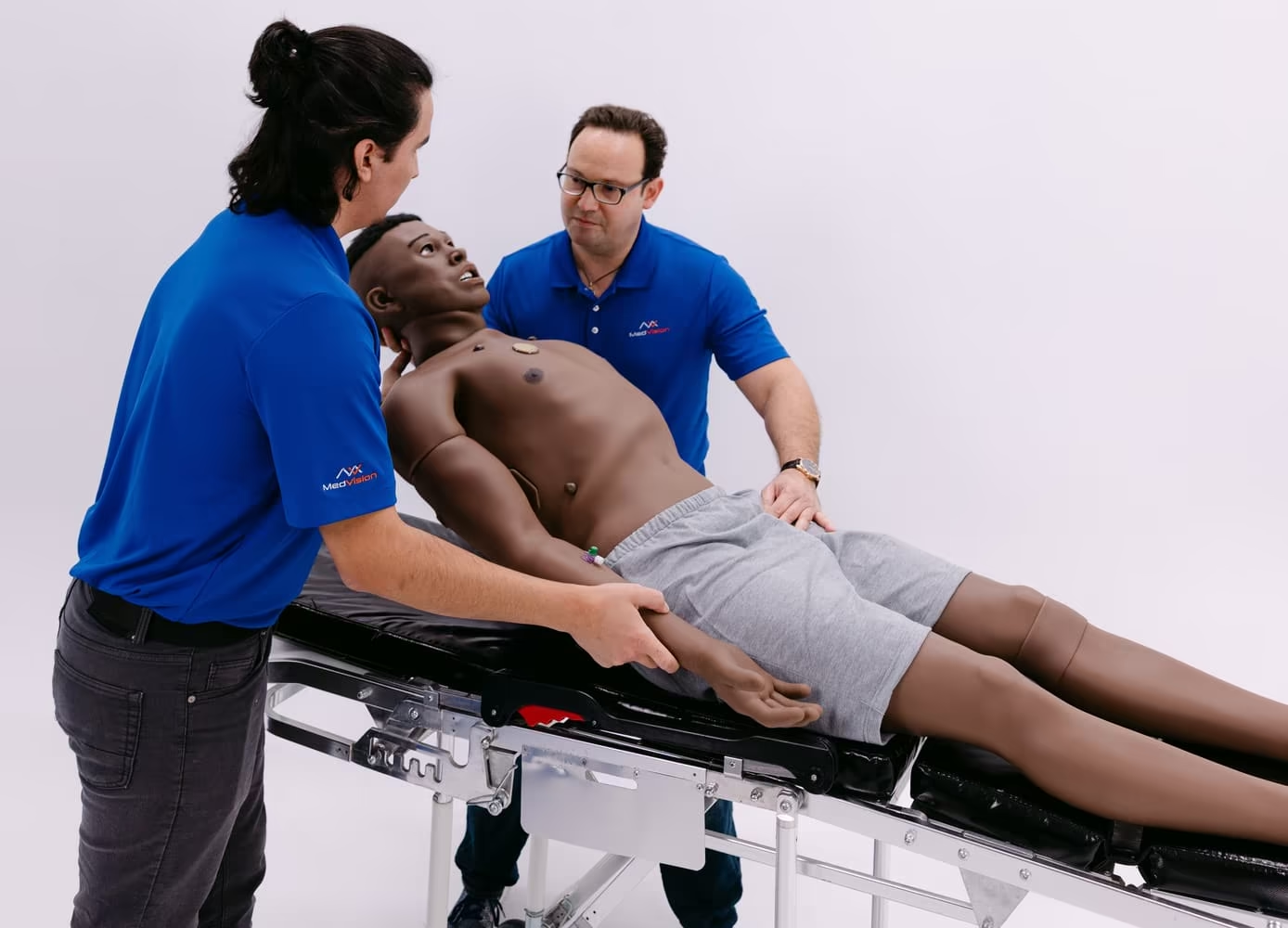
High-fidelity simulation involves advanced full-body manikins that closely mimic real human physiological responses. These highly sophisticated modalities can breathe, exhibit pulse rates, and react dynamically to treatments. This extreme realism is strictly required for advanced emergency training programs.
When utilizing a high-fidelity manikin, instructors can alter a patient's vital signs instantaneously. If students execute an incorrect clinical decision, the manikin's condition will demonstrably deteriorate. This immediate feedback loop is among the most significant benefits in modern medical training.
Operating these complex systems requires dedicated space and specialized education for the faculty. A well-maintained unit provides an unparalleled level of clinical authenticity for interprofessional teams. Ultimately, immersive simulation bridges the gap between classroom theory and real hospital wards.
Are simulation modalities in medical education different for various specialties?
Yes, the choice of a specific simulator depends entirely on the specialized field of medicine. Nursing students, for example, often utilize partial task trainers to master essential skills like catheter insertion or phlebotomy. These targeted modalities provide the exact tactile repetition necessary to build confidence before interacting with real individuals in healthcare settings.
Conversely, surgical residents require highly intricate environments to refine their operative techniques safely. They frequently rely on advanced laparoscopic virtual reality systems that replicate the precise resistance of human tissue. This specialized education ensures that surgeons can navigate complex anatomical structures without jeopardizing patient safety during actual procedures.
Emergency responders utilize yet another distinct set of simulation tools, focusing heavily on mobile, rugged trauma manikins. These adaptable systems include features that allow instructors to run high-stress scenarios outdoors or in confined spaces, transforming standard learning into dynamic, field-ready preparation.
How is digital technology transforming virtual simulation?
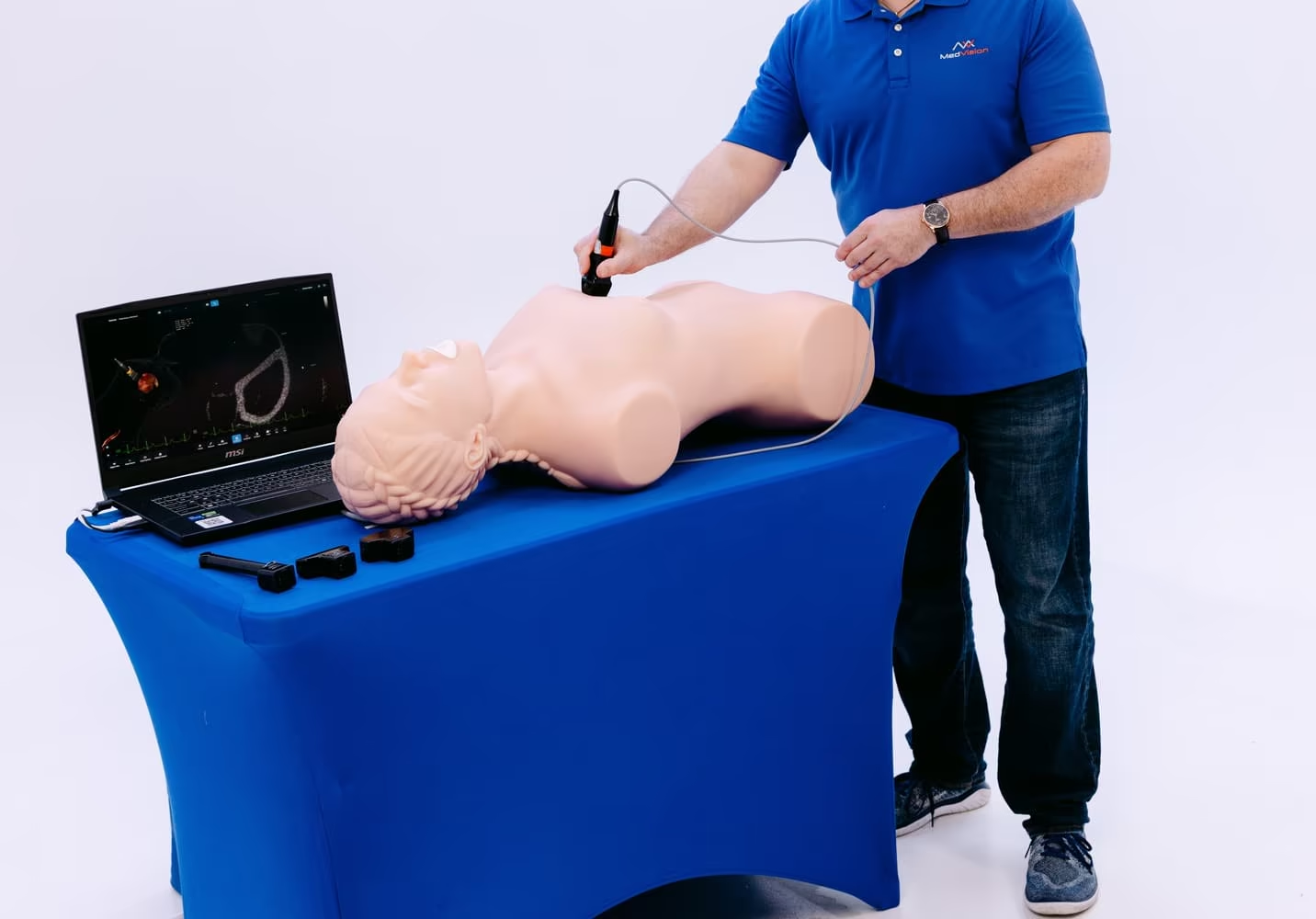
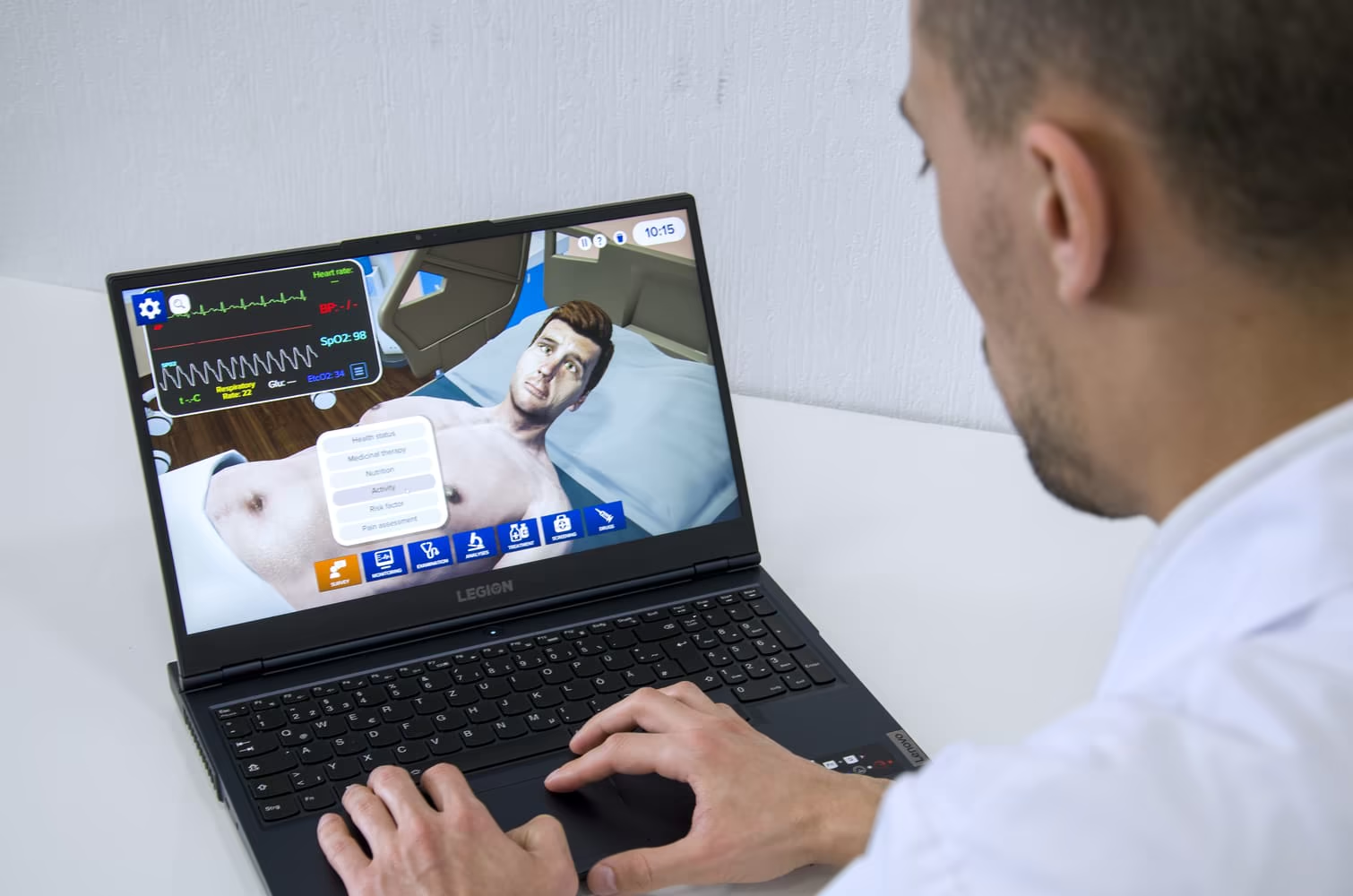
Screen-based and virtual reality modalities are rapidly gaining tremendous prominence in medical universities. These advanced digital environments permit users to navigate complex scenarios using intuitive computer interfaces. Virtual learning platforms provide scalable, highly accessible training without physical borders.
Virtual simulation uniquely excels at developing critical thinking and diagnostic reasoning skills. A sophisticated digital program can generate incredibly rare clinical cases that students might never encounter otherwise. This broad exposure is absolutely vital for comprehensive healthcare preparation.
By integrating virtual systems into the curriculum, institutions create highly engaging learning experiences. The exceptional visual depth provided by these tools dramatically accelerates the comprehension of spatial anatomy. Such ongoing innovations continuously redefine the boundaries of clinical medicine.
What factors maximize training efficiency in healthcare?
Successful integration demands matching the correct modalities directly to specific academic objectives. A meticulously designed education curriculum avoids relying solely on the most expensive piece of technology. Instead, it deploys the exact tool that aligns best with the desired clinical competency outcomes.
Evaluating the effectiveness of different methods involves analyzing the reduction of clinical errors over time. Research published in reputable databases like PubMed consistently demonstrates that simulation-based learning enhances patient safety. Quality education saves lives.
How do educators evaluate students using a clinical simulator?
The true power of any simulation lies in the debriefing and evaluation process that follows the active scenario. Modern healthcare programs utilize built-in recording systems to capture every action taken by the students during the exercise. This comprehensive video and data capture is one of the most critical benefits of digital education platforms.
Evaluating competency through these modalities ensures a strictly objective assessment of clinical readiness. Instead of relying on subjective observation, educators can measure exact response times and diagnostic accuracy generated by the simulator. This data-driven approach guarantees that only fully prepared individuals advance to real healthcare environments.
Can hybrid modalities improve interprofessional education?
Hybrid simulation intentionally combines two or more traditional training methods simultaneously to maximize scenario realism. For instance, pairing a standardized patient with a task trainer produces a deeply engaging environment. This specific approach enables students to practice communication alongside technical skills.
Interprofessional education explicitly focuses on training diverse clinical disciplines collaboratively as a cohesive team. Utilizing mixed systems empowers nurses, physicians, and specialists to interact effectively during crises. Team-centric simulation dramatically minimizes communication failures in healthcare.
The seamless integration of hybrid modalities truly represents the pinnacle of modern medical education. By connecting authentic human interaction with precise procedural mechanics, facilities deliver a profound learning experience. These integrated techniques continuously elevate the universal standard of medicine.
Will artificial intelligence redefine simulation in medicine?
The integration of artificial intelligence is currently transforming the baseline capabilities of every modern simulator. AI algorithms can dynamically alter patient responses based on the ongoing decisions made by students. This means that no two training scenarios are ever exactly alike, providing endless variations for continuous education.
These intelligent modalities also include automated assessment features that instantly generate comprehensive performance reports. By reducing the administrative burden on instructors, faculty members can dedicate more time to personalized mentorship. Ultimately, the fusion of AI and medical education will continuously elevate the global standards of patient care.
FAQ
The main categories include standardized patients, physical task trainers, high-fidelity robotic manikins, screen-based software, and virtual reality. Each specific type serves a distinct role within modern medical education, offering unique benefits for different practitioner skill levels.
Combining various modalities ensures comprehensive, well-rounded skill development. While a basic simulator teaches manual dexterity, virtual platforms enhance cognitive decision-making. This holistic education strategy perfectly prepares learners for unpredictable, real-world healthcare environments.
Virtual reality offers unparalleled scalability and visual learning opportunities without requiring vast physical space. However, it currently lacks the tactile feedback of physical modalities. Optimal education programs deploy VR alongside a traditional simulator to maximize overall clinical readiness in medicine.
Virtual demo
See it on a real simulator
A MedVision specialist shows the simulator live and answers your questions. Remote setup included · Online Training Included.
Request a virtual demo