
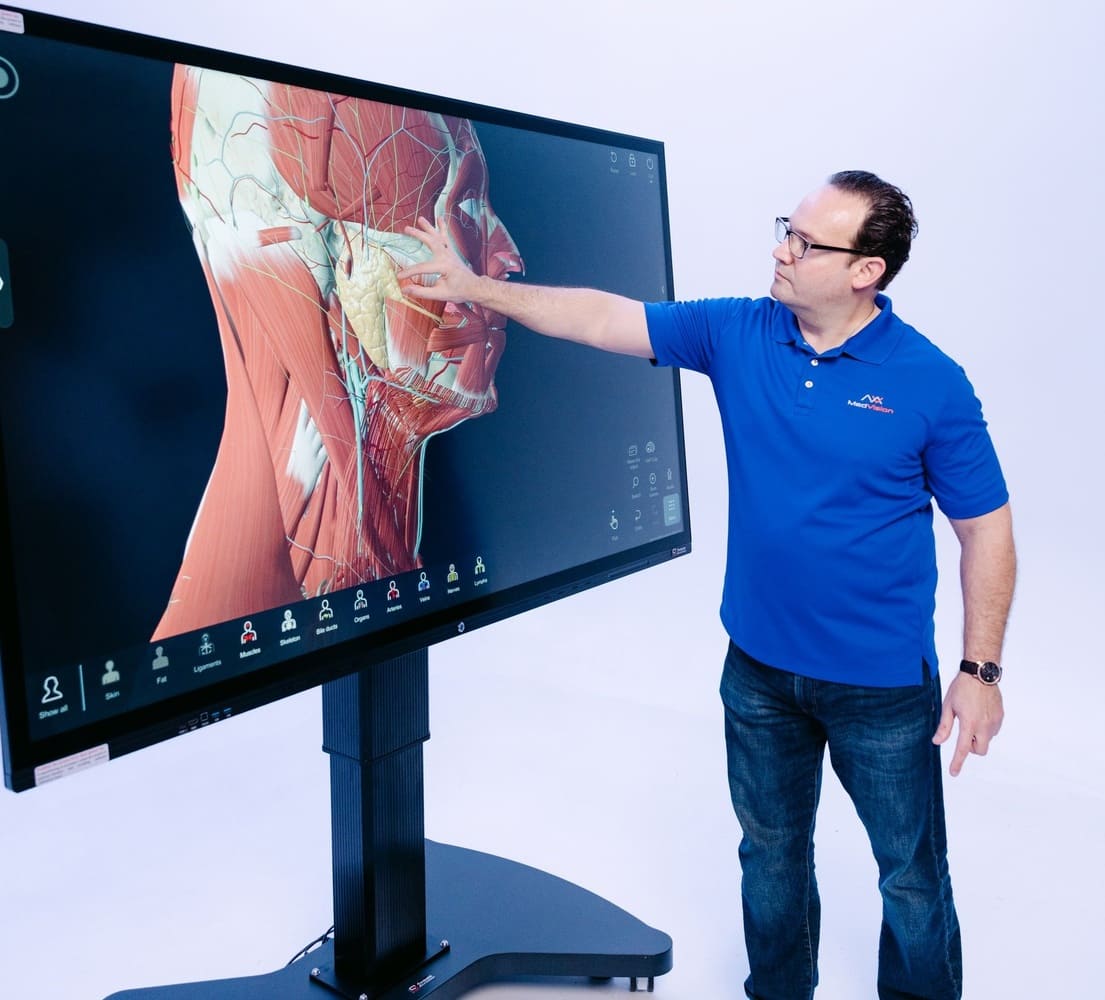
The Comprehensive Guide to the Types of Simulation in Healthcare Education
For decades, the medical field relied on an apprenticeship model to teach clinical competency. However, the modern emphasis on patient safety has fundamentally transformed how a practitioner acquires a new skill. Today, entering a clinical environment without prior hands-on preparation is no longer acceptable. Understanding the diverse types of simulation in healthcare education is essential for institutions aiming to produce competent, confident, and safe medical professionals. By replicating clinical scenarios in a controlled setting, educators can target every specific skill a learner needs - from basic motor function to complex team leadership - without risking patient well-being.
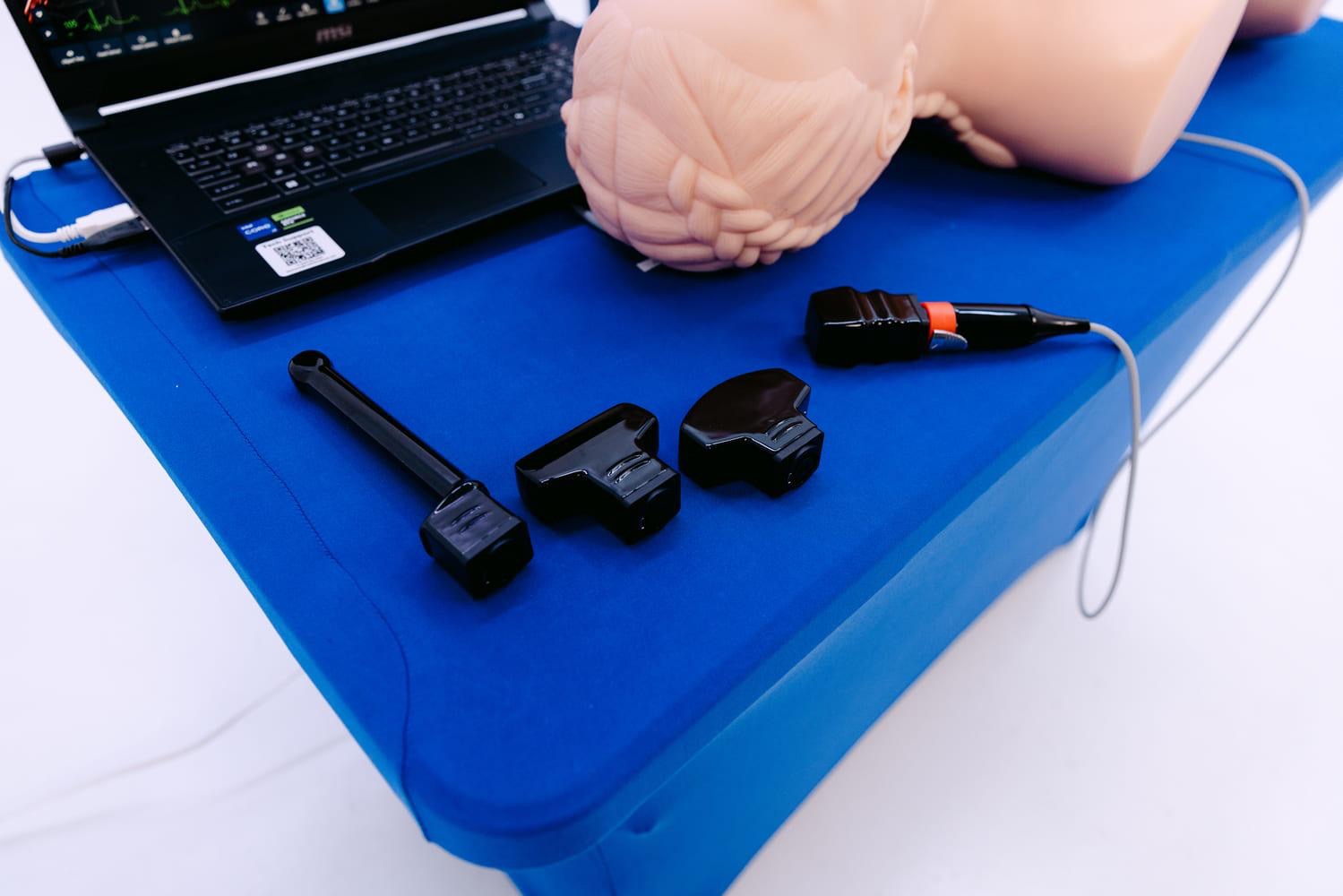
The Spectrum of Simulation-Based Learning
The transition from a novice to an expert requires the acquisition of multiple skill sets. To facilitate this, the industry has developed various types of medical simulators, each designed to target a specific cognitive, psychomotor, or communication skill. The effectiveness of any training program relies heavily on selecting the appropriate level of fidelity - the degree to which the simulation accurately replicates reality.
Fidelity is not just about technological sophistication; it is about how well the tool supports skill development. A low-fidelity tool might be perfect for learning a repetitive mechanical skill, while a high-fidelity environment is necessary for developing a dynamic decision-making skill during a crisis. By utilizing a multi-modal approach, healthcare education programs ensure that no single skill is left underdeveloped.
Fundamental Part-Task Trainers
When a learner first encounters a new procedural technique, overwhelming them with a full clinical scenario is counterproductive. Part-task trainers are anatomical models designed to isolate a specific physical maneuver.
For example, an intravenous (IV) arm model allows a nursing student to practice the exact motor functions required for venipuncture. On these models, learners can repeat the procedure dozens of times, refining their tactile feedback, precise needle placement, and spatial awareness. Whether it is a synthetic pelvis for practicing catheterization or a foam model for suturing, these foundational tools are indispensable. They transition the learner’s cognitive focus from "how do I hold this instrument?" to "how do I perfect this technique?", solidifying foundational psychomotor proficiency before the trainee ever touches a live patient.
High-Fidelity Manikins and Full-Body Systems
To elevate a learner’s ability to manage complex, whole-body physiological responses, institutions utilize high-fidelity full-body systems. These sophisticated platforms represent the most technologically advanced types of patient simulators available today.
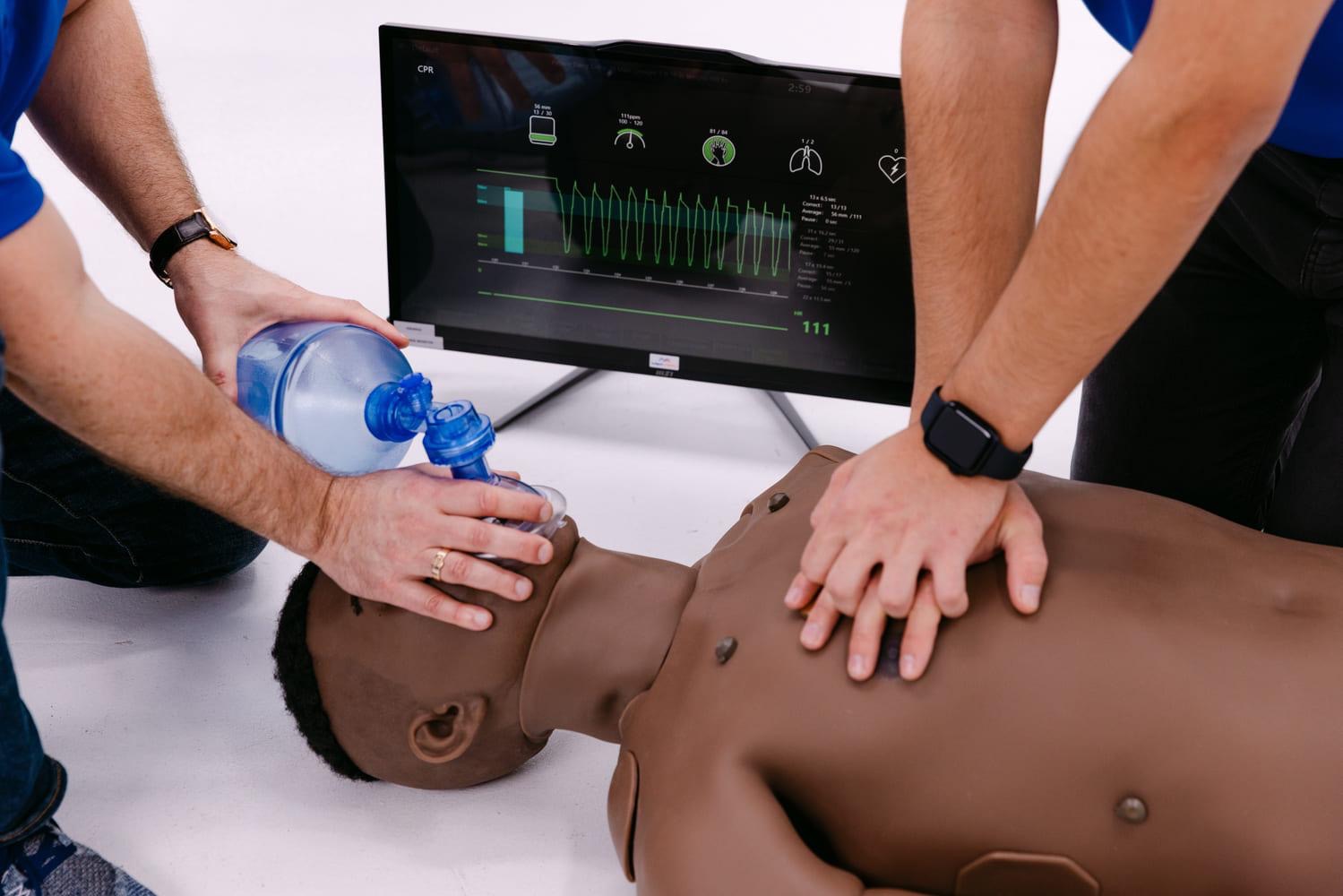
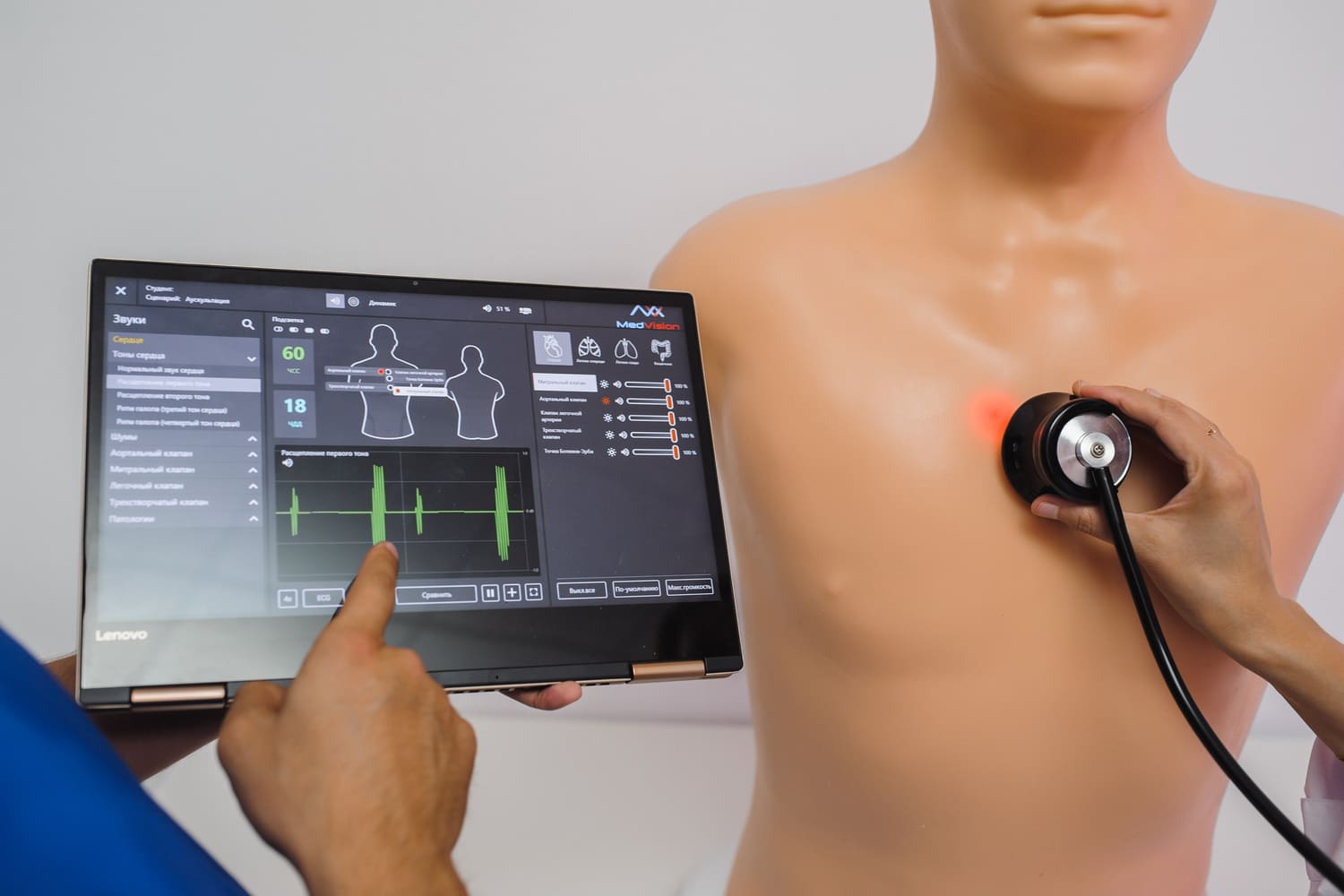
A modern high-fidelity manikin can breathe, produce heart sounds, exhibit pupillary responses, and even react to administered medications in real-time. This level of simulation is critical for developing high-level diagnostic acumen and rapid intervention capabilities. When a manikin goes into sudden cardiac arrest, the medical team must immediately deploy resuscitation protocols, advanced airway management, and precise defibrillation techniques.
Furthermore, these environments are paramount for teaching non-technical competencies. Crisis resource management relies heavily on clear communication, strong leadership, and effective delegation. By placing teams in a high-stress simulated environment, educators can evaluate not just an individual's clinical execution, but the collective teamwork necessary to save a patient’s life.
Standardized Patients (SPs)
While technology excels at replicating human physiology, it cannot yet replicate the nuances of human emotion and complex interpersonal dialogue. This is where the standardized patient program becomes vital. A standardized patient is a highly trained actor who simulates a specific medical condition, history, or emotional state.
This modality is the gold standard for teaching a bedside communication skill, a history-taking skill, and a physical examination skill. Interacting with a real human allows learners to practice an empathy skill, a conflict resolution skill, and the delicate skill of delivering bad news. A standardized patient can provide immediate, constructive feedback on the learner’s non-verbal communication skill - an invaluable asset that no mechanical simulator can offer. In psychiatry, primary care, and specialized nursing, the diagnostic skill developed through SP interactions is just as critical as any technical surgical skill.
Types of Patient Simulators in Nursing and Allied Health
The scope of simulation extends far beyond the surgical suite. In nursing education, building a comprehensive patient assessment skill is the cornerstone of the curriculum. Nursing programs utilize a combination of modalities to build a holistic care skill.
A mid-fidelity simulator might be used to teach an auscultation skill (listening to heart and lung sounds), while a dedicated obstetrics simulator helps develop the precise clinical skill required for labor and delivery management. These specialized training models ensure that nurses develop a critical thinking skill that allows them to recognize subtle changes in a patient's condition before a catastrophic failure occurs. The ability to prioritize tasks is a vital nursing skill that is best honed in a simulated ward, where educators can manipulate the workload to test a student's time-management skill and triaging skill.
The Role of Objective Assessment in Competency Validation
In traditional medical training, assessing clinical competence was often subjective, relying heavily on the observational bias of a senior physician. Today, the various types of medical simulators allow for highly objective, metric-based assessment. When a trainee performs a procedure on a virtual reality simulator, the computer engine tracks every micro-movement. It accurately measures the exact angle of an incision, the force applied during delicate tissue-handling techniques, and the overall time to completion.
This data-driven approach removes the guesswork from healthcare education. Before a student is allowed to interact with a real patient, they must achieve predefined benchmarks. This proficiency-based training paradigm ensures that acquiring medical expertise is not determined by the number of hours spent in a lab, but by demonstrated, undeniable competence. Furthermore, a high-fidelity simulator can record continuous physiological data during a simulated crisis. This allows educators to review exactly how quickly a learner deployed life-saving interventions or applied critical thinking. During the debriefing phase, this objective data is invaluable. It transforms a generic critique into a targeted action plan, helping the learner refine their technical abilities and cognitive proficiency simultaneously.
Interprofessional Education and Team-Based Dynamics
Another transformative application of modern simulation is its role in interprofessional education (IPE). Healthcare is inherently a team effort. A surgeon, an anesthesiologist, and a nursing professional must operate with perfect synergy to ensure patient safety. Historically, these disciplines developed their specific clinical capabilities in isolated silos. A modern simulator bridges this dangerous gap by bringing diverse professionals together in a shared, high-pressure environment.
Using a full-body manikin or a standardized patient, a multidisciplinary team can run through a complex scenario, such as a trauma resuscitation or a complicated emergency delivery. In these environments, the focus intentionally shifts from individual procedural execution to collective team management. Participants learn to communicate effectively, share mental models, and exercise effective delegation under extreme pressure. For nursing students, collaborating directly with medical residents in a simulated emergency builds vital confidence and strong patient advocacy. This collaborative training environment perfectly mirrors the chaotic reality of an intensive care unit. It ensures that when the medical team faces a real clinical crisis, their collaborative communication is just as refined as their individual surgical or diagnostic expertise. Ultimately, the goal of incorporating diverse types of simulation in healthcare education is to mold a group of individual experts into an unstoppable expert team.

Conclusion
The landscape of medical education has been irrevocably changed by the advancement of simulation technologies. By embracing the various types of simulation in healthcare education, institutions can guarantee a standard of excellence that the traditional apprenticeship model could never ensure. From a basic part-task trainer that builds an isolated motor skill to a high-fidelity manikin that tests a complex team coordination skill, every tool plays a vital role. As technology continues to evolve, the integration of simulation-based learning will remain the most critical factor in developing every essential clinical skill, ultimately leading to safer, more effective patient care across the globe.
References
- Gaba, D. M. (2004). The future vision of simulation in health care. Quality and Safety in Health Care, 13(suppl 1), i2-i10.
- Issenberg, S. B., McGaghie, W. C., Petrusa, E. R., Lee Gordon, D., & Scalese, R. J. (2005). Features and uses of high-fidelity medical simulations that lead to effective learning: a BEME systematic review. Medical Teacher, 27(1), 10-28.
- Cook, D. A., Hatala, R., Brydges, R., Zendejas, B., Szostek, J. H., Wang, A. T., ... & Hamstra, S. J. (2011). Technology-enhanced simulation for health professions education: a systematic review and meta-analysis. JAMA, 306(9), 978-988.
- Ziv, A., Ben-David, S., & Ziv, M. (2005). Simulation based medical education: an opportunity to learn from errors. Medical Teacher, 27(3), 193-199.
- Lateef, F. (2010). Simulation-based learning: Just like the real thing. Journal of Emergencies, Trauma, and Shock, 3(4), 348-352.
What are the main types of simulation in healthcare education?
The main types include part-task trainers for isolating a physical skill, high-fidelity manikins for a complex physiological skill, standardized patients for an interpersonal communication skill, and virtual reality platforms for a cognitive and spatial skill.
How do different types of medical simulators improve a clinical skill?
Each simulator targets a different phase of skill acquisition. A low-fidelity box trainer might build a basic hand-eye coordination skill, while a highly advanced VR system refines a precision surgical skill through metric-based tracking and immediate feedback.
What are the specific types of patient simulators used in training today?
They range from full-body high-fidelity manikins that can simulate cardiac arrest and respiratory distress to specialized obstetrics simulators designed to teach a safe delivery skill. Additionally, standardized human actors serve as simulators to build an empathy and diagnostic skill.
Why is a simulation-based approach essential for modern training?
It provides a completely safe, risk-free environment where a learner can make mistakes without harming a real patient. This method ensures that every practitioner has fully mastered a procedural skill, a critical thinking skill, and a teamwork skill before entering a live clinical setting.
Immerse yourself in a demo to see how MedVision transforms traditional learning into an engaging, interactive experience

Subscribe for the Latest News!