

Surgical skills simulator training: A Paradigm Shift in Modern Medical Education
Historically, the acquisition of clinical expertise relied heavily on the traditional apprenticeship model, famously summarized by William Halsted as "see one, do one, teach one." While this approach served the medical community for over a century, the modern era of medicine demands a more rigorous, standardized, and patient-centered approach. Today, surgical skills simulator training represents a fundamental evolution in how practitioners develop, refine, and maintain their technical abilities. By moving the initial learning curve out of the operating room and into a controlled environment, simulation technology ensures that trainees achieve proficiency before they ever make an incision on a live patient.

The Rationale for Simulation in Modern Practice
The transition toward simulation-based methodologies is driven by several compelling factors. First and foremost is patient safety. The operating room is a high-stakes environment where errors can lead to significant morbidity or mortality. Ethical imperatives dictate that novice trainees should not practice a fundamental skill on a patient when alternative methods exist. A modern simulator provides a risk-free environment where errors become valuable teaching moments rather than clinical catastrophes.
Furthermore, the financial constraints of modern healthcare systems make the operating room an incredibly expensive classroom. Time spent teaching basic knot-tying or instrument handling during an actual surgery drastically increases operative time and associated costs. By shifting foundational training to a dedicated laboratory, hospitals optimize resource utilization. Trainees who engage in extensive simulation enter the clinical arena better prepared, allowing attending surgeons to focus on teaching advanced decision-making and complex operative techniques rather than fundamental maneuvers.
Theories of Motor Skill Acquisition
To understand the efficacy of any training program, one must examine the cognitive mechanisms behind learning. Fitts and Posner’s classical three-stage model of motor learning provides an excellent framework for understanding surgical education.
In the initial cognitive stage, the learner relies on intense mental effort to understand the steps of a procedure. A simulator is highly effective here, as it allows the learner to pause, ask questions, and repeat specific steps without the time pressures of real surgery.
The second stage is the associative phase, where the trainee refines their motor patterns. Here, repetitive training on a simulator translates awkward, disjointed movements into smoother, more efficient actions. The trainee begins to focus less on how to hold the instrument and more on the anatomical task at hand.
The final stage is the autonomous phase, where the skill becomes highly automated. At this level, the physical execution requires minimal cognitive load, allowing the practitioner to allocate mental resources to unexpected anatomical variations or complications during surgery. Consistent simulator practice is essential for transitioning from the associative to the autonomous phase.
Modalities of Surgical Simulation
The landscape of simulation encompasses a wide variety of modalities, each offering unique benefits for specific aspects of training.

Bench Models and Box Trainers
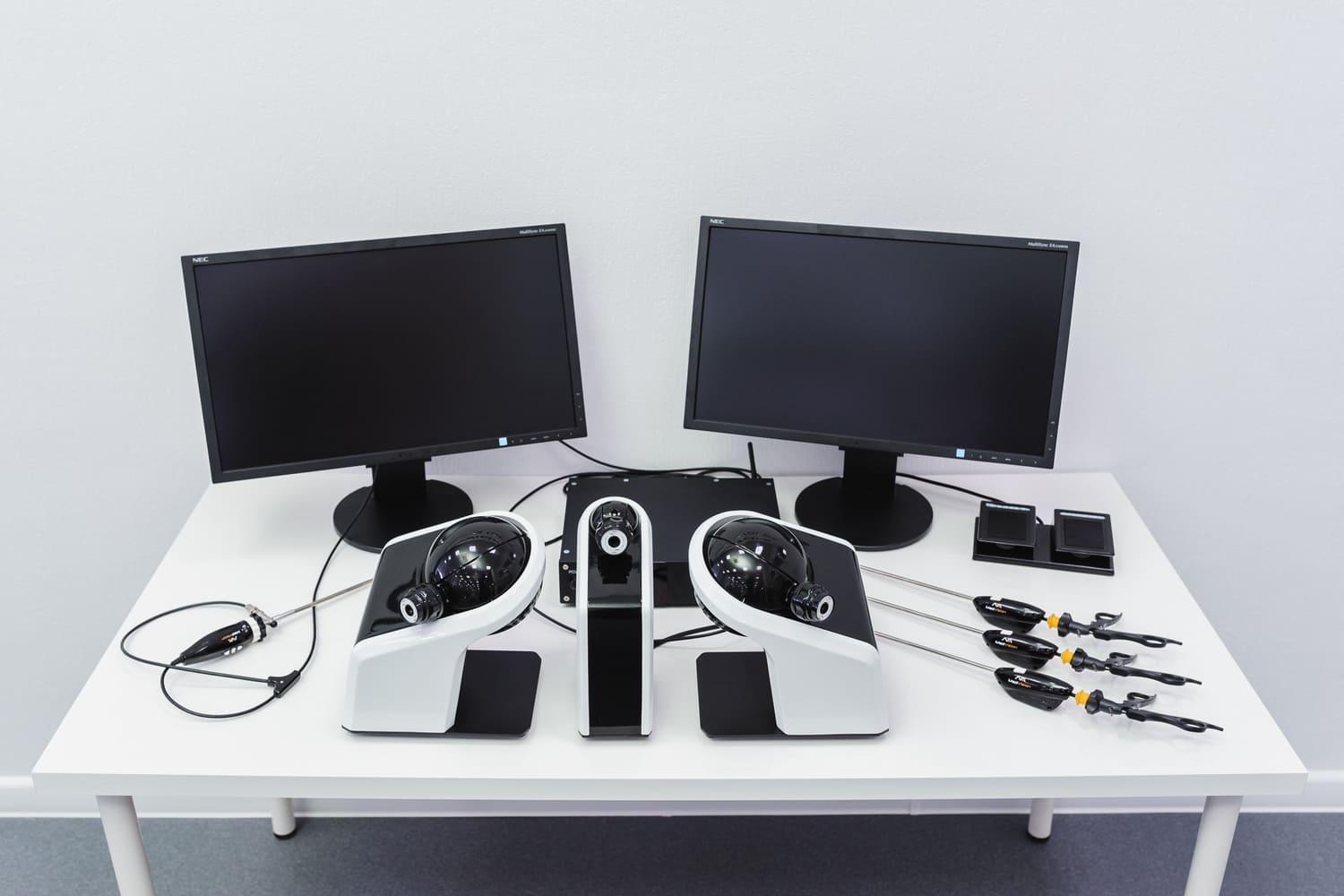
For laparoscopic surgery, physical box trainers remain a cornerstone of education. These devices use physical instruments and cameras to manipulate synthetic tissues or animal models inside a closed box. They are highly effective for developing foundational hand-eye coordination, ambidexterity, and the ability to operate within a two-dimensional visual field. Despite the rise of digital technologies, the physical resistance and tactile feedback provided by bench models make them indispensable for initial skill acquisition.
Virtual Reality (VR) Simulators
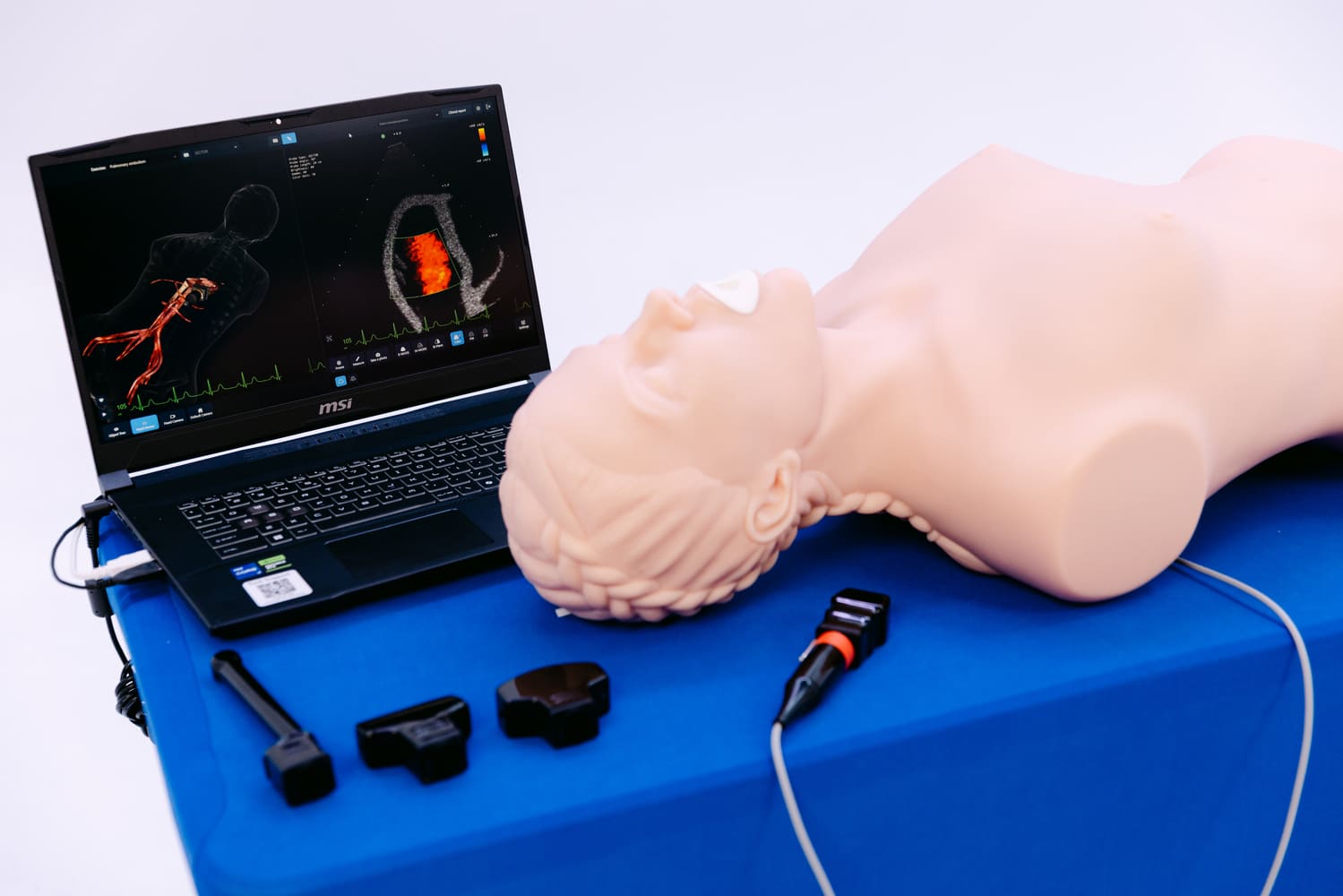
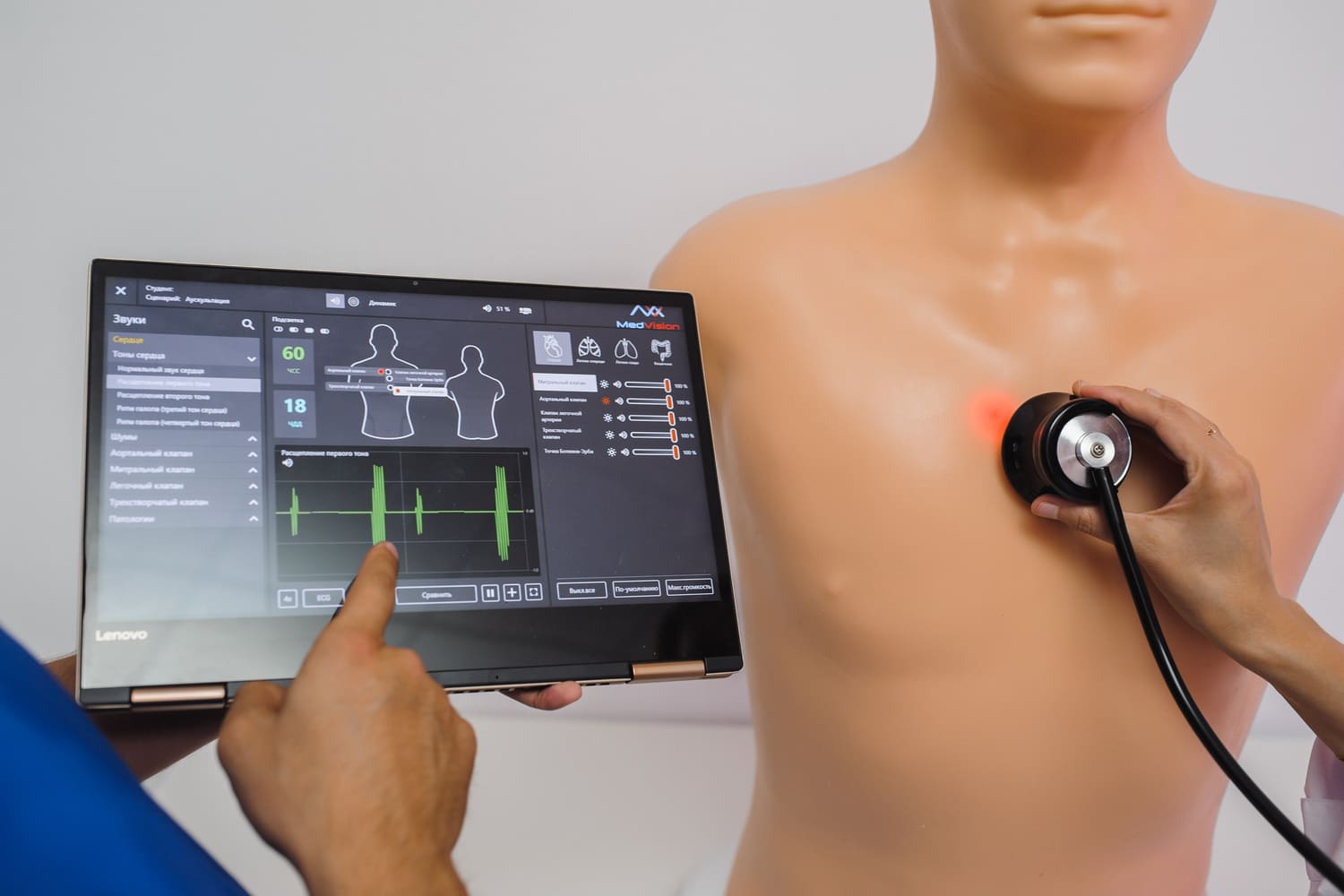
Virtual reality has revolutionized the training landscape. A modern VR simulator utilizes highly sophisticated computer graphics and physics engines to recreate the surgical environment. These platforms are particularly valuable for minimally invasive and endoscopic procedures. One of the primary advantages of a VR simulator is its ability to track instrument movements, path length, economy of motion, and time taken to complete a task. This objective data allows for highly granular, metric-based training, where a specific skill can be quantified and measured against expert benchmarks.
Augmented Reality (AR) and Mixed Reality (MR)
The next frontier in training is augmented and mixed reality. Unlike pure VR, AR overlays digital information onto the real world. In a surgical context, AR can project critical anatomical structures or pre-operative imaging directly onto a physical model or even a patient. This hybrid simulation approach enhances spatial awareness and helps trainees understand complex, three-dimensional anatomical relationships, which is a critical skill for safe operative practice.
Developing a Simulation-Based Curriculum
The mere presence of a simulator in a hospital does not guarantee effective learning. To produce competent practitioners, simulation must be integrated into a structured curriculum. The concept of proficiency-based progression is now widely accepted as the gold standard in surgical education.
In a proficiency-based training model, trainees do not advance based simply on the amount of time spent practicing. Instead, they must achieve predefined benchmark scores on a simulator before progressing to the next level of complexity or entering the operating room. This ensures a uniform standard of baseline competence.
Furthermore, the distribution of training sessions plays a crucial role in skill retention. Evidence shows that "distributed practice" - shorter, frequent sessions spread over weeks or months - is significantly more effective for long-term retention of a surgical skill compared to "massed practice" or cramming. Programs must mandate regular, spaced simulation sessions to build lasting muscle memory.
Conclusion
The integration of advanced technologies into medical curricula has forever altered the trajectory of professional development. A robust surgical skills simulator training program is no longer viewed as an optional adjunct, but rather an absolute necessity for producing safe, competent, and confident practitioners. By embracing proficiency-based methodologies, objective assessment, and continuous technological innovation, the medical community ensures that every skill honed in the laboratory translates directly to improved patient outcomes in the operating room. As technology continues to evolve, the simulator will remain at the very heart of surgical excellence and life-long learning.
References
- Aggarwal, R., Mytton, O. T., Derbrew, M., Hananel, D., Heydenburg, M., Issenberg, B., ... & Darzi, A. (2010). Training and simulation for patient safety. BMJ Quality & Safety, 19(Suppl 2), i34-i43.
- Gallagher, A. G., Ritter, E. M., Champion, H., Higgins, G., Fried, M. P., Moses, G., ... & Satava, R. M. (2005). Virtual reality simulation for the operating room: proficiency-based training as a paradigm shift in surgical skills training. Annals of Surgery, 241(2), 364-372.
- Reznick, R. K., & MacRae, H. (2006). Teaching surgical skills - changes in the wind. New England Journal of Medicine, 355(25), 2664-2669.
- Satava, R. M. (2001). Surgical education and surgical simulation. World Journal of Surgery, 25(11), 1484-1489.
- Seymour, N. E., Gallagher, A. G., Roman, S. A., O'Brien, M. K., Bansal, V. K., Andersen, D. K., & Satava, R. M. (2002). Virtual reality training improves operating room performance: results of a randomized, double-blinded study. Annals of Surgery, 236(4), 458-464.
FAQ
What is surgical skills simulator training?
It is an educational training method where trainees use physical models, virtual reality, or augmented reality to practice operative techniques before performing real surgery. This approach provides a risk-free environment to build muscle memory, prioritize patient safety, and reduce expensive operating room training time.
How does a virtual reality simulator improve surgical education and training?
Virtual reality (VR) provides immersive environments for practicing complex procedures. A key advantage of a VR simulator is its ability to objectively track metrics like instrument path length and economy of motion. This quantifiable data enables targeted, proficiency-based training and drastically accelerates skill acquisition.
What is proficiency-based progression in surgical training?
Proficiency-based training requires a learner to achieve specific, pre-defined benchmark scores on a simulator before advancing. Rather than measuring success by hours spent practicing, it ensures every trainee meets a uniform standard of technical skill before they ever operate on live patients.
Can simulation replace real clinical experience?
No. Simulation is designed to complement clinical experience, not replace it. It shifts the initial learning curve out of the operating room. Once foundational skills are mastered on a simulator, real clinical rotations can focus on advanced decision-making, anatomical variations, and comprehensive patient care.
Immerse yourself in a demo to see how MedVision transforms traditional learning into an engaging, interactive experience

Subscribe for the Latest News!