
What is dynamic auscultation in cardiology? (2026)
What is dynamic auscultation?
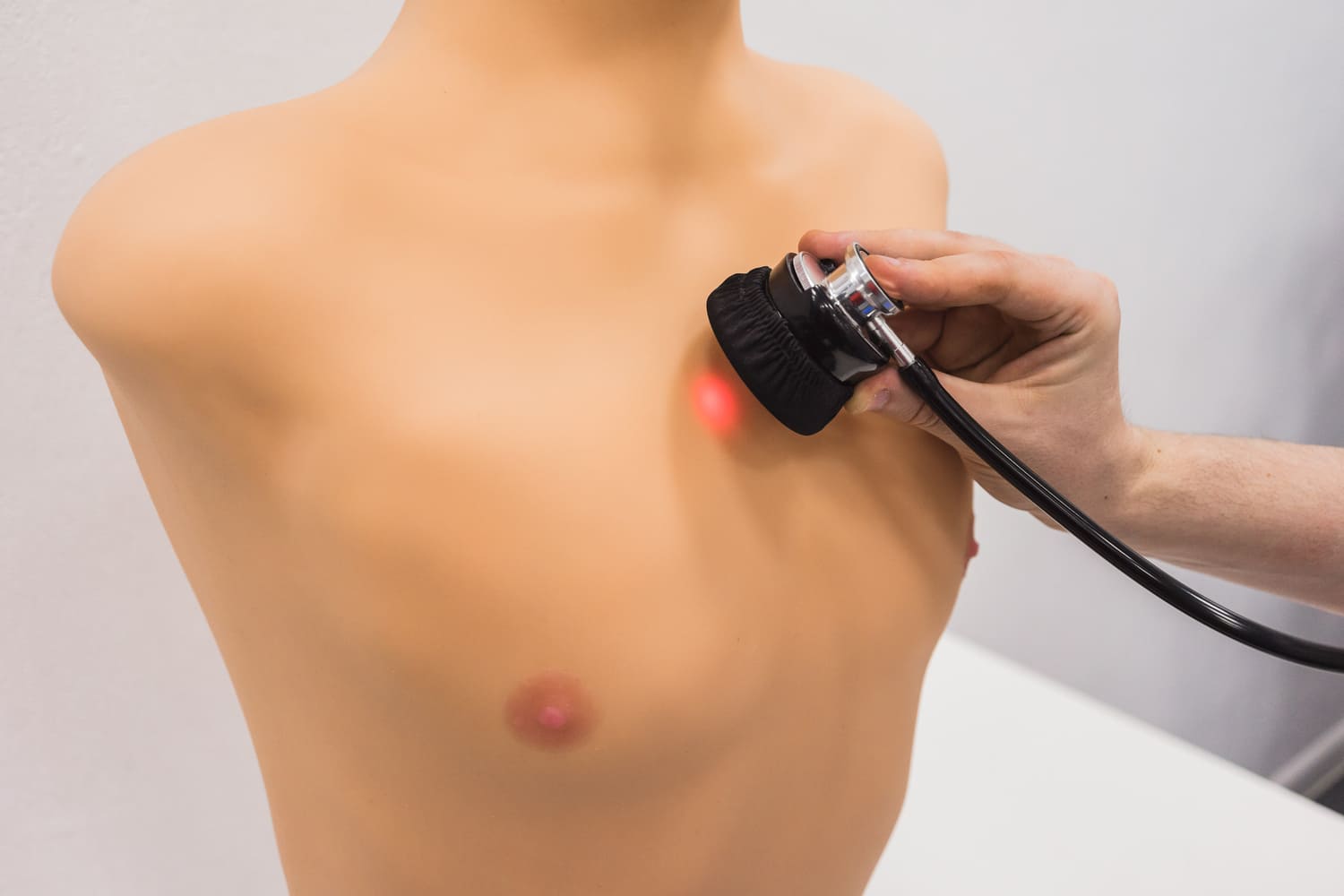
What is dynamic auscultation? Dynamic auscultation is a clinical examination technique in which specific maneuver strategies are used to alter blood flow and cardiac loading conditions in order to observe changes in heart sounds and murmur intensity. Unlike static listening, this method evaluates how physiologic changes affect cardiac acoustics.
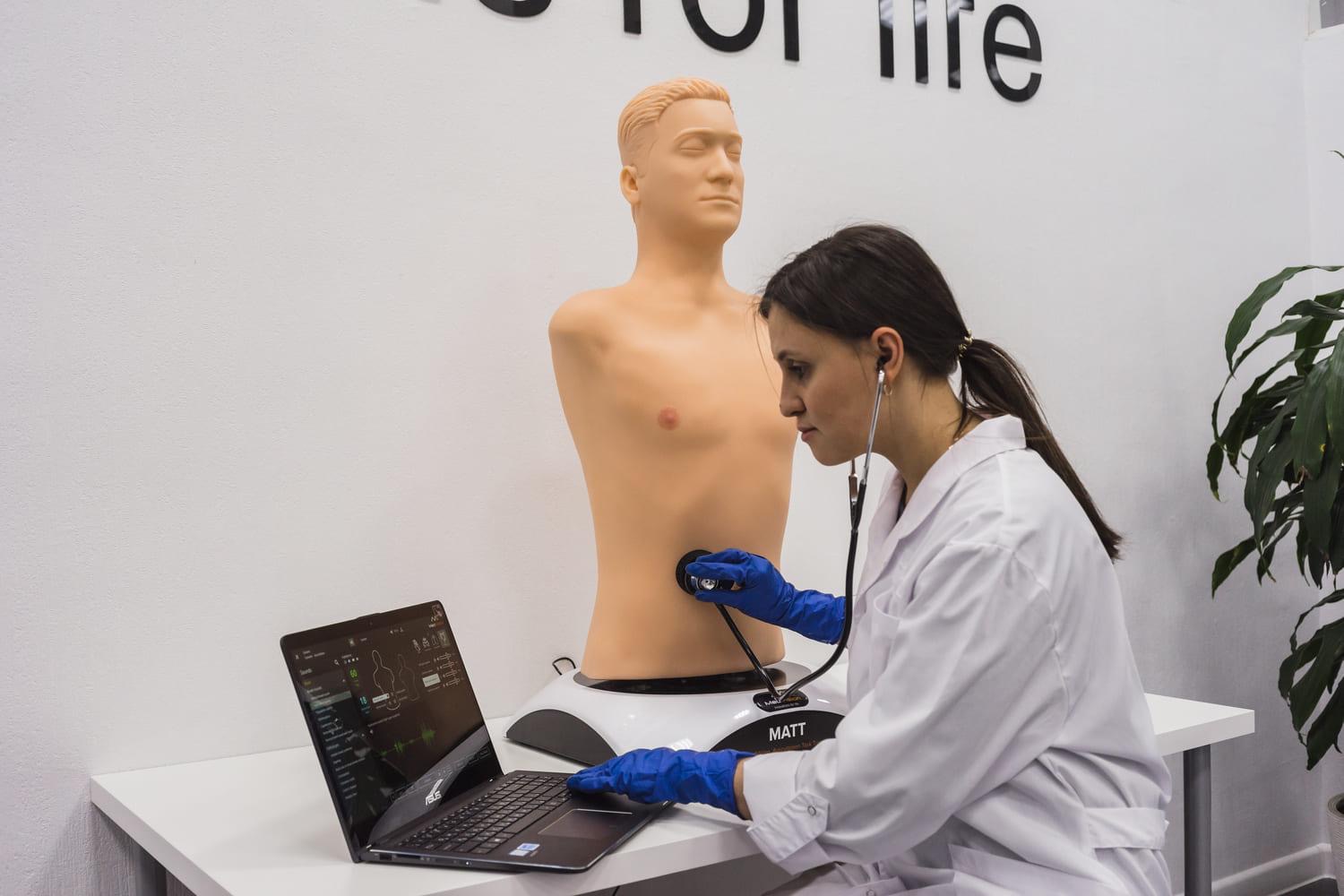
During dynamic auscultation, a clinician performs a targeted maneuver that modifies venous return, vascular resistance, or intrathoracic pressure. These changes influence blood distribution and cardiac output, allowing more precise interpretation of a murmur.
Why are maneuvers used in dynamic auscultation?
Each maneuver applied during dynamic auscultation is designed to produce predictable hemodynamic changes. By increasing or decreasing blood return to the heart, the examiner can determine whether a murmur becomes louder or softer.
For example, certain cardiac conditions respond differently to a preload-altering maneuver. When venous blood return decreases, a specific murmur may intensify, while another may diminish. Observing how sounds respond to each maneuver improves diagnostic accuracy.
Dynamic auscultation relies on controlled physiologic responses rather than isolated listening.
Common dynamic auscultation maneuvers
Several standard maneuver techniques are routinely used in cardiac assessment. Each maneuver changes blood flow dynamics in a distinct way.
Valsalva maneuver
The Valsalva maneuver temporarily reduces venous blood return. During this maneuver, certain cardiac murmur patterns become more prominent, while others decrease in intensity. Monitoring sounds before, during, and after the maneuver provides diagnostic clues.
Squatting maneuver
The squatting maneuver increases venous return and systemic vascular resistance, raising blood volume in the heart. As a result, some types of murmur become softer, while others grow louder. The relationship between the maneuver and blood redistribution is clinically significant.
Standing maneuver
The standing maneuver decreases preload, altering blood flow patterns. Changes in a systolic murmur during this maneuver help differentiate structural cardiac conditions.
Handgrip maneuver
The handgrip maneuver increases afterload and arterial pressure. This affects blood ejection and may intensify certain valvular murmur patterns. Observing how sounds shift during this maneuver strengthens clinical reasoning.
Physiologic basis of dynamic auscultation
Dynamic auscultation is grounded in physiologic principles. Each maneuver modifies the interaction between ventricular filling, pressure gradients, and blood velocity.
A murmur is produced when turbulent blood flow generates abnormal cardiac sounds. When preload or afterload changes, the degree of turbulence may increase or decrease. Therefore, a carefully applied maneuver alters the acoustic characteristics of the murmur.
Understanding the physiologic mechanisms behind each maneuver allows clinicians to interpret subtle changes in sounds more confidently.
Differentiating murmurs using maneuver techniques
Dynamic auscultation is particularly useful for distinguishing similar systolic murmur presentations. Some cardiac abnormalities respond predictably to a preload-reducing maneuver, while others respond to increased systemic blood pressure.
For instance, when a maneuver reduces venous return, one type of murmur may intensify due to altered ventricular volume, while another may fade. Comparing murmur behavior across different maneuvers clarifies diagnostic patterns.
The reproducible relationship between blood flow change and murmur intensity is central to dynamic assessment.
Pharmacologic versus physiologic maneuvers
Most dynamic auscultation techniques rely on a physiologic maneuver such as posture change or breathing adjustment. However, in some settings, pharmacologic agents may alter blood pressure or vascular tone to evaluate cardiac response.
While pharmacologic intervention is not routine bedside practice, the concept highlights how modifying blood flow conditions influences cardiac sounds and murmur expression.
Both physiologic and pharmacologic approaches are cited in cardiology literature as methods to analyze dynamic acoustic findings.

Clinical significance in modern practice
Dynamic auscultation remains relevant despite advanced imaging technologies. By applying a structured maneuver, clinicians can gain immediate information about blood flow patterns and structural abnormalities.
Changes in murmur intensity during a maneuver provide insight into valvular function and ventricular mechanics. Because this method is noninvasive and rapidly performed, it supports bedside assessment.
Accurate interpretation depends on recognizing how blood redistribution affects cardiac sounds. For this reason, dynamic auscultation techniques continue to be cited in cardiology education and clinical training.
References
- Bickley, L.S. Bates’ Guide to Physical Examination and History Taking. Wolters Kluwer.
- Tavel, M.E. Cardiac auscultation: a glorious past—and it does have a future. Circulation. 2006.
- Mangione, S., Nieman, L.Z. Cardiac auscultatory skills of trainees. JAMA. 1997.
- Otto, C.M. Textbook of Clinical Echocardiography. Elsevier.
- Leatham, A. Auscultation of the heart. British Medical Journal.
Frequently Asked Questions
What is the purpose of dynamic auscultation?
Dynamic auscultation is used to observe how a cardiac murmur changes during a specific maneuver that alters blood flow. These controlled physiologic changes help differentiate structural heart conditions based on variation in cardiac sounds.
Which maneuver is most commonly used?
The Valsalva maneuver and the squatting maneuver are among the most commonly used techniques. Each maneuver produces predictable blood flow changes that influence murmur intensity.
Is dynamic auscultation still clinically relevant?
Yes. Although imaging provides structural detail, dynamic auscultation remains valuable for real-time evaluation of murmur characteristics and blood flow changes during bedside examination.
Immerse yourself in a demo to see how MedVision transforms traditional learning into an engaging, interactive experience


Subscribe for the Latest News!