

Nurse educators: role, responsibilities, and impact on nursing education
Who are nurse educators?
Nurse educators are experienced nurse professionals who specialize in teaching and training within nursing education systems. Their primary responsibility is to prepare students and practicing nurses for safe and effective clinical practice. In a modern school or academic setting, nurse educators combine clinical expertise with pedagogical knowledge.
Within nursing, educators serve as a bridge between theory and practice. They design curricula, evaluate competencies, and guide learners through increasingly complex clinical scenarios. This role is widely cited as essential for maintaining consistent educational standards in nursing school programs.
The role of nurse educators in nursing schools
In a nursing school, nurse educators are responsible for shaping both knowledge and professional identity. Their work extends beyond lectures and includes mentoring, assessment, and curriculum development.
Core responsibilities of nurse educators include:
- teaching theoretical foundations of nursing
- supervising clinical training for nurse students
- evaluating academic and practical performance
- updating educational content to reflect current practice
Through structured instruction, educators ensure that nurse graduates are prepared for real clinical environments. This role is especially important as nursing education continues to evolve in response to healthcare complexity.
Skills required for nurse educators
Effective nurse educators require a balanced combination of clinical experience and teaching competence. Strong communication, organization, and leadership skills are essential in any nursing school setting.
Key skills for nurse educators include:
- clinical expertise as a practicing nurse
- instructional and mentoring abilities
- curriculum design in nursing education
- assessment and evaluation skills
- adaptability to diverse learning needs
These competencies allow educators to guide students through progressive learning stages, from foundational knowledge to advanced nursing practice.
Simulation-based learning in nurse educator practice
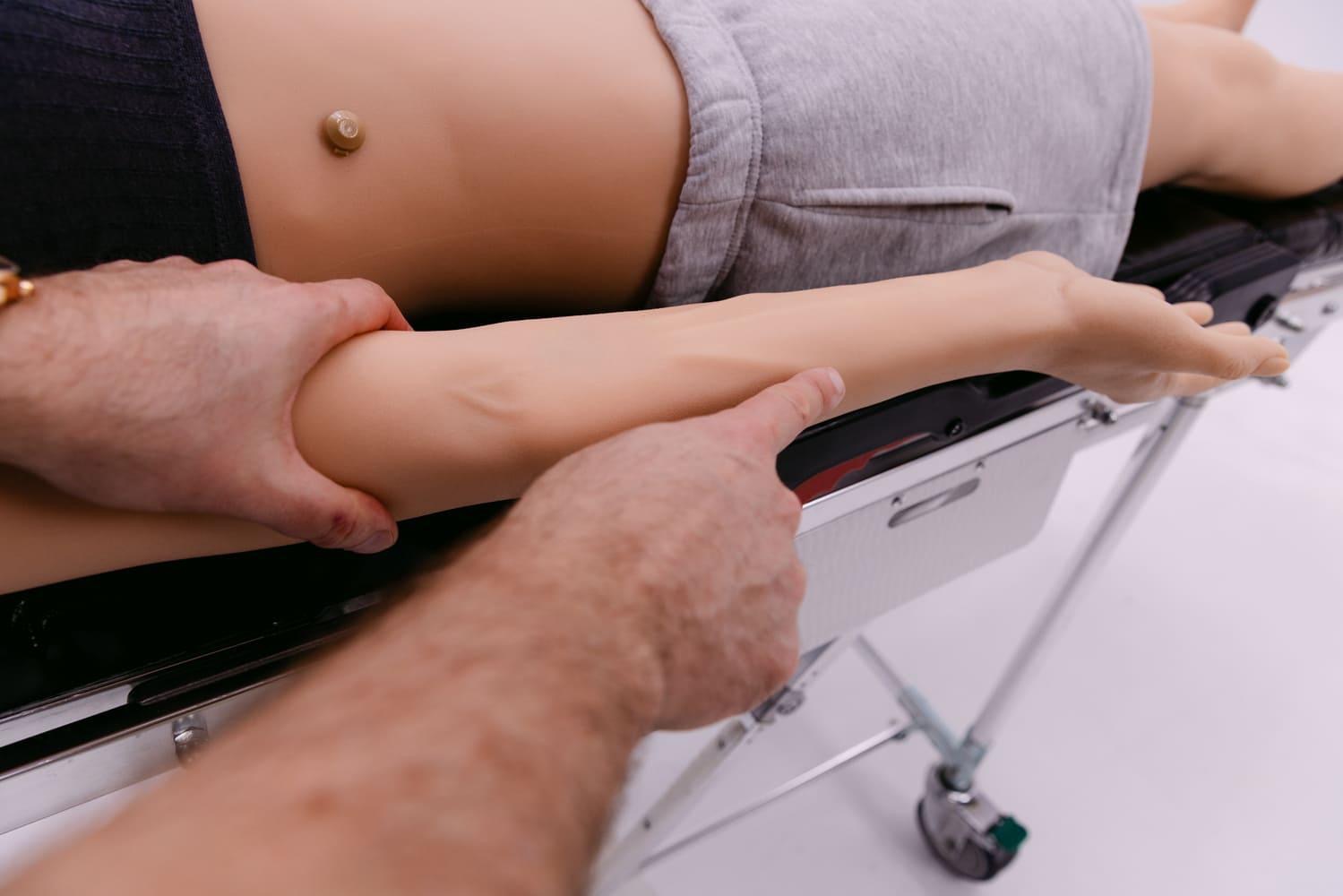
Simulation has become a core component of modern nursing education. Nurse educators increasingly rely on simulation to support experiential learning within school and training center environments.
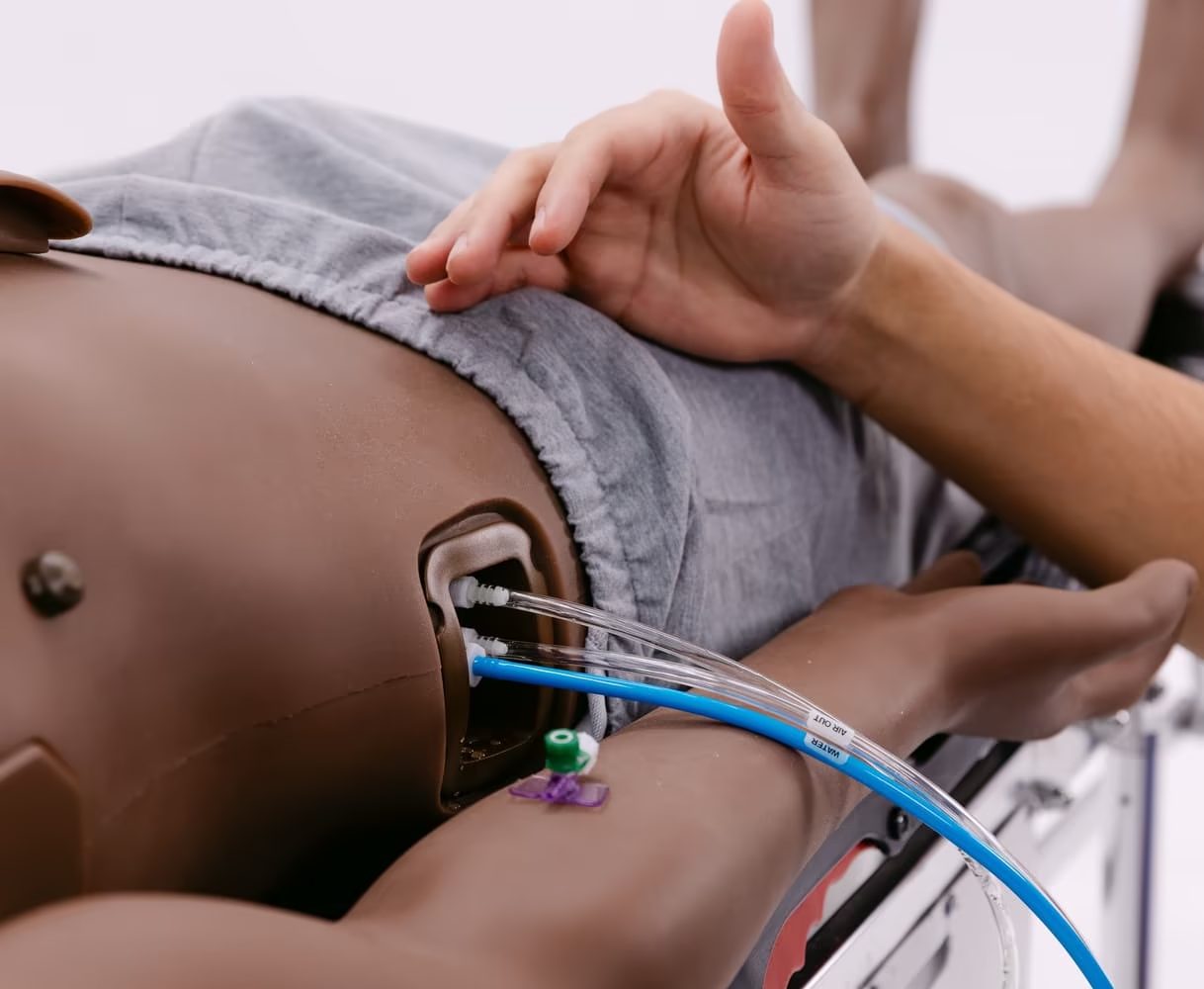
Simulation tools such as Leonardo (Adult), Lisa, Arthur (Pediatric), and Mia (Infant) are used by nurse educators to recreate realistic patient care situations. These environments allow nurse students to practice assessment, decision-making, and communication skills in a controlled setting.
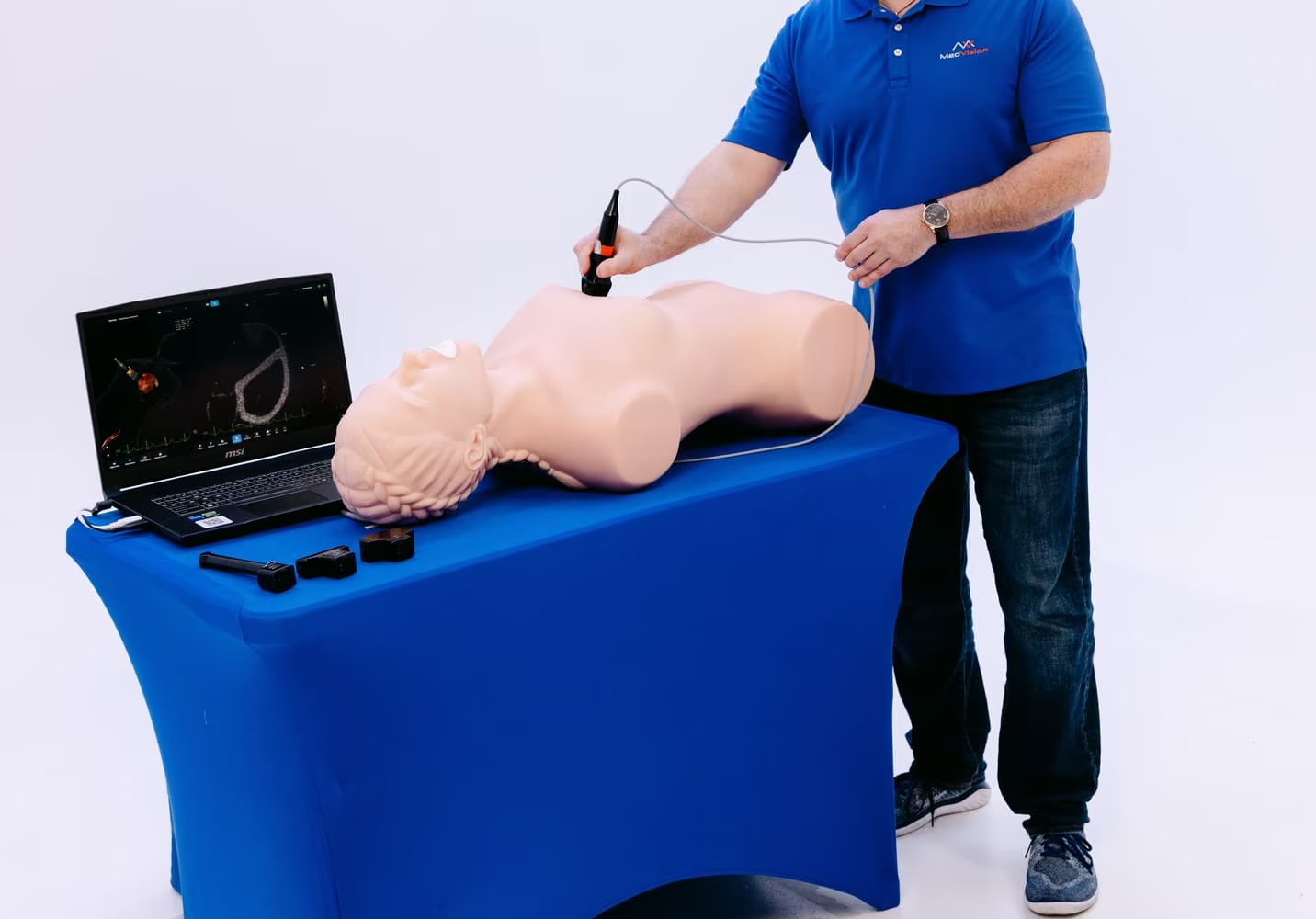
For focused skill development, educators may incorporate MATT (Auscultation) or Pediatric MATT to strengthen diagnostic listening and clinical reasoning. In ultrasound-oriented curricula, SonoVision supports visual learning and complements theoretical instruction in nursing school programs.
Career pathway for nurse educators
Becoming a nurse educator typically requires clinical experience, advanced education, and formal training in teaching methods. Many educators begin their careers as clinical nurses before transitioning into academic or instructional roles.
In a nursing school, nurse educators may work full-time or part-time, balancing teaching with research or clinical practice. This career path is frequently cited as an opportunity for experienced nurse professionals to influence future generations while remaining engaged in nursing education.
The impact of nurse educators on nursing practice
The influence of nurse educators extends beyond the classroom. By shaping curriculum and training standards, educators directly affect the quality of nursing care delivered in clinical settings.
Well-prepared nurse graduates demonstrate stronger clinical competence, professional confidence, and adherence to evidence-based practice. As a result, nurse educators play a critical role in sustaining long-term excellence within nursing systems worldwide.

Nurse educators in modern nursing education systems
Nurse educators play a central role in shaping modern nursing education systems. In a rapidly evolving healthcare environment, educators ensure that nurse training remains aligned with current professional standards and patient care requirements.
Within contemporary nursing school programs, nurse educators are responsible for integrating theory with practical application. Their work supports consistent learning outcomes across nursing curricula and prepares each nurse for clinical responsibilities. This structured approach to nursing education is widely cited as essential for workforce readiness.
By guiding students through progressive learning stages, educators help future nurses develop professional confidence and competence. In this way, nurse educators contribute directly to the long-term stability and quality of nursing systems.
Nurse educators and lifelong learning in nursing
Nurse educators are actively involved in supporting lifelong learning within nursing education. As healthcare practices, technologies, and standards evolve, educators help ensure that every nurse continues to develop relevant competencies throughout their career.
In a modern nursing school or training environment, nurse educators promote continuous learning by encouraging critical reflection, self-assessment, and professional growth. This approach allows nursing education to remain flexible and responsive to real-world demands rather than fixed to outdated models.
By fostering a culture of lifelong learning, educators support the ongoing development of nurses at different career stages. This dimension of nursing education is often cited as essential for maintaining professional resilience and adaptability in complex healthcare systems.
FAQ
What does a nurse educator do?
A nurse educator teaches and mentors students in nursing school, develops curricula, and supports clinical training for future nurse professionals.
Where do nurse educators work?
Nurse educators typically work in nursing schools, universities, training centers, and clinical education departments.
Why are nurse educators important in nursing education?
Nurse educators ensure consistent educational standards, prepare competent nurse graduates, and support the ongoing development of nursing practice.
How do nurse educators support nursing schools?
Nurse educators support nursing school programs by designing curricula, mentoring students, and ensuring that nurse training meets academic and clinical standards within modern nursing education.
Immerse yourself in a demo to see how MedVision transforms traditional learning into an engaging, interactive experience

Subscribe for the Latest News!