
Augmented Reality in Healthcare: A New Clinical Paradigm
What Is Augmented Reality in Healthcare and Why Does It Matter Today?
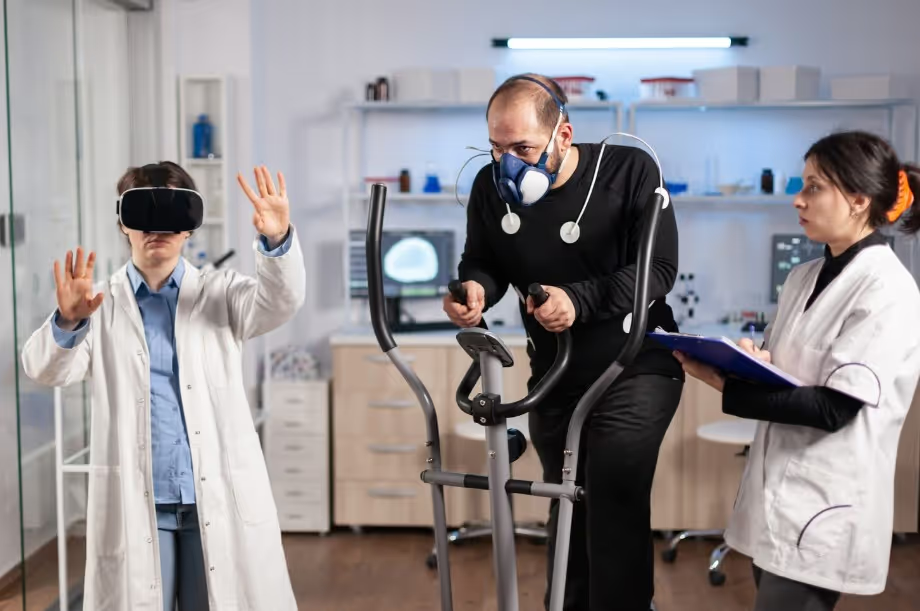
Augmented reality in healthcare represents a sophisticated technological layer that enriches clinical environments with virtual visual data, procedural overlays, and interactive medical guidance. In its strictest definition, augmented systems superimpose digital information onto the physical world, allowing clinicians to perceive reality with heightened precision. This fusion creates an environment where medical teams can access instant anatomical insights, procedural cues, or spatial diagnostics without breaking focus - a decisive advantage in contemporary medicine.
How Does AR Reshape the Foundations of Modern Medical Practice?
At its core, augmented reality in healthcare addresses a long-standing dilemma: how to increase diagnostic accuracy without overwhelming clinicians with additional interfaces. By integrating virtual elements directly into a surgeon’s or nurse’s field of view, augmented tools streamline cognition, reduce task-switching, and elevate situational awareness. This enhanced reality becomes a multidimensional workspace where clinicians interpret information at the pace of unfolding events rather than diverting attention to external screens.
Why AR Has Become a Strategic Priority for Medical Institutions
For hospitals, academic centres, and simulation laboratories, augmented reality in healthcare offers measurable operational value. Augmented visualisation can shorten onboarding, refine competence acquisition, and reduce procedural variability - factors directly shaping patient outcomes. When integrated into simulation ecosystems (including high-fidelity manikins such as those used at MedVision), AR amplifies realism by merging tactile practice with virtual anatomical layers. Instructors can project dynamic vitals, pathology visuals, or step-wise procedural markers, creating a training reality that mirrors the pressures and ambiguities of clinical work.
What Problems Does AR Actually Solve?
One of the most persistent obstacles in medicine is cognitive overload - especially during complex interventions or multi-step nursing tasks. Augmented reality in healthcare mitigates this burden by embedding contextual prompts within the practitioner’s visual field. Instead of navigating manuals or disparate interfaces, clinicians interact with a unified, enriched reality. These augmented cues help reduce errors, standardise behaviours, and support rapid, well-informed decisions across medical specialties.
How Augmented Reality in Healthcare Elevates Clinical Training Standards
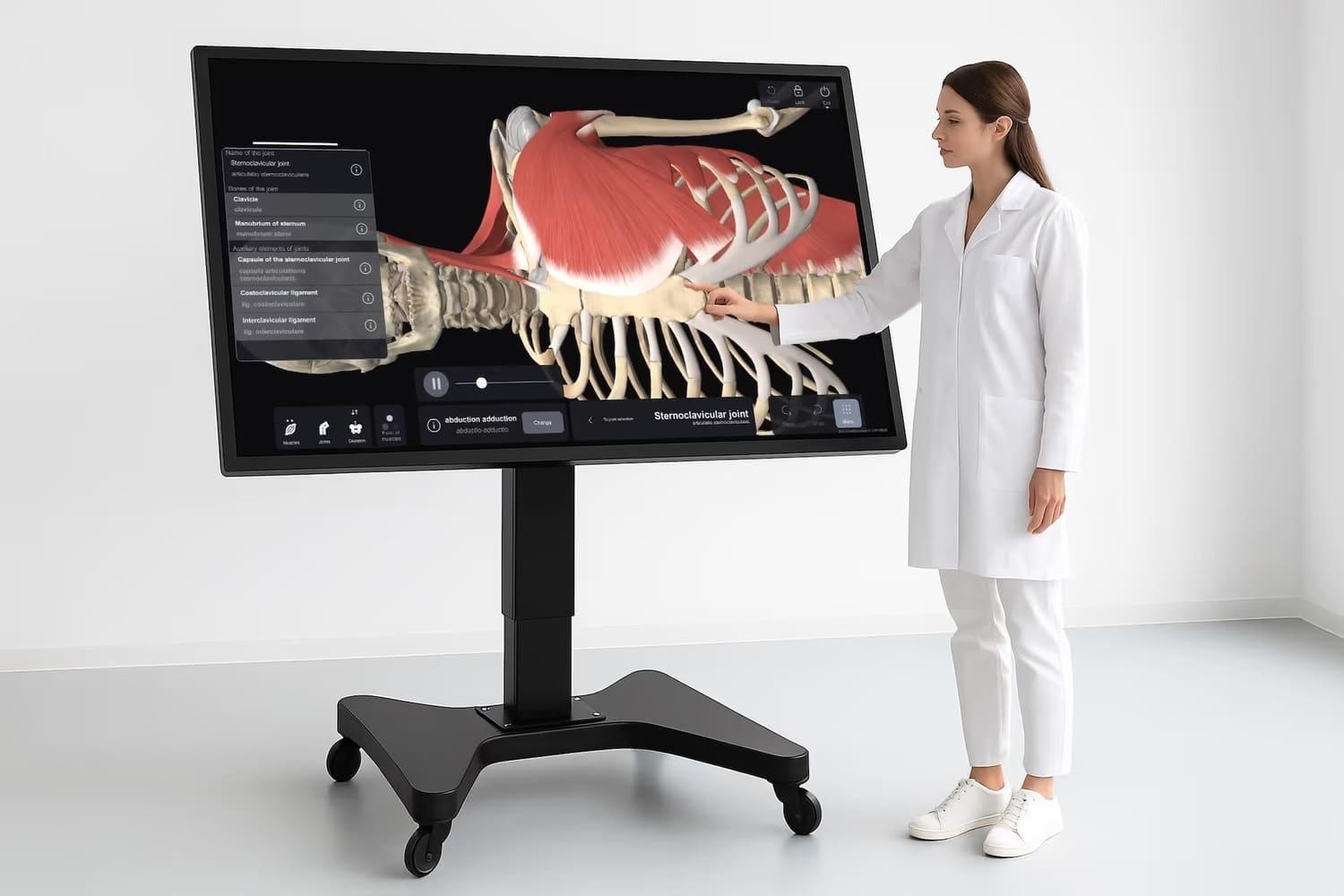
Augmented reality in healthcare has revolutionised the educational landscape by transforming passive learning into active, exploratory engagement. For medical students and nursing trainees, augmented systems provide instant access to virtual anatomical structures, physiological responses, and procedural walkthroughs. This amplified reality enables learners to examine complex systems with extraordinary granularity, accelerating comprehension and strengthening retention.
In simulation environments, AR overlays can be synchronised with medical manikins, allowing trainees to observe virtual injuries, internal bleeding, or organ reactions mapped directly onto the physical body. This hybrid reality fosters a tactile-visual synergy that conventional textbooks cannot replicate. It allows learners to make sense of dynamic clinical patterns while maintaining hands-on dexterity - a hallmark of high-quality medical education.
Why AR Is Especially Relevant for Nursing and Interdisciplinary Teams
Nursing education continually evolves, yet students often struggle to translate theory into immediate clinical action. Augmented reality in healthcare bridges this gap by placing augmented prompts and virtual decision pathways into the learner’s environment. Whether assessing vital signs, preparing medication, or performing wound care, nurses operate within an enriched reality that sharpens situational judgement and procedural fluency.
We see a similar benefit for interdisciplinary groups. When teams train using AR-enhanced simulation, communication becomes more concise, role distribution clearer, and safety protocols more consistently followed. This augmented cohesion is invaluable in emergency medicine, critical care, and trauma settings, where every second must be used with intention.
The Role of AR in Diagnostics and Precision Procedures
Diagnostic accuracy improves profoundly when clinicians access spatially aligned overlays. Augmented reality in healthcare empowers practitioners to visualise virtual scans superimposed onto the patient’s body surface, reinforcing spatial orientation and enabling more confident interventions. Whether locating vascular pathways, mapping tumour margins, or navigating complex orthopaedic angles, augmented visual layers minimise guesswork and elevate precision.
This enhanced reality also benefits bedside care. Nurses using AR-guided tools gain immediate insights into anatomical landmarks, risk zones, or contraindications. In turn, routine procedures - from venepuncture to catheter placement - become more controlled and less error-prone. The embedded virtual guidance compensates for experience gaps, supporting novices while still serving as a high efficiency tool for seasoned clinicians.
Can AR Strengthen Patient Engagement and Trust?
Surprisingly, augmented reality in healthcare is not limited to professionals. Patients, too, respond positively to augmented information that clarifies their condition without overwhelming them with jargon. By projecting virtual anatomical illustrations or treatment pathways, clinicians create a shared reality where complex concepts become intuitive. This visual clarity reduces anxiety, strengthens adherence, and cultivates informed participation in care decisions.
How AR Accelerates Procedural Mastery and Reduces Clinical Errors
Augmented reality in healthcare brings an unprecedented layer of accuracy to procedural training by merging virtual markers with real-world tactile tasks. When a learner performs an injection, sutures a wound, or positions a medical device, augmented visual cues guide their hands, ensuring correct angles, depths, and sequences. This convergence of digital and physical reality dramatically lowers the likelihood of early-stage mistakes and shortens the learning curve for complex interventions.
For nurses in particular, procedure-heavy domains such as catheterisation, airway support, medication delivery, and wound management benefit immensely from AR precision. The enriched reality presents risk alerts, documentation reminders, or anatomical clarifications at exactly the right moment. Instead of memorising long procedural scripts, trainees internalise best practices through action, refining confidence and lowering cognitive load.
AR-Enhanced Collaboration in Hospitals and Telemedicine
As hospitals navigate increasingly interconnected workflows, augmented reality in healthcare supports clinicians by unifying information streams into a single, intelligible interface. Physicians, nurses, and allied health professionals can consult shared virtual layers that highlight equipment placement, patient positioning, or hazard zones. This creates a situational awareness that transcends traditional communication barriers.
In remote settings, augmented telemedicine expands the clinician’s reach by streaming real-time procedural overlays to distant caregivers. A specialist can project a virtual guide onto the working field of a rural nurse, ensuring accurate execution of time-sensitive tasks. This hybrid reality model reduces geographic disparities, supports rapid interventions, and elevates the standard of distributed care.

Where AR Meets MedVision’s High-Fidelity Simulation Ecosystem (Native Mention)
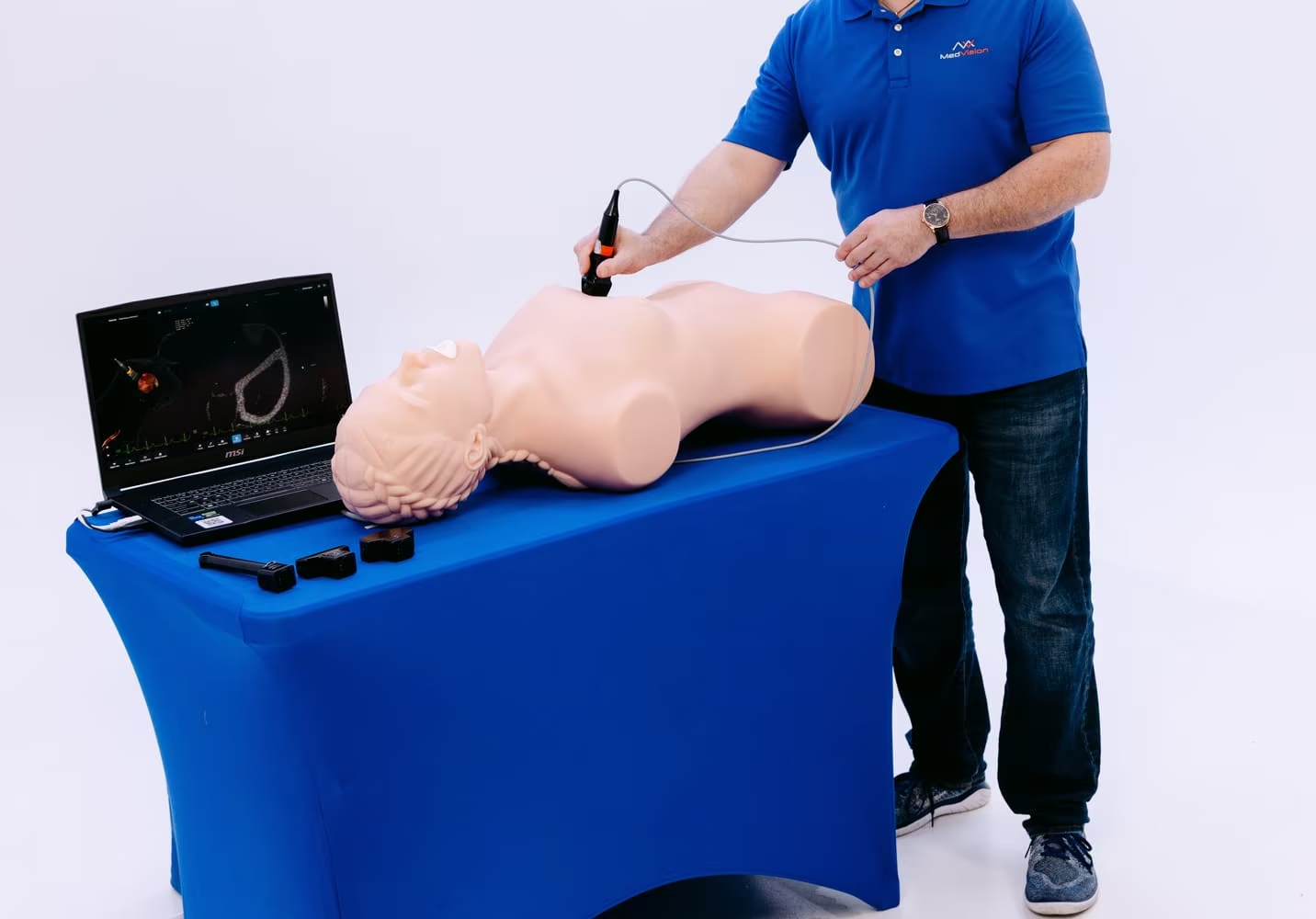
While the broader world of augmented reality in healthcare continues to expand, its impact becomes especially compelling when paired with high-fidelity simulation environments. MedVision’s ecosystem, including solutions for detailed anatomy exploration and scenario-based clinical training, complements AR overlays by anchoring digital insights within durable medical realism. When virtual guidance intersects with responsive manikins and lifelike physiological models, learners inhabit an augmented space where theory, action, and critical reasoning merge seamlessly. This synergy elevates training efficiency and ensures that learners transition into clinical roles with a sharpened sense of competence and situational mastery.
Frequently Asked Questions on Augmented Reality in Healthcare
What exactly is augmented reality in healthcare?
Augmented reality in healthcare refers to technology that overlays digital information—such as anatomical models, procedure steps, or alerts—onto real-world clinical environments. This enhances learning, procedural accuracy, and decision-making by blending virtual and physical layers seamlessly.
How does AR improve medical training?
AR provides virtual guidance during hands-on practice, allowing nurses and students to visualise internal anatomy, follow procedural steps, and receive immediate feedback. This accelerates skill acquisition, reduces errors, and builds confidence before interacting with real patients.
Can AR support remote learning or telemedicine?
Yes. Augmented overlays can be streamed to remote learners or clinicians, enabling guidance on procedures or patient assessments in distant locations. This expands access to expert knowledge and standardises care quality across geographies.
Is AR compatible with simulation-based learning tools?
Absolutely. Integrating AR with high-fidelity manikins or interactive anatomy tables allows learners to practice procedures in virtual environments that mimic real patient responses, combining theoretical knowledge with practical experience.
What are the main benefits for nurses using AR?
Nurses gain enhanced procedural precision, faster skill mastery, reduced cognitive load, safer practice environments, and the ability to collaborate effectively in multidisciplinary teams. AR also supports continuous learning and improves patient safety outcomes.
Are there limitations to AR in clinical practice?
Limitations include the need for specialized hardware, training to interpret AR overlays effectively, and potential reliance on technology over critical thinking. Careful integration into curricula and clinical protocols ensures that AR supplements, rather than replaces, professional judgment.
Immerse yourself in a demo to see how MedVision transforms traditional learning into an engaging, interactive experience

Subscribe for the Latest News!