
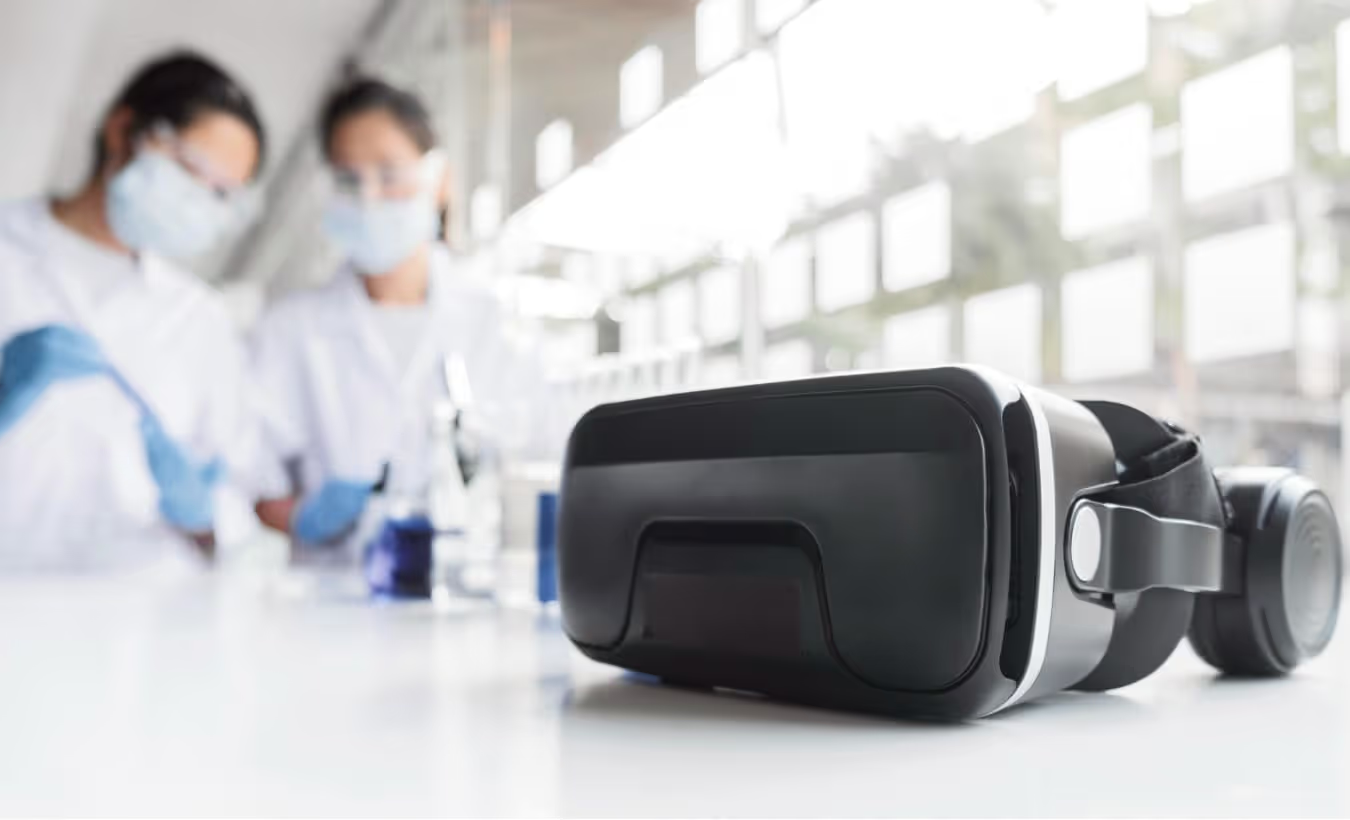
Augmented Reality Simulation: Transforming Modern Medical Training
What Is Augmented Reality Simulation in Healthcare?
Augmented reality simulation represents a cutting-edge approach where digital elements are overlaid onto physical clinical environments, creating a hybrid learning space. Unlike conventional simulation, this method allows trainees to interact with real manikins or anatomical models while viewing additional information through AR devices. The fusion of augmented digital visuals and tangible practice promotes experiential learning, enhances understanding of complex procedures, and reduces the risks associated with early-stage clinical practice. Through such systems, learners gain an intuitive grasp of anatomy, procedural sequences, and patient responses, all in a controlled, repeatable setting.
How Does AR Enhance Training in Realistic Scenarios?
In contemporary medical education, simulation plays a pivotal role in bridging theory and practice. AR enriches this process by providing virtual overlays that illustrate physiological processes, procedural steps, or diagnostic cues in real time. Trainees can follow guidance while performing tasks on manikins, receiving immediate visual feedback that strengthens cognitive retention. This approach is particularly effective for complex procedures where understanding spatial relationships and timing is critical. By integrating augmented reality simulation into curricula, educators can offer safe, scalable, and interactive learning experiences that accelerate skill mastery and improve decision-making under pressure.
Why Is Augmented Reality Simulation Considered a Game-Changer?
The transformative potential of augmented reality simulation lies in its ability to combine immersive, virtual learning with hands-on practice. Learners are no longer confined to static models or theoretical diagrams—they engage in dynamic scenarios where every decision can be visualized and analyzed. AR systems can simulate real-time complications, vital sign changes, or anatomical anomalies, providing an enriched learning environment. This not only enhances technical competencies but also develops critical thinking, situational awareness, and confidence in performing high-stakes procedures. In essence, AR transforms traditional simulation into a multi-sensory, deeply interactive educational experience.
How AR Simulation Integrates with Medical Devices
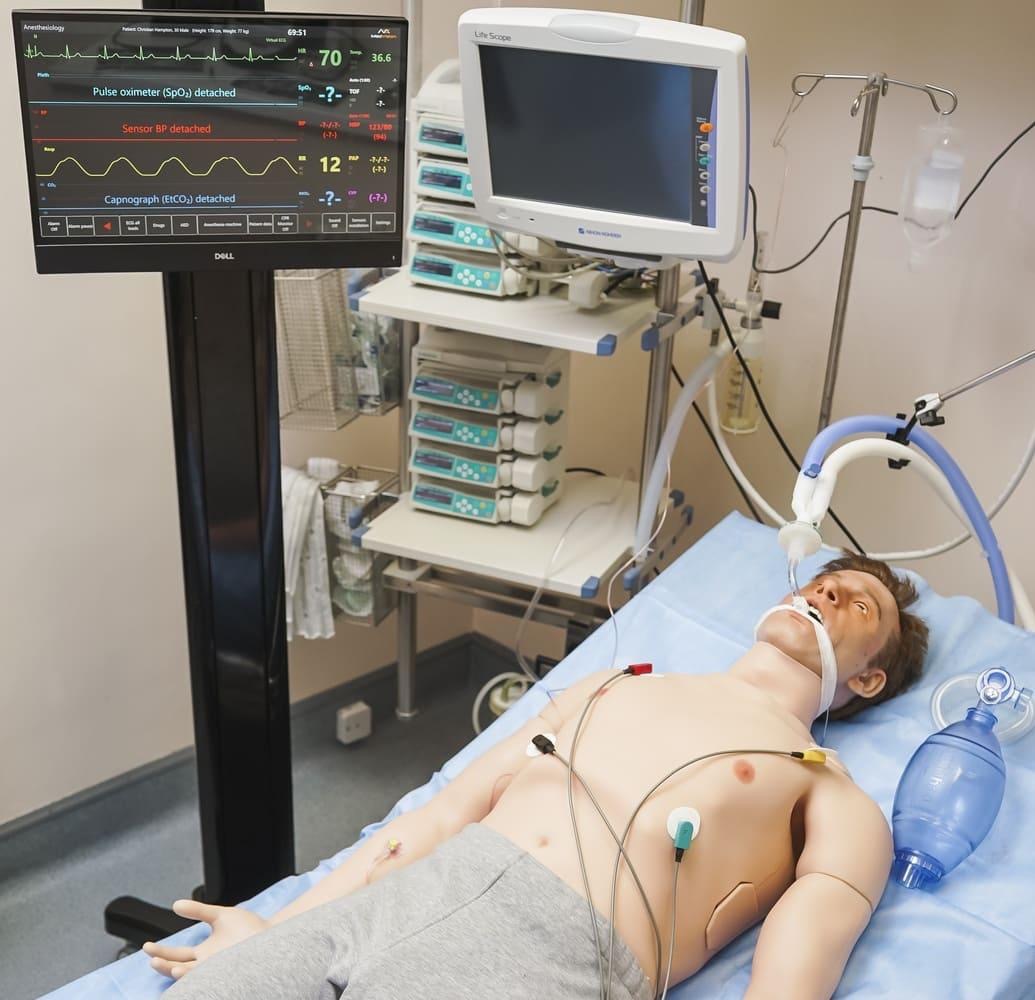
Augmented reality simulation reaches its full potential when paired with modern educational tools and high-fidelity manikins. Trainees can perform procedures on realistic models while AR systems overlay anatomical structures, physiological data, or procedural prompts. This integration allows learners to visualize internal organs, blood flow, or diagnostic pathways without risk to real patients. By combining tactile feedback with virtual enhancements, AR supports multisensory learning and bridges the gap between textbook knowledge and practical competence.
Innovative platforms also facilitate assessment and feedback. Sensors within manikins capture trainee actions, while AR interfaces provide immediate guidance, error correction, and performance analytics. This continuous feedback loop ensures that each session contributes meaningfully to skill acquisition, cognitive retention, and professional readiness. Such simulation experiences not only improve technical proficiency but also foster situational awareness and decision-making under realistic conditions.
What Are the Benefits of Augmented Reality Simulation?
The advantages of augmented reality simulation in medical education are multifaceted:
- Enhanced Skill Acquisition: Learners can repeatedly practice procedures with AR guidance, increasing accuracy and confidence.
- Reduced Clinical Risk: Early-stage mistakes occur in a controlled, virtual-augmented environment rather than on real patients.
- Improved Cognitive Retention: Visual overlays, annotations, and real-time feedback strengthen memory and understanding.
- Scalable Training: AR allows multiple students to engage simultaneously, supporting larger educational programs.
- Interdisciplinary Learning: Scenarios can integrate nursing, physician, and technician roles, promoting teamwork and communication.
Such benefits highlight why AR is no longer a novelty but a central pillar in advanced medical education, creating a safer, more effective learning ecosystem.
MedVision and AR Simulation
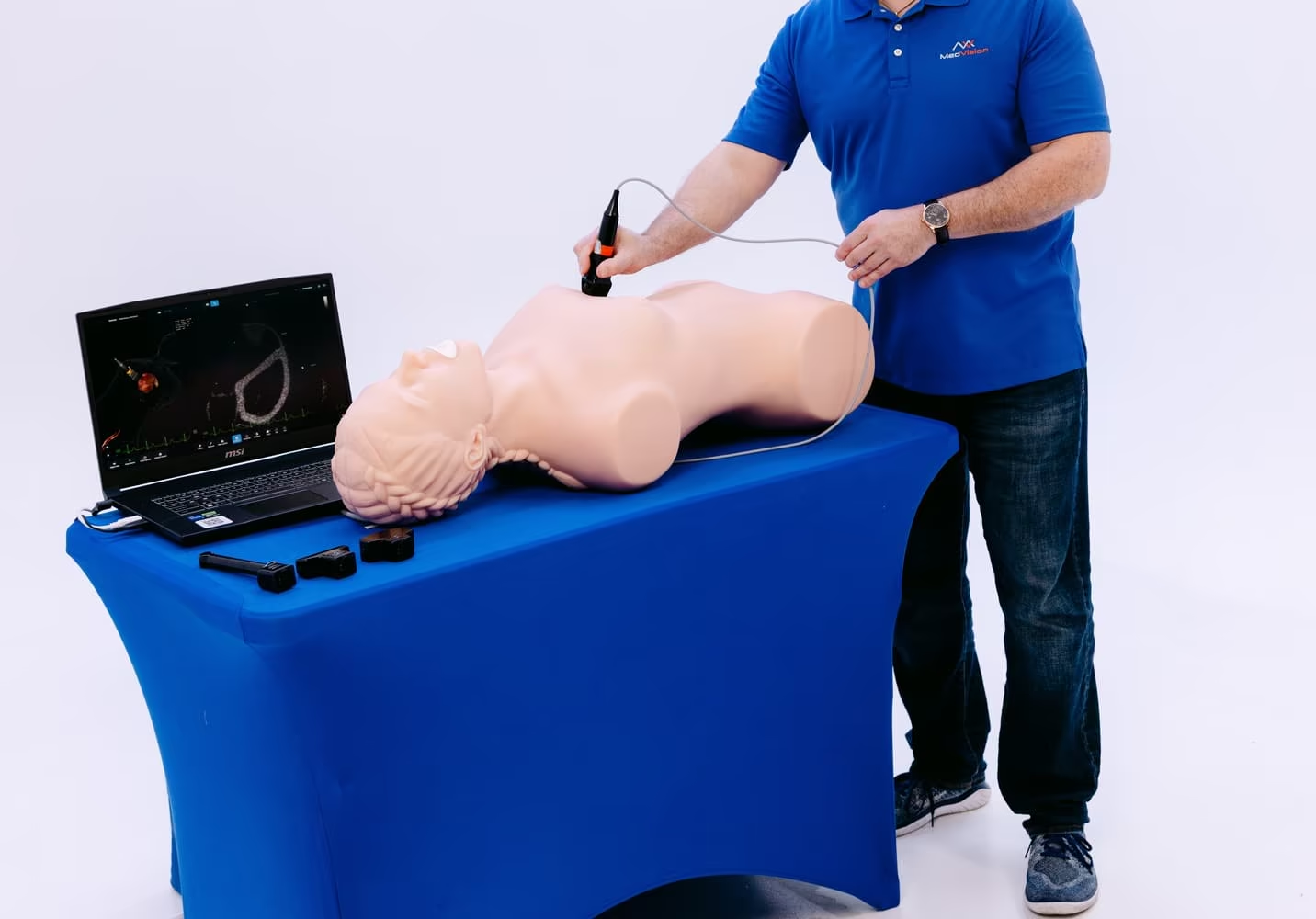
Augmented reality simulation is significantly enhanced by specialized training tools, and MedVision provides a range of solutions that seamlessly integrate with AR platforms. Products such as the Anatomy Table allow learners to explore 3D human anatomy in a fully interactive environment. With AR overlays, trainees can visualize internal structures, follow complex pathways, and manipulate organ systems virtually, all while receiving tactile feedback from the manikin surface. This approach deepens comprehension and prepares students for real-world clinical scenarios.
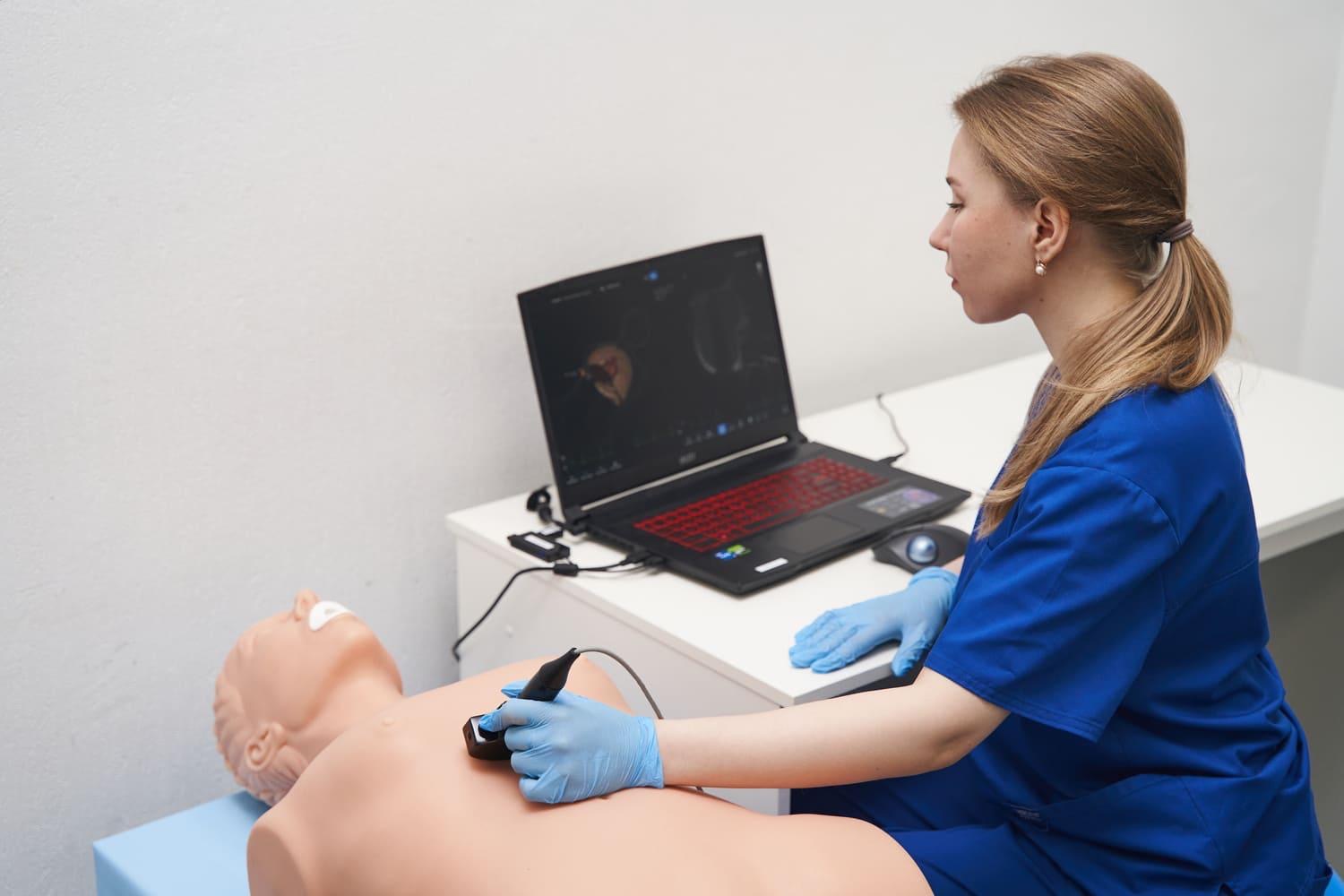
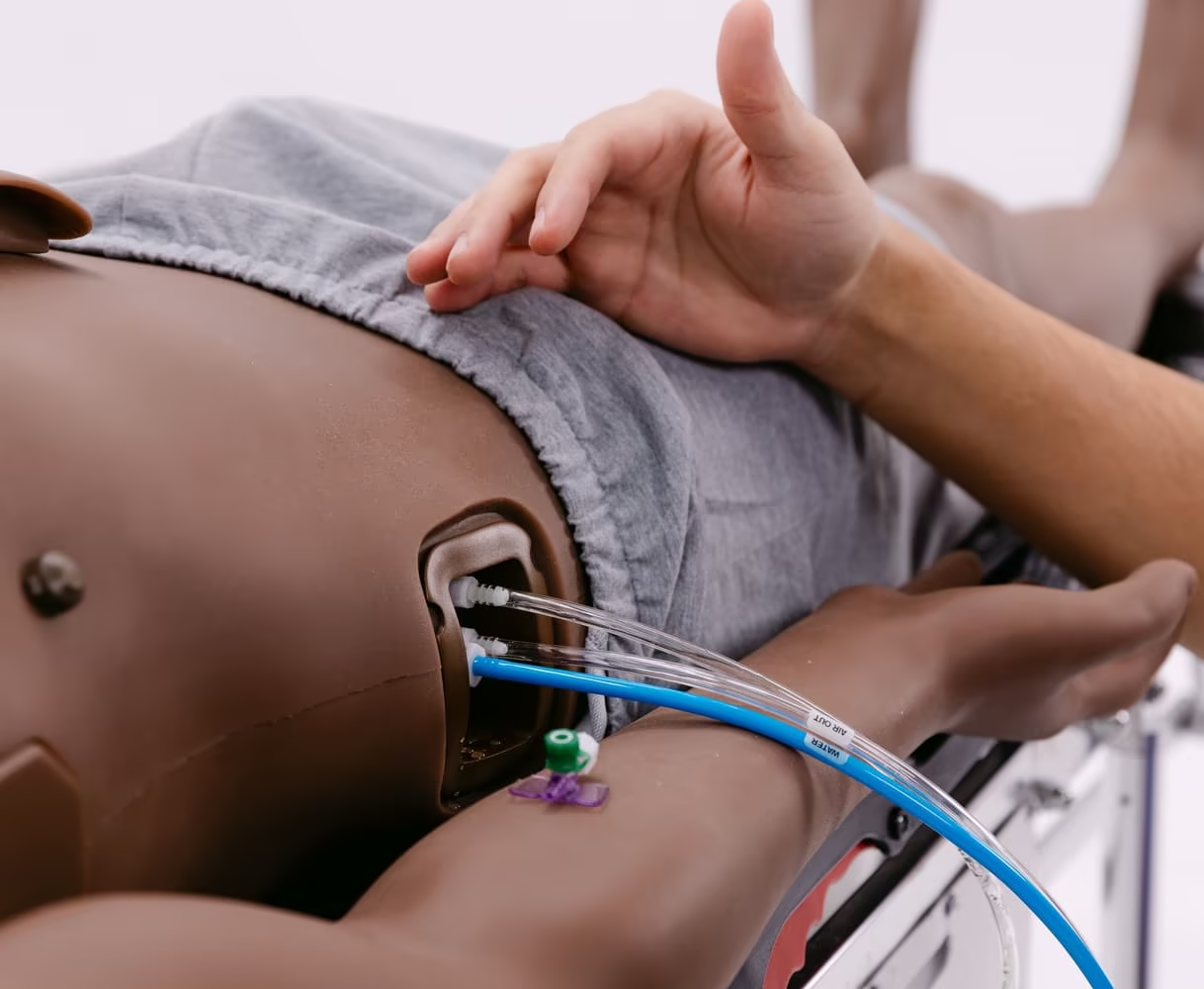
Similarly, the SonoVision system complements AR by providing a realistic ultrasound training experience. Instructors can guide learners through imaging techniques while AR overlays highlight anatomical landmarks and potential diagnostic errors. Arthur, a high-fidelity patient simulator, supports AR-enhanced emergency scenarios, enabling learners to react to real-time physiological changes and practice life-saving interventions without risk. The MATT manikin further amplifies experiential learning, replicating complex patient responses while AR systems deliver visual cues, annotations, and procedural prompts to guide each step.
Through these tools, MedVision ensures that AR simulation is not purely visual but a holistic educational experience, combining technical skills, critical thinking, and decision-making under realistic conditions. By integrating physical manikins with virtual enhancements, nursing and medical trainees gain confidence, competence, and preparedness for the multifaceted challenges of modern healthcare.
Why AR Simulation Matters in Healthcare Training
Augmented reality simulation transforms traditional medical training by creating a safe, repeatable, and immersive learning environment. Students can rehearse procedures, make mistakes, and receive immediate feedback without compromising patient safety. AR enhances the realism of simulations, from emergency response drills to diagnostic procedures, ensuring that learners are prepared for high-stakes clinical situations. The combination of tactile manikins and virtual overlays supports diverse learning styles, reinforces memory retention, and bridges the gap between theoretical knowledge and practical execution.
Frequently Asked Questions
What is augmented reality simulation in healthcare?
Augmented reality simulation is a training approach that overlays digital information onto physical environments or manikins. It allows medical and nursing students to practice procedures, visualize anatomy, and respond to dynamic patient scenarios safely and interactively.
How does AR improve learning outcomes?
AR enhances learning by creating immersive, repeatable experiences. Students can rehearse complex procedures, receive instant feedback, and improve retention without risk to real patients, bridging theory and practice effectively.
Can AR simulation be used with physical manikins?
Yes. Tools like MedVision’s Anatomy Table, Arthur, and MATT integrate with AR systems, combining tactile practice with virtual overlays that highlight anatomy, vital signs, and procedural cues.
What are the benefits of using AR simulation over traditional methods?
Benefits include enhanced engagement, improved procedural accuracy, safe error exploration, personalized feedback, and the ability to replicate rare or high-risk scenarios without real-world consequences.
Immerse yourself in a demo to see how MedVision transforms traditional learning into an engaging, interactive experience

Subscribe for the Latest News!