

Building a Meaningful Relationship to the Patient
What Is the Relationship to the Patient?
The relationship to the patient is the cornerstone of modern nursing, representing a dynamic and reciprocal connection built on empathy, trust, and mutual understanding. In clinical practice, it refers to the professional bond that allows a nurse to perceive not only the medical condition but also the emotional and psychological state of each patient. According to the American Nurses Association, a strong relation to patient enhances safety, satisfaction, and treatment adherence - transforming care from a series of procedures into a profoundly human experience.
A healthy relationship to the patient involves more than polite communication; it encompasses attentive listening, emotional intelligence, and a genuine respect for personal dignity. Nurses who cultivate this connection become advocates, educators, and healers simultaneously, guiding patients through both physical recovery and emotional resilience.

The Role of Empathy and Emotional Intelligence in the Relationship to the Patient
At the heart of every successful relationship to the patient lies empathy - the ability to feel with rather than merely for another person. In nursing, empathy transforms routine interactions into moments of genuine connection. When a nurse perceives the fears, hopes, and vulnerabilities of a patient, care becomes deeply personal. This emotional awareness, often strengthened through training and reflective practice, allows the nurse to respond not just to symptoms but to the person behind them.
Emotional intelligence amplifies this empathy, guiding how nurses communicate and make decisions in challenging circumstances. A nurse with high emotional intelligence can read subtle shifts in tone or posture, sense discomfort, and adjust communication accordingly. Such intuitive adaptation strengthens the relation to patient and builds trust, which is crucial in environments where patients often feel exposed or powerless.
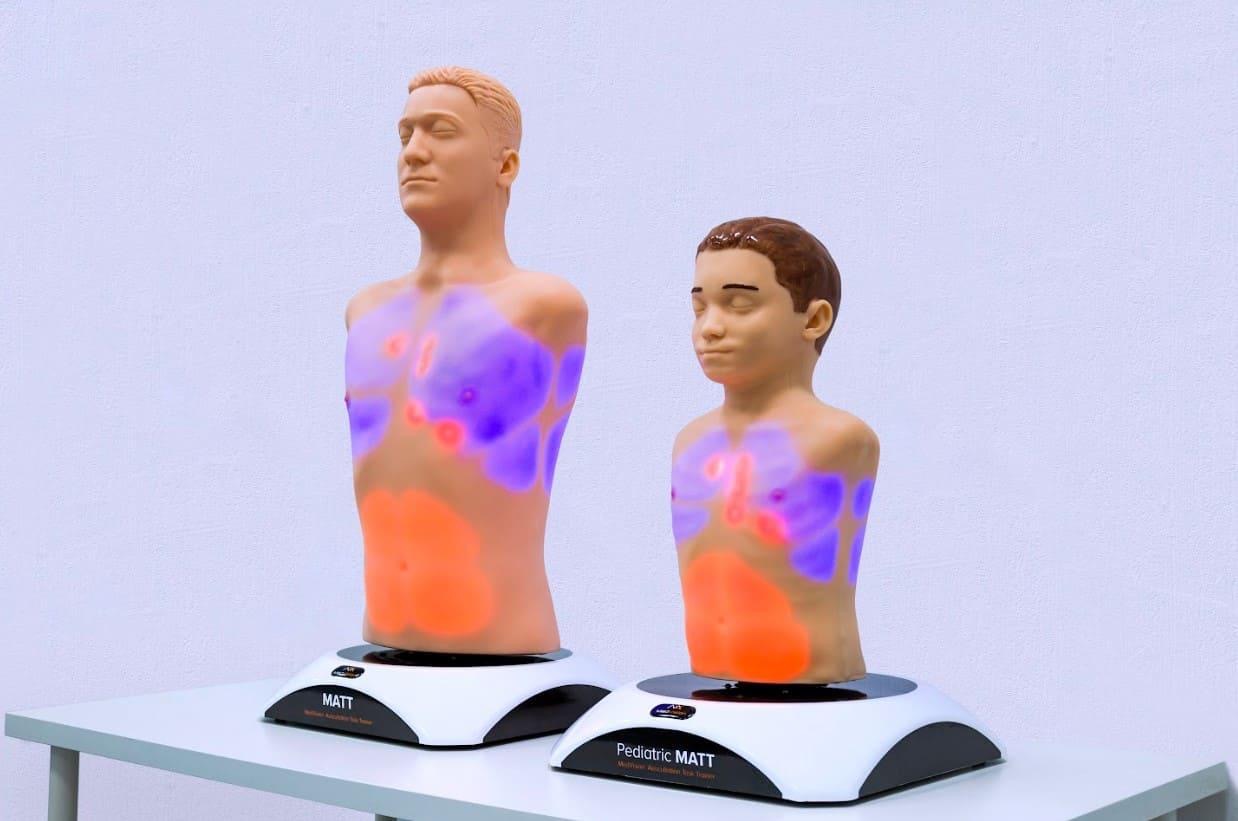
Developing this sensitivity requires both natural compassion and structured learning. Simulation-based training - such as that provided by MedVision’s advanced systems - allows nurses to practice high-stakes interactions in realistic clinical settings. Tools like MATT or Arthur recreate lifelike patient responses, helping future professionals refine tone, timing, and therapeutic communication long before they meet real patients.
Communication as the Foundation of Trust
No relationship to the patient can thrive without clear and compassionate communication. Words, gestures, and even silence hold meaning within a healthcare context. A nurse’s ability to explain complex procedures, discuss treatment options, or offer reassurance directly influences a patient’s sense of safety and cooperation.
Effective communication means more than relaying information - it involves active listening and confirming understanding. Nurses often serve as interpreters between medical jargon and human experience, translating technical terms into language that empowers rather than intimidates. Through consistent, honest dialogue, the relation to patient becomes collaborative, reinforcing the shared goal of healing.
In our digital era, communication extends beyond spoken language. With technologies like MedVision’s simulation platforms, nursing students can now rehearse delicate conversations, such as delivering bad news or obtaining informed consent, in controlled yet emotionally realistic scenarios. These experiences cultivate confidence and integrity, ensuring that when real patients sit before them, the connection is authentic and trustworthy.

Ethical Boundaries and Professionalism in the Relation to Patient
Establishing a strong relationship to the patient requires a careful balance between empathy and professional boundaries. Nurses must be emotionally present while maintaining objectivity, ensuring that personal feelings never compromise clinical judgment. This balance safeguards both the patient’s well-being and the nurse’s ethical integrity.
Professionalism in nursing entails respecting privacy, obtaining informed consent, and honoring cultural and personal values. Each interaction should reflect the nurse’s commitment to dignity, demonstrating that the relation to patient is built on mutual respect rather than familiarity alone. This conscientious approach reassures patients that their care is thoughtful, unbiased, and guided by evidence-based practices.
Simulation tools, such as MedVision’s Anatomy Table or SonoVision, allow nurses to practice ethical decision-making in complex clinical scenarios. By rehearsing interventions in a controlled environment, nurses learn to navigate difficult conversations, triage priorities, and manage emotional responses without risking harm to real patients. Over time, these experiences cultivate a professional poise that strengthens trust in every relation to patient.
How Trust Shapes Patient Outcomes
Trust is the invisible thread that binds nurses and patients. A robust relationship to the patient enhances adherence to treatment plans, reduces anxiety, and improves overall health outcomes. When patients perceive that their caregivers genuinely understand and respect them, they are more likely to communicate openly, report symptoms promptly, and participate actively in their recovery.
The relation to patient is reinforced by consistency, transparency, and reliability. Simple acts - remembering preferences, explaining procedures thoroughly, and following through on commitments - accumulate into a powerful message: “I see you, and I am here for you.” MedVision’s interactive simulators, including Arthur and MATT, enable nurses to practice these small yet impactful gestures repeatedly, ensuring that real-world interactions feel intuitive and authentic.
The Heart of Nursing
In nursing, the relationship to the patient is not a peripheral skill but the core of professional practice. Every interaction, whether routine or critical, shapes trust, informs care, and influences outcomes. MedVision’s simulators provide indispensable tools for mastering these interactions, allowing nurses to practice empathy, communication, and professionalism in a controlled environment.
By combining technical competence with emotional intelligence, nurses can cultivate meaningful relations to patient, creating a foundation for safer, more effective, and more humane healthcare. The ongoing commitment to understanding, respecting, and connecting with patients ensures that every professional action contributes not just to treatment, but to holistic healing and well-being.
Frequently Asked Questions (Q&A)
1. Why is the relationship to the patient important in nursing?
The relationship to the patient forms the foundation of effective care. It builds trust, improves communication, and enhances patient outcomes. Strong relations to patient ensure that care is personalized, empathetic, and safe.
2. How can nurses improve their relation to patient?
Nurses can improve their relation to patient by practicing active listening, clear communication, and empathy. Simulation tools like MedVision’s Anatomy Table, Arthur, and MATT help nurses rehearse patient interactions and refine their approach to diverse patient needs.
3. What role does empathy play in patient care?
Empathy is central to the relationship to the patient. Understanding a patient’s feelings and perspectives fosters trust, encourages cooperation, and creates a supportive environment for recovery.
4. Can technology enhance the relationship to the patient?
Yes. Simulation platforms like those from MedVision allow nurses to practice realistic scenarios safely. This builds confidence, improves communication skills, and strengthens the relation to patient before real-life application.
5. How do personalized approaches affect patient relationships?
Personalization - such as remembering preferences or acknowledging emotional states - deepens the relationship to the patient. It demonstrates respect, attention, and care, which are essential for holistic nursing practice.
Immerse yourself in a demo to see how MedVision transforms traditional learning into an engaging, interactive experience


Subscribe for the Latest News!