
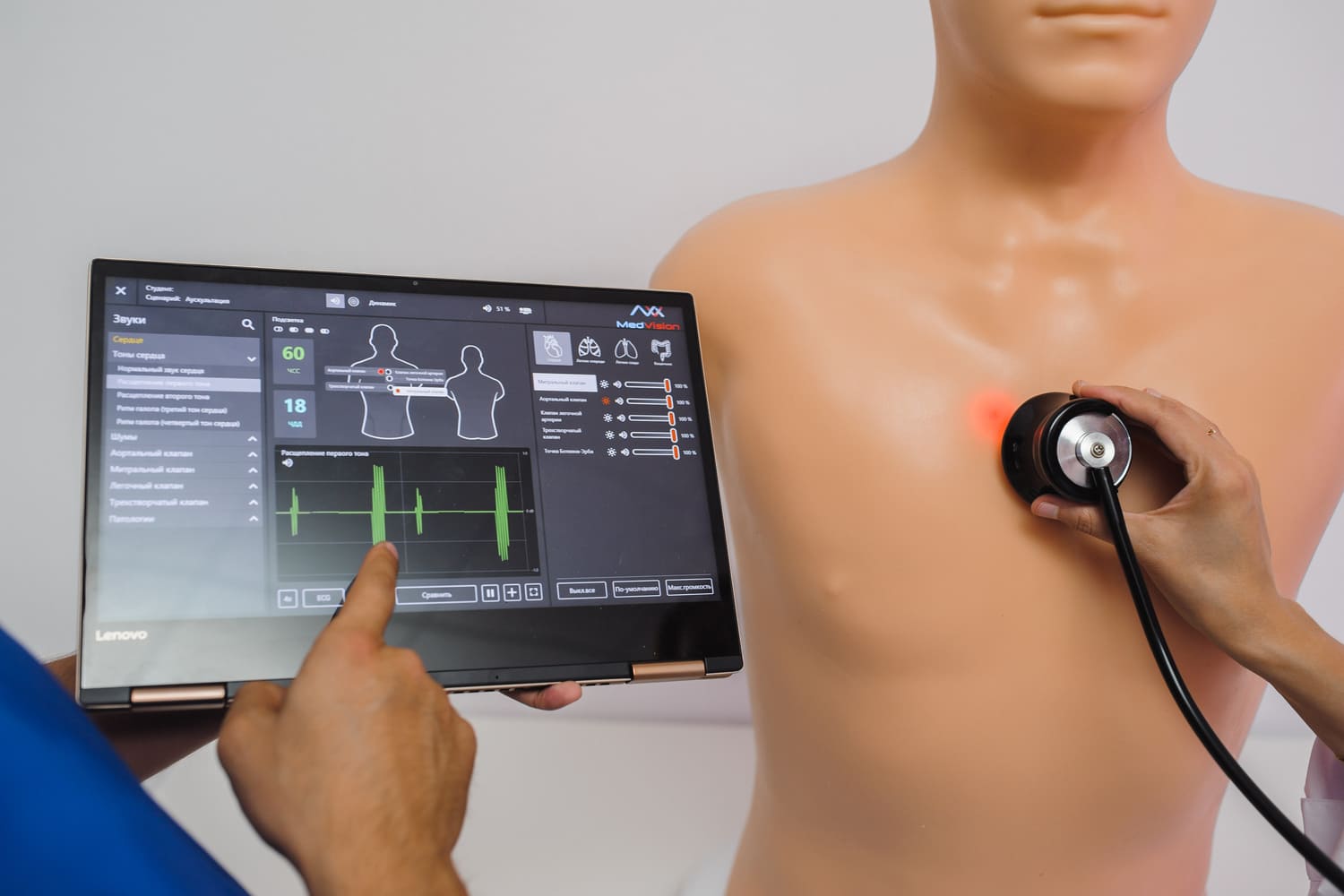
Cardiology Simulator Training: Elevating Cardiovascular Education
The landscape of cardiovascular medicine is incredibly unforgiving. In this high-stakes environment, the integration of rigorous cardiology simulator training has become a fundamental pillar of modern medical training and education. Historically, acquiring complex cardiovascular skills relied heavily on an apprenticeship model, where a novice learned directly on live patients under the supervision of a senior physician. Today, the rapid advancement of the high-fidelity simulator allows institutions to adopt a fully competency-based paradigm. By utilizing advanced simulation, educators ensure that a practitioner develops absolute mastery over critical procedures before they ever attempt an intervention on a human heart.
The Paradigm Shift in Cardiovascular Training and Education
Implementing comprehensive cardiology simulator training represents a massive paradigm shift in how we prepare the next generation of physicians. Cardiovascular disease remains the leading cause of global mortality, meaning that the training of future specialists must be absolutely flawless. A modern simulator bridges the perilous gap between theoretical textbook knowledge and real-world clinical application.
Whether the focus is on diagnostic ultrasound or advanced endovascular interventions, simulation provides a zero-risk training environment. In a dedicated simulator laboratory, a trainee can encounter a rare, life-threatening cardiology crisis — such as an acute aortic dissection or sudden cardiac arrest — and manage it repeatedly. This repetitive training on a simulator builds profound muscle memory and cognitive resilience. The overarching goal of simulation is to transform a highly stressful, unpredictable clinical scenario into a familiar, manageable protocol through relentless, targeted training.
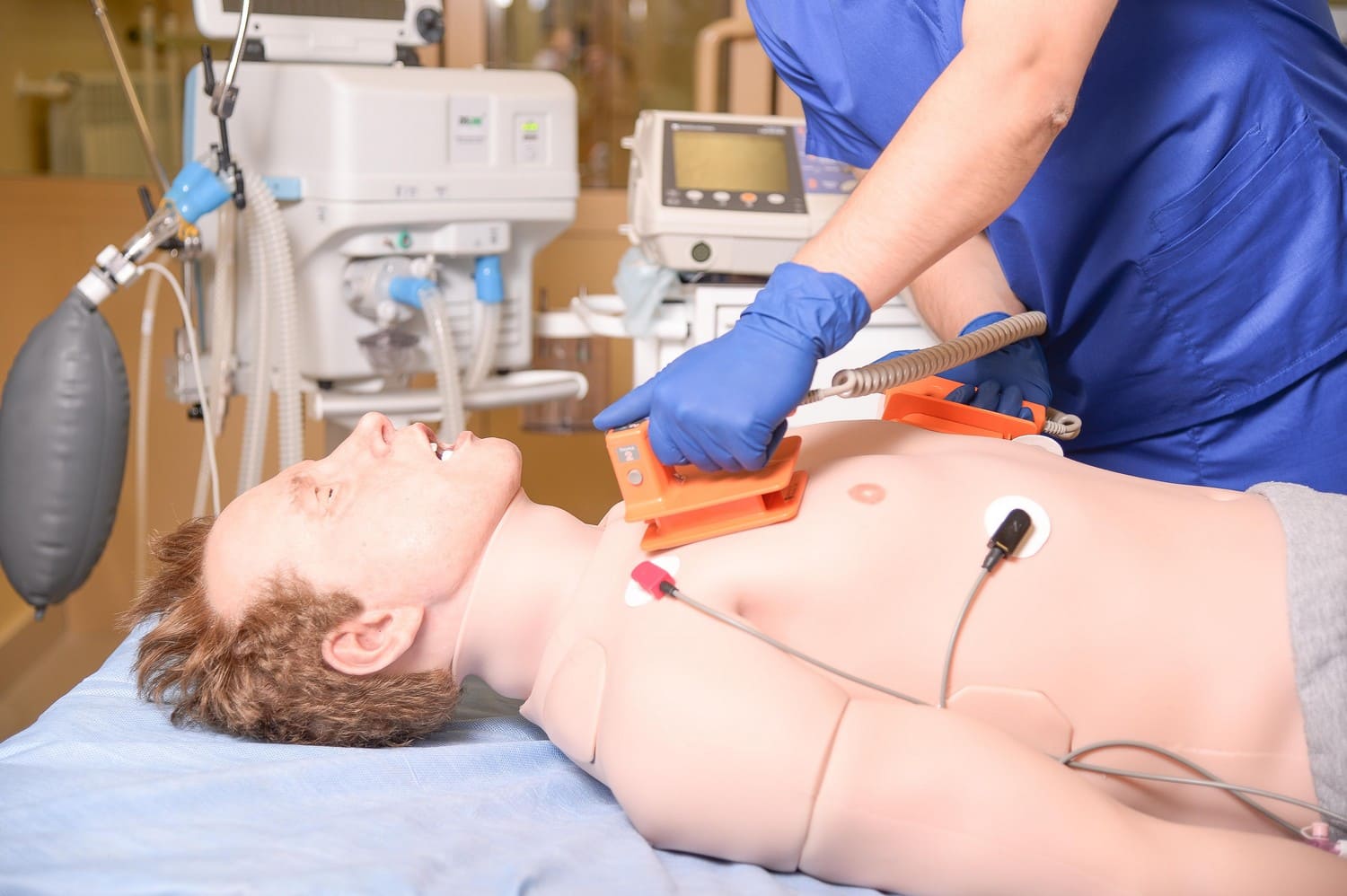
Primary Training Modalities of the Cardiology Simulator
To fully understand the scope of modern cardiology simulator training, it is essential to categorize the diverse array of simulators available to academic institutions. Each simulation modality targets a highly specific set of clinical competencies and utilizes vastly different underlying technologies.
High-Fidelity Interventional Simulators
The absolute cornerstone of modern interventional training is the high-fidelity endovascular simulator. These highly sophisticated simulation systems utilize powerful haptic feedback mechanisms and virtual reality screens to replicate the exact tactile sensation of navigating catheters and guidewires through the complex human vascular system.
When a cardiology fellow engages in cardiology simulator training using these devices, they experience the precise physical resistance of calcified arterial lesions. The simulator screen accurately projects simulated fluoroscopic imaging, perfectly mimicking the X-ray environment of a real catheterization lab. This level of simulation allows for the exhaustive training of coronary angioplasty, stent placement, and transcatheter aortic valve replacement (TAVR) without exposing the learner — or the patient — to dangerous ionizing radiation. The simulator can safely recreate coronary artery perforations, allowing the fellow to practice emergency bailout skills in a completely controlled simulation.
Echocardiography and Imaging Simulators
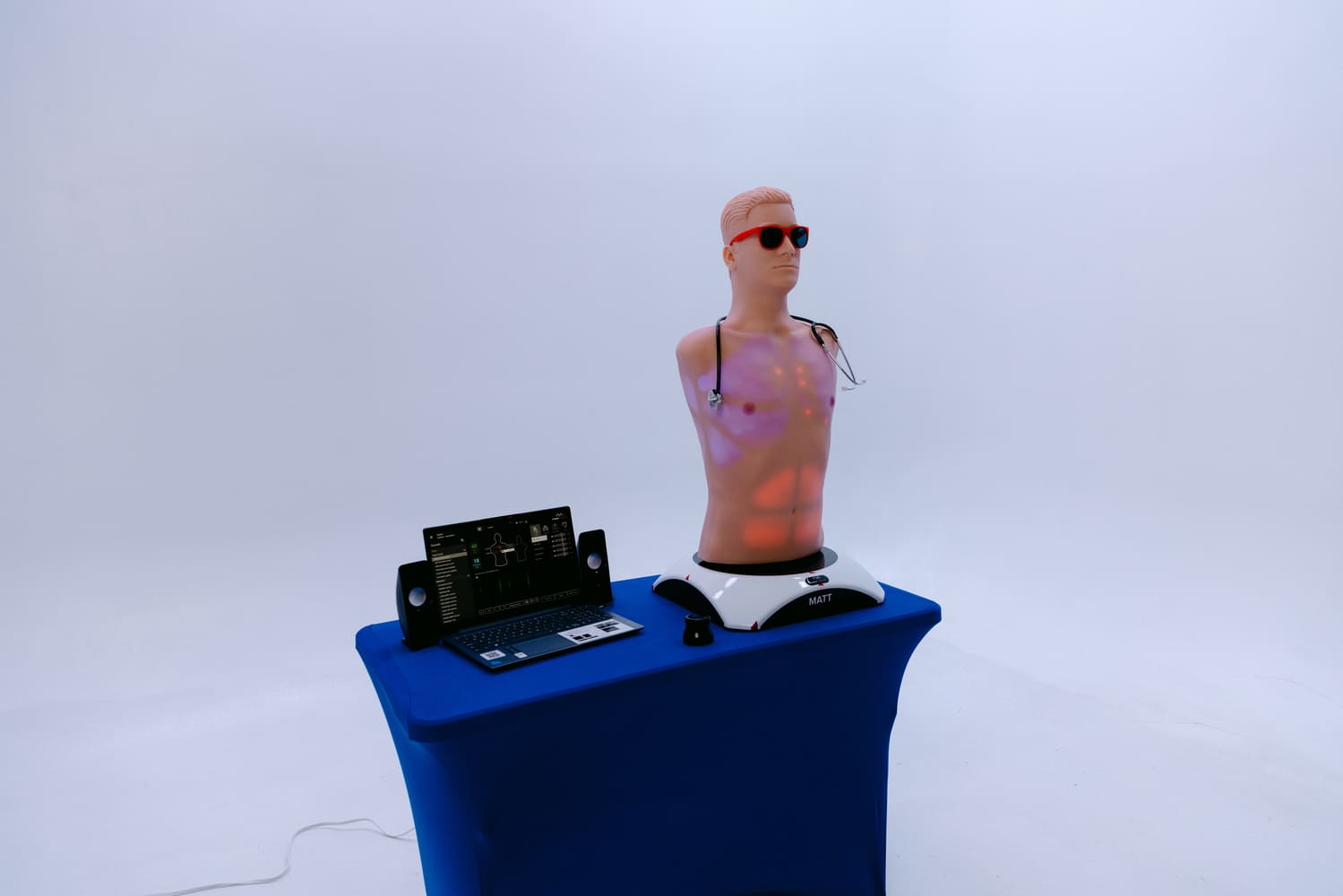
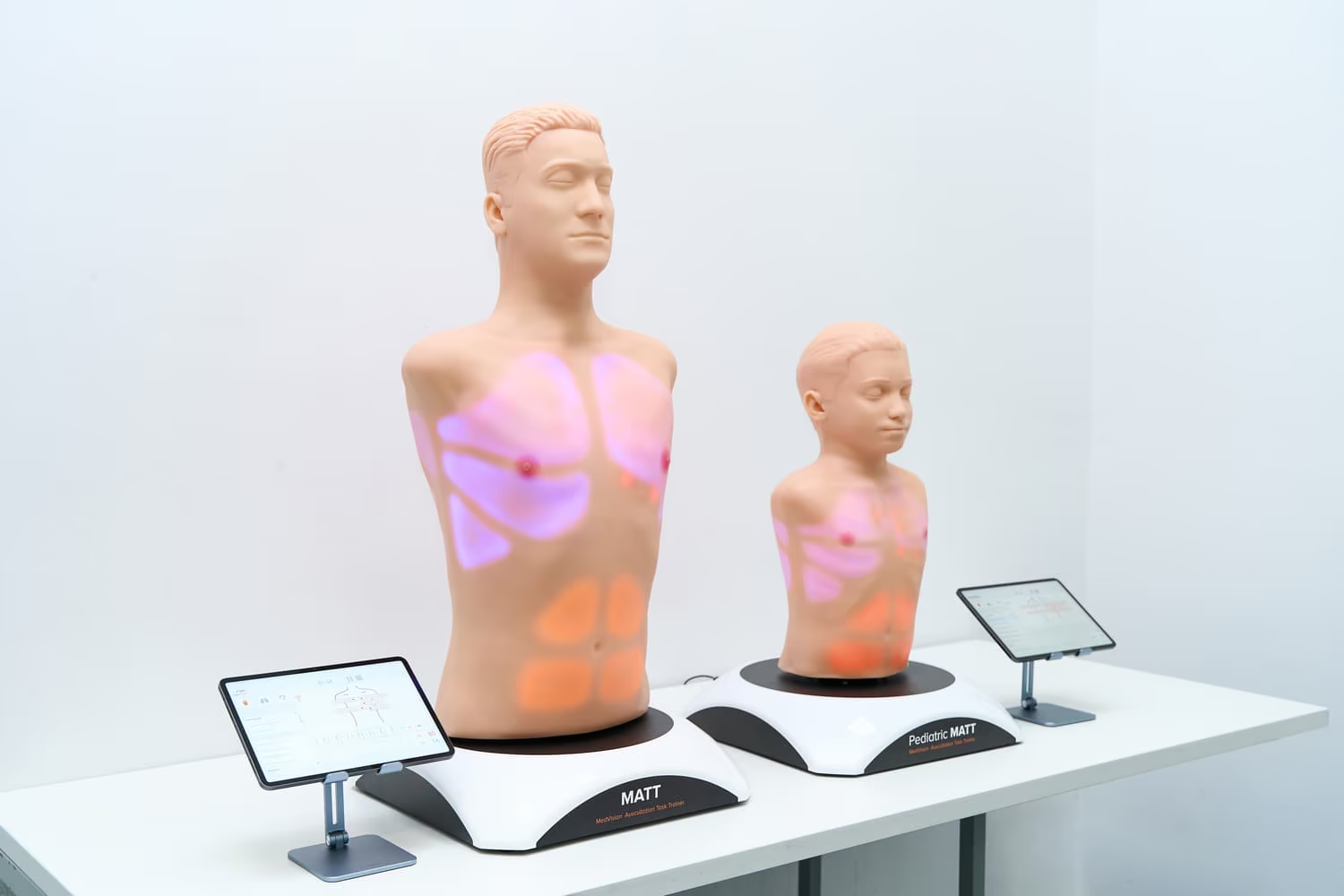
Diagnostic accuracy is the bedrock of clinical cardiology training. An echocardiography simulator typically utilizes an augmented reality mannequin combined with an actual ultrasound probe to teach complex 3D spatial anatomy. During this specific training, the simulator correlates the physical angle of the probe on the mannequin's chest with a digital rendering of a beating heart on the monitor.
This simulation is indispensable for training in transesophageal echocardiography (TEE) and transthoracic echocardiography (TTE). By engaging in this intensive simulator training, students learn to rapidly identify complex valvular diseases and congenital defects. Furthermore, the simulation software can load hundreds of pathological datasets, ensuring the training program covers rare cardiology conditions that a student might not encounter for years in a standard, patient-based clinical setting.
Surgical and Open-Heart Simulation Models
While catheter-based therapies are rapidly expanding, traditional open-heart procedures remain a vital component of cardiovascular care. A surgical simulator for cardiothoracic training often involves highly realistic, 3D-printed synthetic hearts or specially prepared tissue models integrated into a pulsatile pumping system.
This physical simulation allows surgical residents to practice highly delicate maneuvers, such as coronary artery bypass grafting (CABG) or mitral valve repair. In this physical simulator environment, the training focuses heavily on tissue handling, precise suturing, and managing the cardiopulmonary bypass circuit. The physical resistance provided by the surgical simulator ensures that the tactile feedback is entirely authentic, making the training directly transferable to the operating room.
The Role of Objective Assessment in Simulation
One of the most significant advantages of integrating a modern simulator into cardiology education is the capacity for completely objective assessment. In traditional training, evaluating a resident’s competence was largely subjective. Today, a digital simulator meticulously tracks every micro-movement during a simulation.
The simulator records the exact time taken to deploy a stent, the total volume of contrast dye utilized, and the number of times a virtual catheter inappropriately scraped the delicate aortic wall. This metric-based data allows cardiology program directors to validate a learner's technical skills through hard, undeniable evidence. A trainee cannot advance from early simulation training to live patient care until the simulator unequivocally confirms their absolute clinical proficiency.
Acute Care Simulation and Crisis Management in Cardiology
The unpredictable nature of cardiology demands that medical teams be prepared for catastrophic, rapidly evolving clinical events. A high-fidelity full-body simulator provides an unparalleled platform for acute care simulation. In a simulated catheterization laboratory, a routine training scenario can instantly evolve into a lethal arrhythmia, coronary artery dissection, or pericardial tamponade. Managing these high-stress events requires more than just technical skills; it requires immense cognitive flexibility and rapid decision-making.
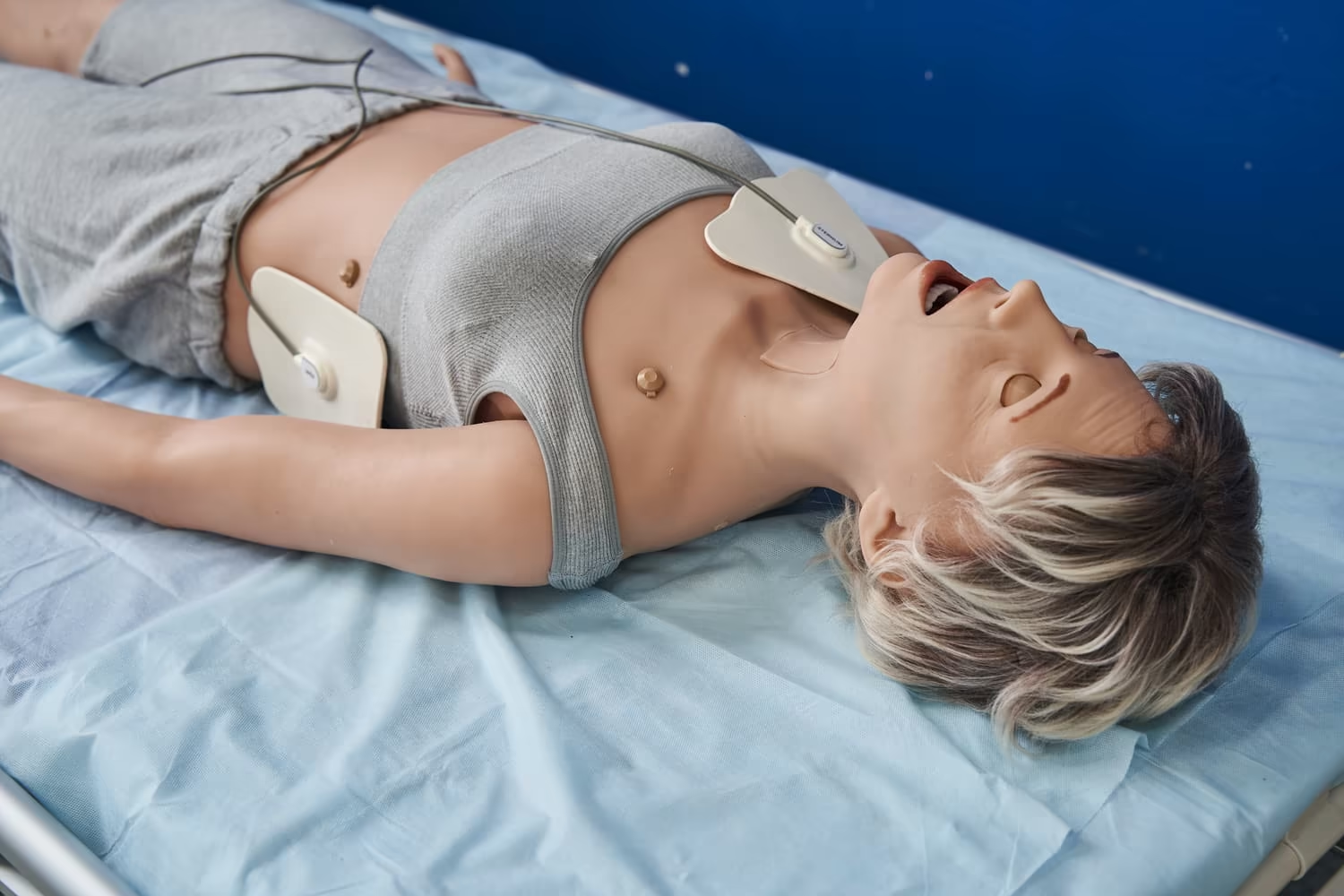
Through rigorous simulator training, practitioners learn to rapidly interpret complex physiological data from the simulator monitors, initiate advanced cardiac life support (ACLS), and execute emergency interventional protocols. This dynamic simulation ensures that when a real cardiology crisis occurs in the hospital, the clinical response is immediate, precise, and automatic, strictly based on deeply ingrained training algorithms.
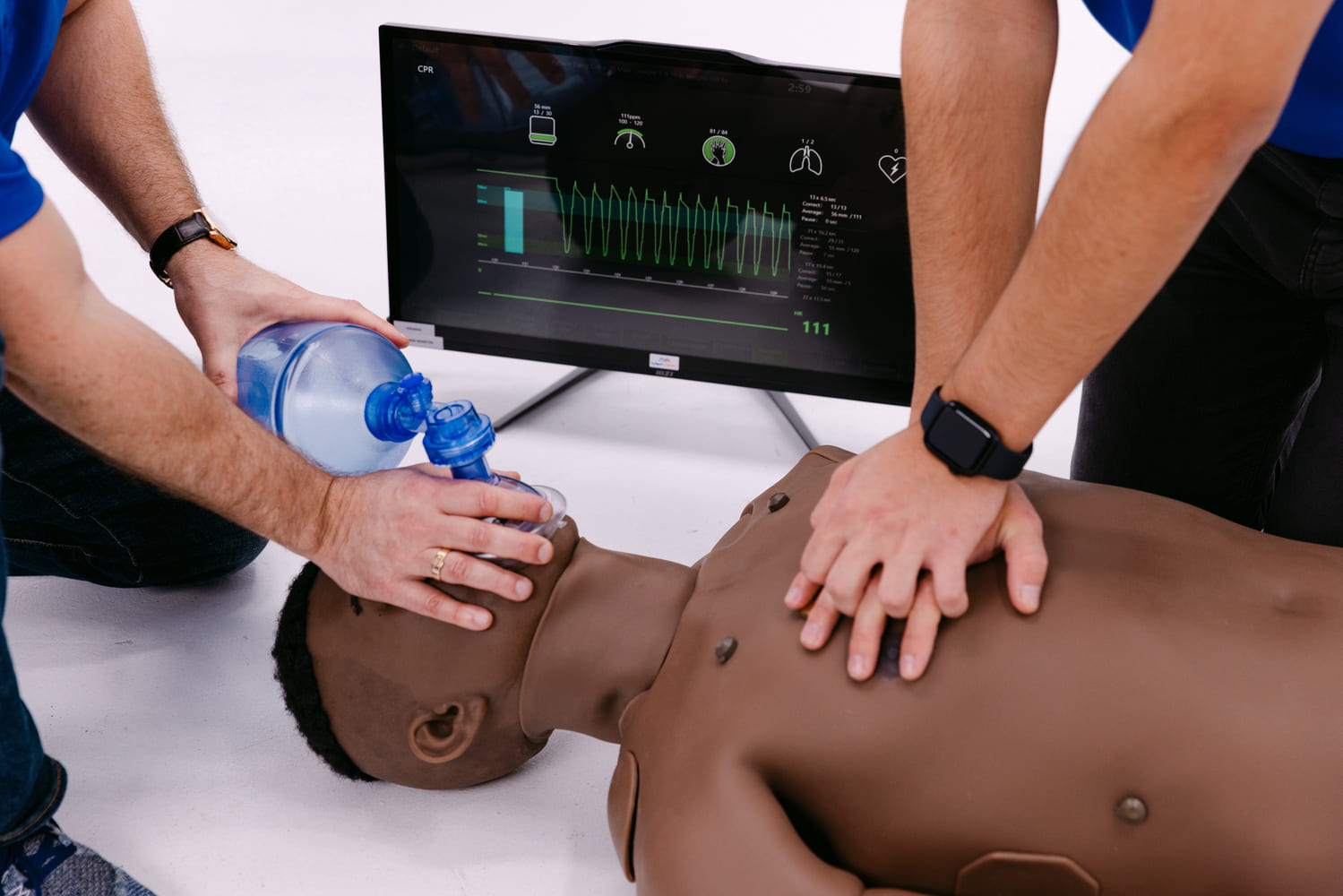
Team-Based Dynamics and CRM Simulation
Cardiovascular procedures are almost never solitary endeavors. A successful interventional or surgical procedure relies entirely on the flawless synchronization of a multidisciplinary team, including the primary operator, attending nurses, radiologic technologists, and anesthesiologists. Therefore, advanced cardiology simulator training heavily emphasizes Crisis Resource Management (CRM).
By placing the entire medical team into a highly realistic simulation environment, training directors can meticulously evaluate collective communication and leadership dynamics. If a virtual patient on the simulator experiences sudden hemodynamic collapse, the simulation intentionally focuses on how effectively the team leader delegates critical tasks, shares the mental model, and maintains broad situational awareness. This team-based training is absolutely vital in modern cardiology, as major clinical errors frequently stem from communication breakdowns rather than a fundamental lack of individual surgical or technical skills. The simulator acts as an objective mirror, reflecting the team's operational dynamics and allowing for highly constructive, video-assisted debriefing immediately following the training session.
Accelerating the Learning Curve in Cardiovascular Training
The traditional learning curve in clinical cardiology is historically steep and fraught with inherent risks to patient safety. Before the widespread adoption of the modern simulator, a fellow required hundreds of live patient cases to achieve baseline proficiency in complex interventional techniques. Today, intensive simulation fundamentally alters this educational trajectory.
By front-loading intensive psychomotor training onto a simulator, learners bypass the most dangerous phases of the training and learning curve in a completely risk-free environment. A dedicated simulation curriculum allows a trainee to repeat a highly complex bifurcation stenting procedure or a transseptal puncture twenty times in a single afternoon. This high-volume, highly concentrated repetitive training is physically and ethically impossible in a live clinical setting. Consequently, when a resident ultimately transitions from simulator training to treating actual cardiology patients, they already possess robust spatial awareness, refined hand-eye coordination, and deep procedural confidence. The simulator essentially compresses years of rare, highly variable clinical exposure into months of efficient, standardized simulation training.
The Physics and Engineering of Haptic Simulation
To fully appreciate the validity and educational power of modern cardiology simulator training, one must delve into the complex physics of haptic force-feedback mechanisms. In the highly delicate realm of interventional cardiology, tactile feedback is arguably the single most critical sensory input. An operator must literally "feel" the microscopic difference between navigating a soft lipid plaque and a heavily calcified endothelium using only a thin metal guidewire.
A premium endovascular simulator achieves this remarkable simulation fidelity through ultra-high-frequency servo motors and immensely sophisticated algorithmic computing. When a trainee advances a physical wire or catheter into the simulator, the internal computing system calculates the simulated vascular friction, the exact anatomical curvature, and the pathological tissue resistance thousands of times per second.
This robust technological architecture ensures that the physical haptic response delivered by the simulator is completely instantaneous, completely eliminating any artificial mechanical lag. If a simulator produces a delayed or inaccurate tactile response, the training becomes actively detrimental, potentially teaching the learner incorrect and dangerous force application skills. Therefore, the absolute success of any cardiology simulator training program is strictly based on the underlying mechanical resolution of the simulator. As engineering capabilities continue to expand, the haptic realism of the modern simulation system increasingly mirrors the exact physical sensations experienced during live surgical and endovascular interventions.
Patient-Specific Simulation via 3D Printing Technologies
The integration of advanced 3D printing technology with the traditional cardiology simulator has radically revolutionized preoperative planning and highly complex procedural training. Historically, preclinical simulation was heavily limited to generalized, anatomically generic synthetic models. However, modern cardiology simulator training frequently utilizes patient-specific simulation methodologies. By seamlessly converting a patient's CT or MRI diagnostic scans into a highly detailed 3D-printed physical model, biomedical engineers can create a bespoke simulator representing that exact individual's unique cardiovascular anatomy.
This highly personalized simulation is absolutely critical for planning unprecedented, high-risk structural interventional procedures. Before attempting a difficult transcatheter valve replacement or a complex left atrial appendage occlusion, the clinical team can physically connect the customized 3D-printed heart to a pulsatile hemodynamic flow simulator. This advanced simulation allows the primary operator to execute multiple trial runs, selecting the precise medical device size and practicing the exact navigational skills required for that specific patient's anatomy. This patient-based approach transforms the simulator from a generalized training tool into an indispensable instrument for immediate preoperative clinical strategy. The training becomes entirely bespoke, drastically minimizing the risk of unexpected anatomical complications during the actual surgical or catheter-based intervention.
Congenital and Pediatric Cardiology Simulation
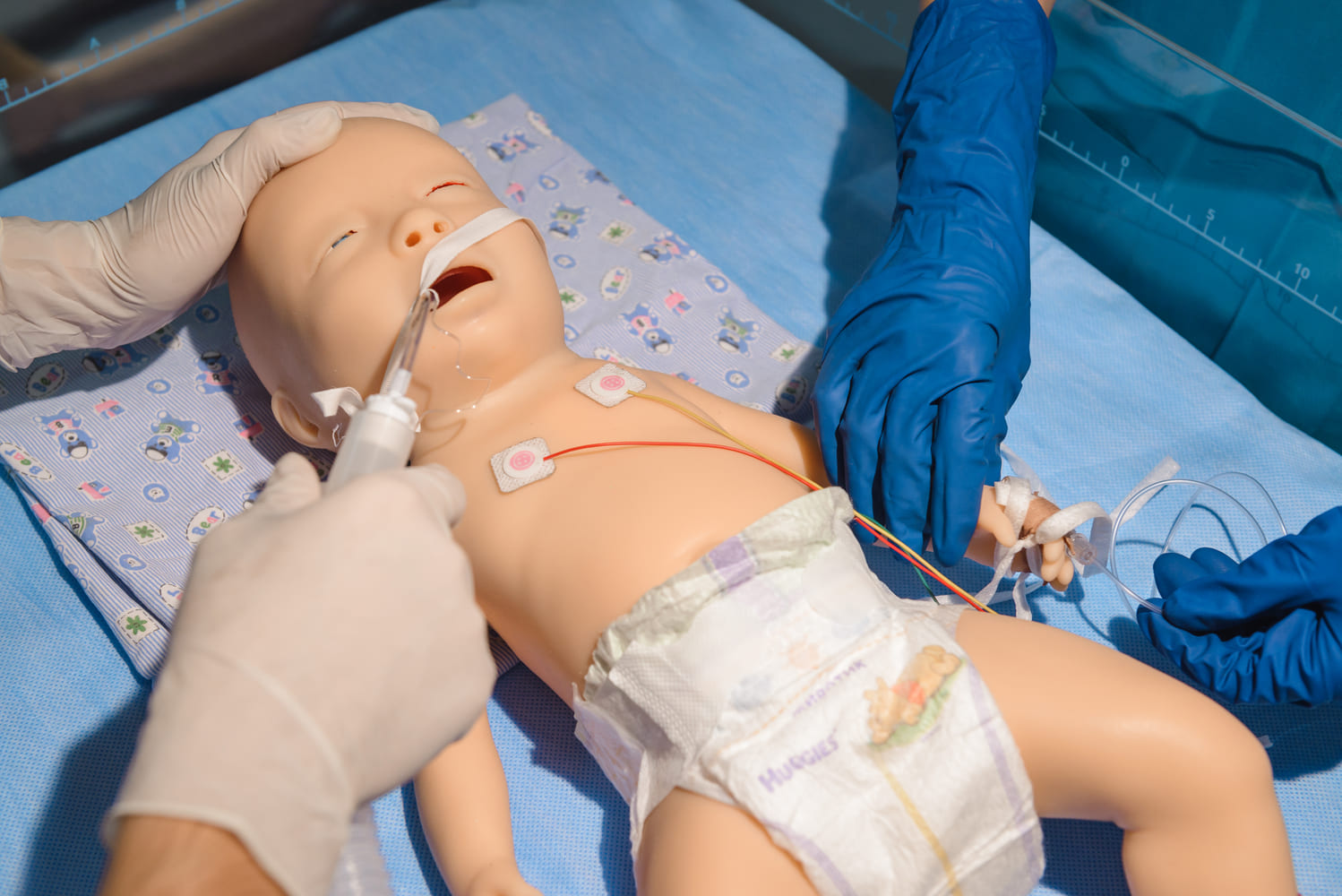
Pediatric and congenital cardiology represent arguably the most anatomically complex, high-stakes domains within the entirety of cardiovascular medicine. Because congenital heart defects are highly variable, morphologically unique, and thankfully rare, traditional clinical exposure is wholly insufficient to guarantee mastery. A specialized pediatric simulator is, therefore, an absolute necessity for safe, effective training.
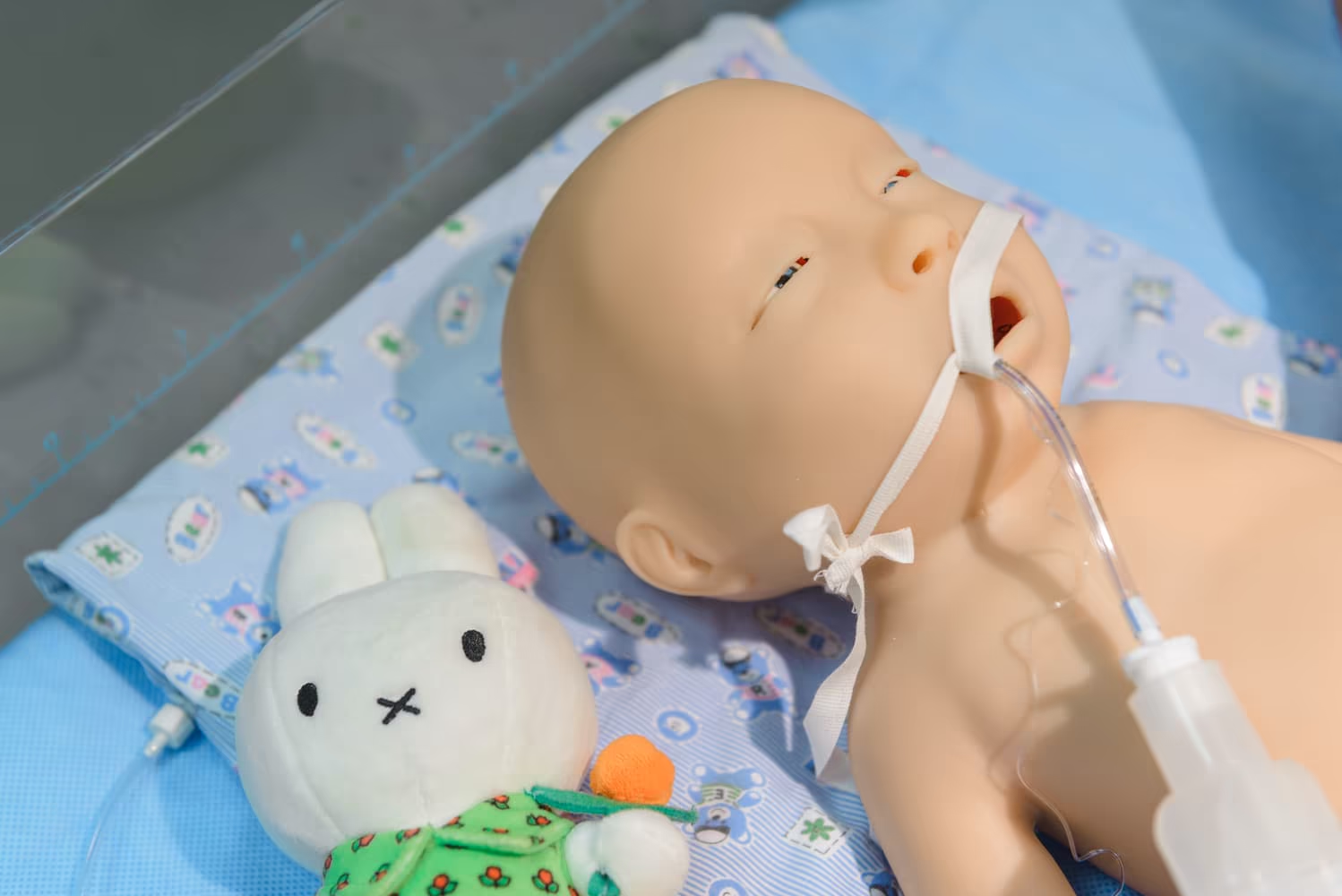
A pediatric cardiology simulator must perfectly replicate incredibly delicate tissues and minute, fragile vascular structures. Simulation training in this highly specialized field often involves exceptionally detailed virtual reality models or specialized, small-scale physical simulators explicitly designed to mimic neonatal physiology. For example, practicing a balloon atrial septostomy or a complex neonatal stent placement requires extraordinary spatial awareness and exceedingly fine psychomotor skills. By utilizing a high-fidelity pediatric simulator, clinical fellows can repeatedly engage in targeted cardiology simulator training focusing specifically on rare anomalies, such as Tetralogy of Fallot or hypoplastic left heart syndrome. This concentrated simulation guarantees that when these incredibly vulnerable patients present in the intensive care unit, the medical team is fully prepared to execute the intervention safely, strictly based on countless hours of rigorous, specialized simulator training.
Board Certification and the Future of Standardized Testing
The profound impact of the high-fidelity simulator extends significantly beyond the walls of the academic training hospital; it is rapidly reshaping the landscape of national board certification and continuing medical training and education. Professional regulatory bodies and medical societies are increasingly integrating objective simulation into their high-stakes credentialing examinations. In the past, effectively evaluating a physician's practical cardiology skills for official board certification was a logistically difficult endeavor to standardize.
Today, a comprehensive digital simulator provides an absolutely level playing field for all clinical examinees. During a standardized board examination, every single candidate interacts with the exact same simulation scenario, utilizing the exact same simulator hardware, and facing the exact same virtual pathological resistance. The internal simulator computing system instantly generates an impartial algorithmic report rigorously evaluating the candidate's volumetric accuracy, total procedure time, and fluoroscopic radiation management. This standardized, metric-based assessment completely eliminates human grader bias and subjective evaluation. Consequently, mandatory cardiology simulator training and subsequent simulator-driven examination are rapidly becoming the undisputed gold standard for verifying that an interventional or surgical practitioner maintains the absolute highest level of clinical competence throughout the duration of their entire career.
The Economic Viability and ROI of the Simulator Laboratory
Establishing a dedicated, world-class cardiology simulator training center requires a formidable initial capital expenditure. High-fidelity endovascular simulators, augmented reality echocardiography mannequins, and advanced computing infrastructure demand significant institutional funding. However, an accurate financial analysis of modern simulation must extend far beyond the initial purchase price of the simulator.
When academic directors evaluate the Total Cost of Ownership (TCO), they quickly realize that the Return on Investment (ROI) of a simulator is exceptionally high. First, extensive training on a simulator drastically reduces the clinical time required in an actual catheterization laboratory. Live cath lab time is monumentally expensive; every minute a senior attending physician spends teaching fundamental wire navigation skills to a fellow on a live patient is a minute lost for billable, high-complexity interventional procedures. By transferring foundational and intermediate training entirely to the simulation lab, the hospital optimizes its most expensive clinical real estate.
Furthermore, a comprehensive simulator training curriculum drastically mitigates institutional liability. Medical errors in cardiology often result in catastrophic patient outcomes and massive malpractice litigation. A rigorous, competency-based training paradigm utilizing continuous simulation acts as a powerful prophylactic against clinical mistakes. The financial savings generated by preventing just one major surgical or interventional complication effortlessly justifies the entire operational cost of a high-end cardiology simulator for an entire decade.
Cognitive Load Theory in Cardiology Simulation
Another critical dimension of a comprehensive cardiology simulator training program is its profound alignment with the educational psychology of Cognitive Load Theory. The environment of a live interventional suite or an open-heart surgical operating room is cognitively overwhelming. A first-year fellow attempting a procedure on a live patient must simultaneously manage patient hemodynamics, operate complex fluoroscopic pedals, communicate with the attending physician, and execute delicate psychomotor skills. This massive extraneous cognitive load actively impedes the training process.
The fundamental genius of the modern simulator is its ability to aggressively manage and titrate this cognitive burden. A digital simulation allows training educators to completely isolate specific variables. During early training, a learner can focus entirely on the spatial geometry of a coronary artery on the simulator monitor, without the distracting alarms of an electrocardiogram or the pressure of a deteriorating patient. Once the core psychomotor skills are permanently ingrained, the instructor can seamlessly increase the difficulty of the simulation, layering on team-based communication challenges and acute patient decompensation. This highly structured, stepwise training on a simulator ensures that the learner’s working memory is dedicated exclusively to acquiring the necessary clinical competence, accelerating mastery in the notoriously difficult field of cardiology.
The Future: AI-Driven Cardiology Simulation
As we look toward the immediate future of cardiovascular training and education, the integration of Artificial Intelligence (AI) into the simulator ecosystem will create the ultimate training platform. The next generation of the cardiology simulator will not merely record data; it will function as an active, autonomous surgical mentor. An AI-enhanced simulation system will continuously analyze the fellow's endovascular skills in real-time, utilizing predictive algorithms to proactively warn the learner if their catheter angulation is likely to cause an arterial dissection within the next three seconds. This evolution will transform cardiology simulator training from a reactive assessment tool into a proactive, highly personalized, algorithmic training partnership.
Electrophysiology (EP) and Arrhythmia Management Simulation
Electrophysiology represents one of the most intellectually demanding and technically complex subspecialties within the realm of cardiology. An electrophysiologist must precisely map intricate electrical pathways inside a beating heart and perform highly targeted ablations to cure lethal arrhythmias. Historically, acquiring these complex interventional skills required years of highly stressful apprenticeship. Today, the specialized EP simulator completely transforms this training landscape.
A high-fidelity EP training and simulation system seamlessly combines physical catheter manipulation with advanced 3D cardiac mapping software. As the trainee navigates the virtual catheter into the simulated right atrium, the simulator generates a highly realistic, dynamic electrogram. The learner must interpret these complex electrical signals in real-time, deciding exactly where to deliver virtual radiofrequency energy. This competency-based training allows fellows to practice treating dangerous conditions, such as atrial fibrillation or ventricular tachycardia, in a completely zero-risk environment. If a student accidentally causes a complete heart block during the simulation, the simulator immediately resets, offering a profound learning opportunity without catastrophic patient harm. Consequently, dedicated cardiology simulator training in electrophysiology drastically shortens the time required to achieve independent clinical proficiency.
Extracorporeal Membrane Oxygenation (ECMO) Simulation
As cardiovascular medicine aggressively advances, the use of mechanical circulatory support, particularly Extracorporeal Membrane Oxygenation (ECMO), has become a critical lifeline for patients experiencing profound cardiogenic shock. Managing a massive ECMO circuit is a highly specialized, multidisciplinary endeavor that perfectly bridges the gap between interventional and surgical cardiology. A dedicated ECMO simulator is an absolute necessity for modern intensive care training.
ECMO simulation typically involves a highly modified full-body mannequin directly connected to a fully functional, fluid-pumping ECMO circuit. The internal simulator computing system tightly controls the synthetic blood flow, oxygenation levels, and simulated hemodynamic responses. During this rigorous training, the medical team must correctly cannulate the virtual patient — a highly delicate surgical skill — and rapidly troubleshoot sudden mechanical failures, such as pump thrombosis or oxygenator failure. This team-based cardiology simulator training forces practitioners to communicate effectively while managing extreme physiological variables under immense pressure. The simulator flawlessly replicates the high-stakes environment of a failing heart, ensuring that when practitioners face a real ECMO crisis, their diagnostic and technical skills are sharp, reflexive, and flawlessly executed.
The Ethical Imperative of Simulation-Based Training
Beyond the undeniable technological and educational advancements, the widespread adoption of the simulator in cardiology is driven by a profound ethical imperative. The traditional "see one, do one, teach one" medical model is increasingly viewed as ethically problematic, especially in high-risk interventional and surgical fields. Relying on live human patients for foundational training inherently exposes them to the unrefined skills and spatial inaccuracies of a novice physician.
Integrating a comprehensive cardiology simulator training curriculum fundamentally resolves this critical ethical dilemma. By mandating that all residents and clinical fellows achieve a predefined, metric-based level of absolute mastery on a simulator before ever touching a human being, academic institutions uphold the highest possible standard of patient safety. Simulation ensures that the vulnerable patient is no longer the primary training medium. Instead, the patient benefits from a confident physician who has already navigated the steepest, most dangerous portion of the learning curve on a digital simulator. This ethical shift is monumental; it transforms cardiology education from an outdated system that tolerates acceptable collateral risk into a modern framework that demands absolute pre-procedural competence through rigorous, repetitive simulation training.
Fully Immersive Virtual Reality (VR) in Cardiovascular Anatomy
A comprehensive, structural understanding of 3D spatial anatomy is the absolute foundation of all successful surgical and interventional cardiology. Traditional textbook illustrations, cadaveric dissections, and even two-dimensional echocardiograms often fail to perfectly convey the incredibly complex spatial relationships of the cardiac chambers and great vessels. To bridge this profound cognitive gap, modern cardiology simulator training increasingly relies on fully immersive Virtual Reality (VR) environments.
In a pure VR simulation, the trainee dons a high-resolution optical headset and is immediately transported directly inside a massive, beating human heart. This highly immersive simulator allows the user to physically walk through the virtual aortic valve, closely inspect the microscopic chordae tendineae, and visually map the exact trajectory required for a highly complex transseptal puncture. This type of deep visual training is completely unachievable in a physical wet-lab or through standard diagnostic imaging. By deeply engaging the learner's 3D spatial memory, the VR simulator radically accelerates the cognitive acquisition of complex anatomical relationships. When this visual simulation is subsequently paired with physical haptic training, the resulting educational synergy produces a practitioner with unparalleled spatial awareness and supreme technical skills, strictly based on a holistic, immersive understanding of the human cardiovascular system.
Conclusion
The mandate for comprehensive cardiology simulator training is no longer a futuristic academic luxury; it is an absolute ethical and pedagogical necessity. The sheer complexity of modern cardiovascular disease requires a training methodology that completely eradicates the risks associated with the traditional apprenticeship model. Through the strategic implementation of high-fidelity endovascular simulators, diagnostic imaging simulation, and highly realistic surgical models, medical institutions can establish a purely objective, competency-based educational framework.
By fully embracing advanced simulation, the medical community ensures that every practitioner crossing the threshold of a catheterization lab or an operating room already possesses the refined interventional skills, cognitive resilience, and profound anatomical knowledge necessary to succeed. Ultimately, rigorous training on a cardiology simulator translates directly into the highest standard of safe, flawless, and life-saving cardiovascular patient care.
References
- Aggarwal, R., Mytton, O. T., Derbrew, M., Hananel, D., Heydenburg, M., Issenberg, B., ... & Darzi, A. (2010). Training and simulation for patient safety. Quality and Safety in Health Care, 19(suppl 2), i34-i43.
- Gallagher, A. G., Ritter, E. M., Champion, H., Higgins, G., Fried, M. P., Moses, G., ... & Satava, R. M. (2005). Virtual reality simulation for the operating room: proficiency-based training as a paradigm shift in surgical skills training. Annals of Surgery, 241(2), 364.
- Kneebone, R. (2003). Simulation in surgical training: educational issues and practical implications. Medical Education, 37(3), 267-277.
- Ziv, A., Ben-David, S., & Ziv, M. (2005). Simulation based medical education: an opportunity to learn from errors. Medical Teacher, 27(3), 193-199.
- Gaba, D. M. (2004). The future vision of simulation in health care. Quality and Safety in Health Care, 13(suppl 1), i2-i10.
FAQ
What is the primary goal of cardiology simulator training?
The overarching goal of cardiology simulator training is to provide a zero-risk, competency-based environment where physicians can repeatedly practice and master complex cardiovascular skills before treating live patients. This heavily mitigates clinical errors and enhances overall patient safety.
How does a simulator improve interventional cardiology skills?
An advanced endovascular simulator utilizes high-fidelity haptic feedback and virtual fluoroscopy to perfectly mimic the physical resistance and visual environment of the human vascular system. This simulation allows learners to perform complex stent placements and valve replacements repeatedly, building essential psychomotor skills without exposing patients to radiation or procedural risk.
Is simulation only used for catheter-based procedures?
No. While endovascular simulation is highly prominent, the cardiology curriculum also heavily relies on the surgical simulator for open-heart training (like CABG), as well as augmented reality simulators for mastering complex diagnostic echocardiography.
Can a cardiology simulator be used for team-based training?
Absolutely. Advanced full-body simulators are frequently utilized for Crisis Resource Management (CRM). In these high-stress simulation scenarios, the entire medical team practices communication, leadership, and rapid decision-making during simulated lethal arrhythmias or hemodynamic collapse.
Immerse yourself in a demo to see how MedVision transforms traditional learning into an engaging, interactive experience
Subscribe for the Latest News!