
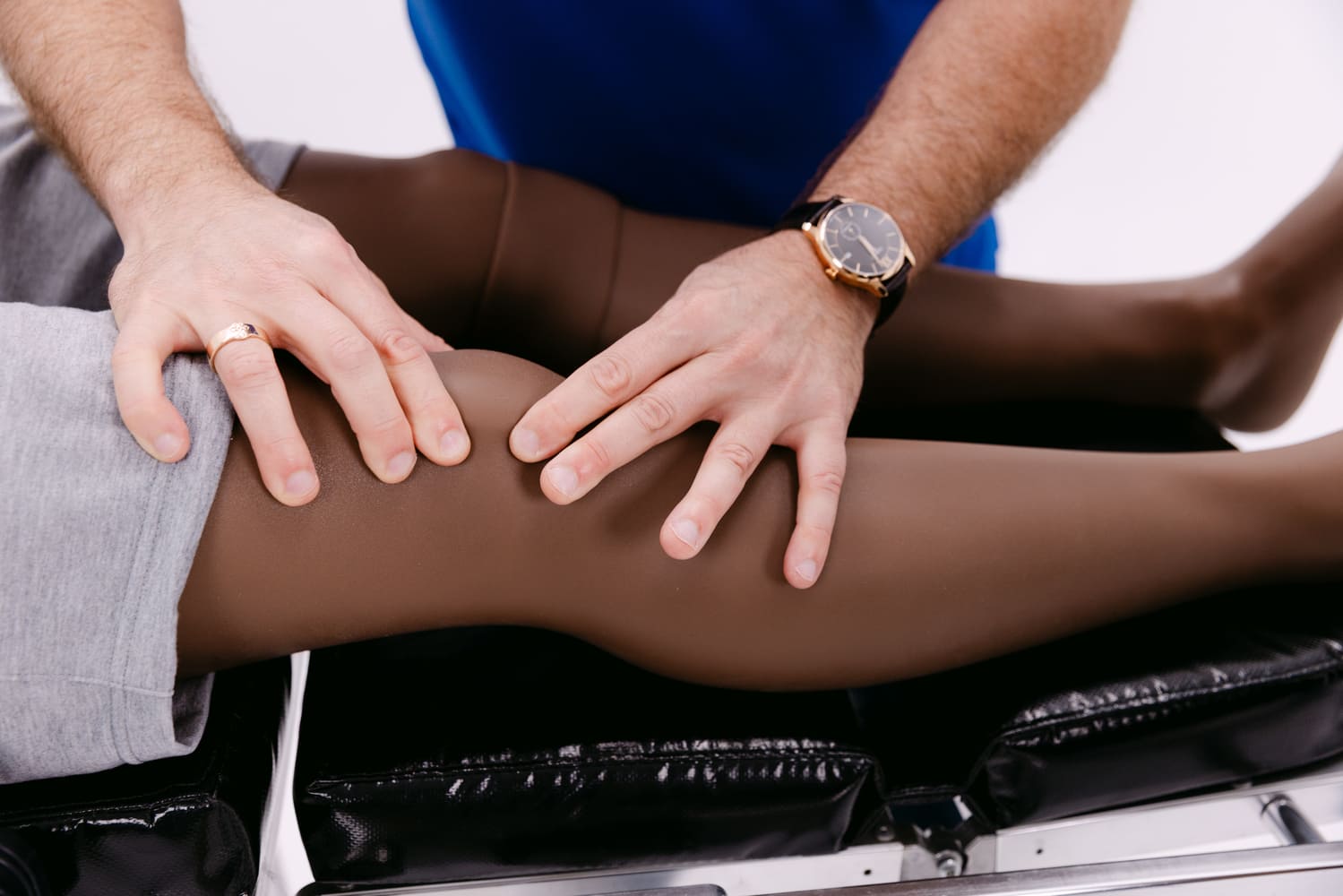
Transforming Medicine: Simulation Based Learning in Healthcare Examples
The landscape of modern medical education has been fundamentally and permanently transformed by the integration of experiential learning environments. A prime example of this monumental shift is the global adoption of competency-based curricula. Today, thoroughly exploring simulation based learning in healthcare examples is absolutely essential for understanding how future doctors, surgeons, and nurses are trained. Simulation provides a safe, highly controlled environment where students and experienced professionals can hone their clinical skills without ever risking actual patient care. By utilizing a high-fidelity simulator, learners can bridge the perilous, anxiety-inducing gap between theoretical education and actual hands-on practice.
The Foundational Base of Healthcare Simulation
At its core, the evidence base for simulation in medicine is incredibly strong and rigorously documented. Widely cited studies in leading medical journals consistently demonstrate that simulation-based training significantly reduces clinical errors and improves patient outcomes. The foundational base of this approach relies entirely on active, experiential learning. Instead of passively reading about a sudden cardiac arrest in a textbook, a medical team can actively manage one in highly realistic scenarios.
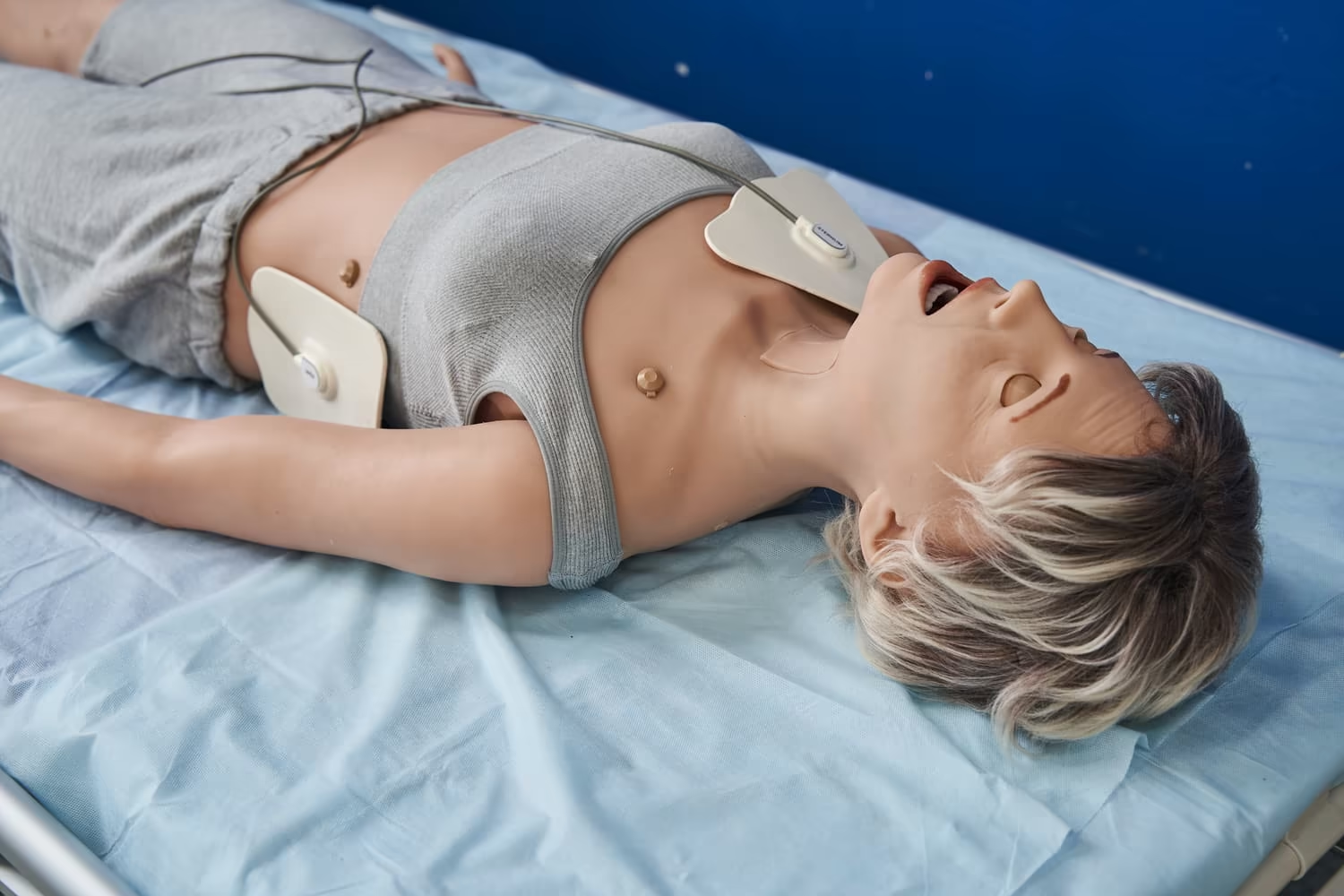
This based methodology ensures that when a real crisis occurs in the emergency department, the clinical response is automatic and flawless. Every example of successful simulation shares a single, unifying common goal: protecting the patient by establishing a solid knowledge base before actual clinical exposure. A modern simulator is not merely a plastic mannequin; it is a complex computing system designed to replicate human physiology, making learning both dynamic and deeply impactful.
Key Simulation Based Learning in Healthcare Examples
To truly appreciate the breadth of this educational revolution, we must examine specific examples across various medical disciplines. Each example utilizes different types of simulators to achieve specific learning objectives.
1. High-Fidelity Manikins in Nursing and Emergency Care
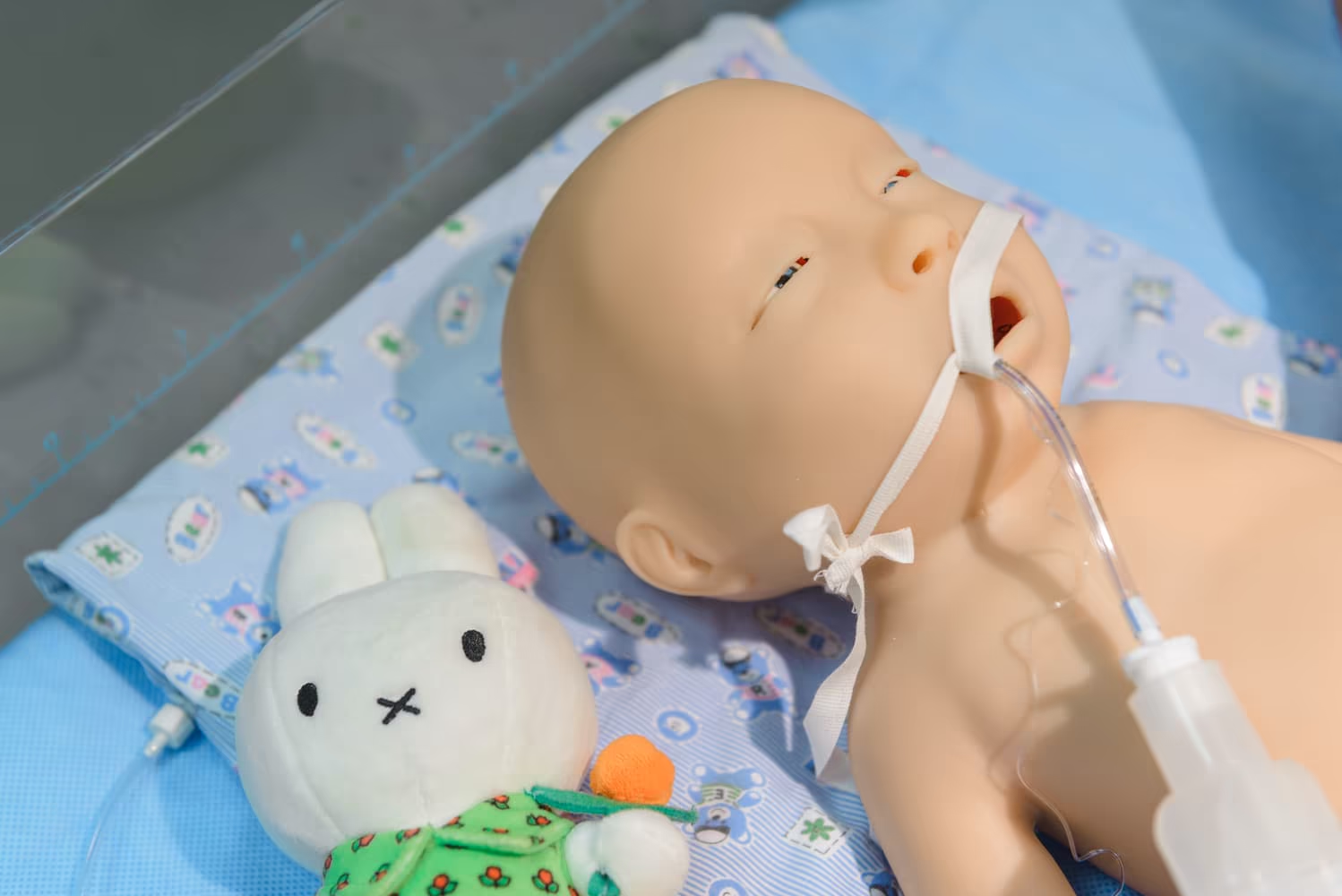
One of the most prominent examples of this methodology involves high-fidelity full-body manikins used extensively in nursing and emergency healthcare. These advanced simulators can breathe, bleed, sweat, and dynamically react to administered medications. For example, nursing students can practice managing a severe anaphylactic shock or postpartum hemorrhage.
In these intense scenarios, the simulator's vital signs will rapidly crash unless the correct dose of epinephrine or oxytocin is delivered in a timely manner. This specific example highlights exactly how learning through simulation builds extreme confidence. The base of pharmacological knowledge is tested dynamically, allowing professionals to see the immediate physiological consequences of their actions on the simulator without harming a real person.
2. Surgical Simulators and Minimally Invasive Training
Another vital example of simulation is the extensive use of the surgical simulator. Before operating on a live human being, surgical residents must engage in rigorous learning using haptic simulators. These specialized devices mimic the exact physical resistance of human tissue, bone, and vascular structures.
A prime example is laparoscopic training, where surgeons practice minimally invasive techniques using long instruments while watching a 2D monitor. The psychomotor base required to master these complex skills is built entirely through repetitive simulation. If a resident makes a catastrophic error on the simulator — such as accidentally lacerating a virtual artery — the simulation simply resets. This infinite repeatability forms the base of modern surgical education, ensuring that actual patient care remains safe and highly precise.
3. Standardized Patients for Communication Skills
Beyond high-tech simulators, human-based simulation remains an absolute cornerstone of healthcare education. The use of standardized patients — actors professionally trained to simulate specific medical conditions and emotional states — is an excellent example of how delicate communication skills are taught.
This form of learning forms the psychological base of bedside manner training. Medical students learn how to deliver devastating bad news, take highly complex psychiatric histories, and provide empathetic care to grieving family members. This specific type of simulation is heavily cited in academic literature as the single most effective method for improving interpersonal skills and empathy in clinical practice.
4. Interprofessional Team-Based Scenarios
Modern healthcare is never a solitary endeavor; it requires seamless teamwork. Therefore, team-based simulation is a crucial example of how entire hospital wards prepare for crises. In these scenarios, physicians, nurses, respiratory therapists, and pharmacists gather around a high-fidelity simulator to manage a complex code blue (cardiac arrest).
The learning objective here is not just technical skills, but Crisis Resource Management (CRM). The simulation evaluates how well the team communicates, how effectively the leader delegates tasks, and how the team manages cognitive load. By anchoring their teamwork on a base of regular simulation, healthcare teams drastically reduce communication breakdowns in actual practice.
Simulation Technology Advancements Healthcare Relies On
The entire field of experiential learning is rapidly evolving due to relentless advancements in digital computing and bioengineering. The simulation technology advancements healthcare systems are currently adopting are nothing short of revolutionary, completely redefining the capabilities of the modern simulator.
Artificial Intelligence and Machine Learning
Recent advancements in Artificial Intelligence (AI) allow a simulator to adapt to a learner's specific decisions in real-time. For example, an AI-driven simulation algorithm can alter the virtual patient's physiological responses based entirely on the exact timing of a surgical intervention or the volume of intravenous fluids administered. Such advancements in simulation ensure that learning is always perfectly tailored to the individual's proficiency level. The simulator acts as a proactive tutor, actively challenging the student's knowledge base.
Immersive Virtual Reality (VR) and Augmented Reality (AR)
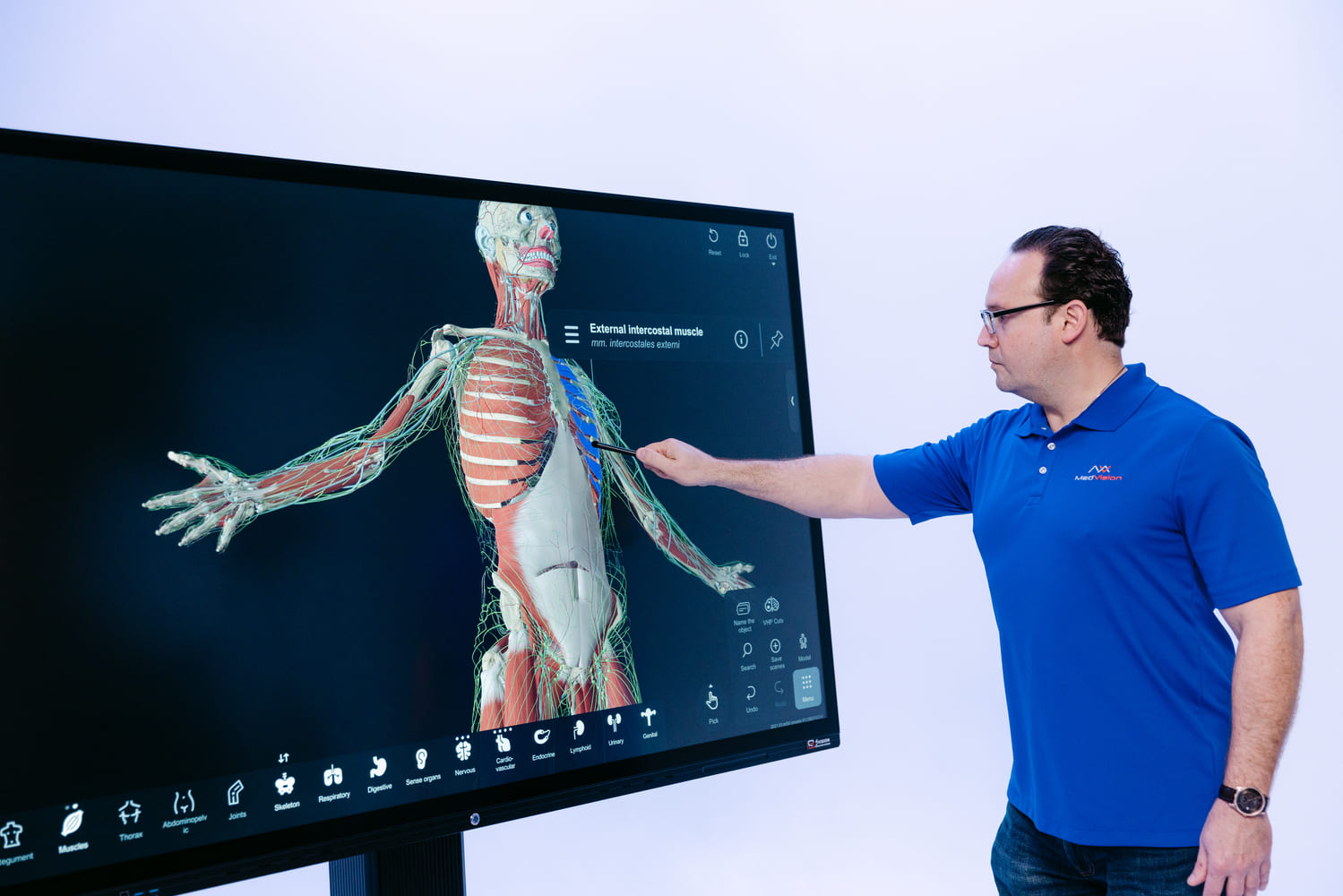
Virtual Reality (VR) represents one of the most significant advancements in the history of healthcare training. In a fully immersive VR simulation, a learner dons a headset and is transported directly inside a busy virtual emergency room or straight into the chambers of a beating, oversized virtual heart.
These visual advancements allow for deep anatomical learning that traditional textbooks simply cannot provide. Furthermore, these technological advancements are not strictly limited to physical tools; software advancements enable remote, cloud-based learning where a global healthcare team can collaborate inside a shared virtual simulation space, regardless of their physical location.
The Debriefing Phase: The Core of Learning
It is widely acknowledged within the healthcare community that the actual simulation is only half of the educational equation. The most critical learning occurs during the "debriefing" phase — the guided reflective discussion that occurs immediately after the simulator is turned off.
During the debriefing, instructors use video playback from the simulation to help students and professionals analyze their thought processes. If a medication error occurred during the simulation, the debriefing explores the root cause. Was it a failure of knowledge base, a communication error, or a technical flaw with the simulator equipment? This reflective learning ensures that the lessons acquired during the scenarios are permanently integrated into the practitioner's cognitive base.
Conclusion
In summary, the continuous, aggressive integration of simulation represents a monumental, paradigm-shifting leap forward for healthcare education worldwide. From basic CPR manikins to incredibly complex, AI-powered surgical simulators, each distinct example of simulation proves its indispensable, life-saving value.
The ongoing, rapid advancements in this dynamic field will only continue to strengthen the heavily cited evidence base supporting experiential learning. By ethically demanding that all medical practitioners prove their technical skills and cognitive resilience in rigorous, standardized scenarios before ever touching a live human being, the medical community ensures that the absolute highest standard of care is constantly maintained.
The future of global healthcare is undeniably, unequivocally simulation-based. As the technology behind the simulator becomes increasingly indistinguishable from reality, the ultimate beneficiaries of this rigorous training will always be the patients whose lives depend on flawless clinical execution.
References
- Aggarwal, R., Mytton, O. T., Derbrew, M., Hananel, D., Heydenburg, M., Issenberg, B., ... & Darzi, A. (2010). Training and simulation for patient safety. Quality and Safety in Health Care, 19(suppl 2), i34-i43.
- Issenberg, S. B., McGaghie, W. C., Petrusa, E. R., Lee Gordon, D., & Scalese, R. J. (2005). Features and uses of high-fidelity medical simulations that lead to effective learning: a BEME systematic review. Medical Teacher, 27(1), 10-28.
- McGaghie, W. C., Issenberg, S. B., Petrusa, E. R., & Scalese, R. J. (2010). A critical review of simulation-based medical education research: 2003–2009. Medical Education, 44(1), 50-63.
- Cook, D. A., Hatala, R., Brydges, R., Zendejas, B., Szostek, J. H., Wang, A. T., ... & Hamstra, S. J. (2011). Technology-enhanced simulation for health professions education: a systematic review and meta-analysis. JAMA, 306(9), 978-988.
- Ziv, A., Ben-David, S., & Ziv, M. (2005). Simulation based medical education: an opportunity to learn from errors. Medical Teacher, 27(3), 193-199.
FAQ
What are the most common simulation based learning in healthcare examples?
Common simulation based learning in healthcare examples include high-fidelity manikins for intensive care scenarios, haptic simulators for surgical training, and standardized patients (actors) to refine communication skills. These specific examples build a safe clinical knowledge base for students before they treat live humans.
How do simulation technology advancements healthcare systems adopt improve patient safety?
Rapid simulation technology advancements healthcare adopts — such as AI algorithms and VR — create ultra-realistic practice environments. When nursing staff and doctors face real crises, they rely on deeply ingrained learning from the simulator, resulting in significantly safer patient care.
Is simulation-based learning only designed for undergraduate medical students?
No. While it forms the foundational base of undergraduate education, experienced professionals routinely use simulation for continuing education. Entire interdisciplinary teams participate in complex scenarios to test new hospital protocols and master technological advancements before actual practice.
Why is the evidence base for healthcare simulation considered so strong?
The evidence base is supported by heavily cited research showing that practitioners trained on a simulator demonstrate superior teamwork and lower surgical complication rates. This objective data proves the indisputable value of simulation-based learning in modern healthcare.
What is the debriefing phase, and why is it essential to the learning process?
Debriefing is a guided, reflective conversation immediately following a simulation. It is the most critical part of the learning process, helping participants analyze their real-time decisions on the simulator to ensure their theoretical base and practical skills are perfectly aligned for future patients.
Immerse yourself in a demo to see how MedVision transforms traditional learning into an engaging, interactive experience
Subscribe for the Latest News!