
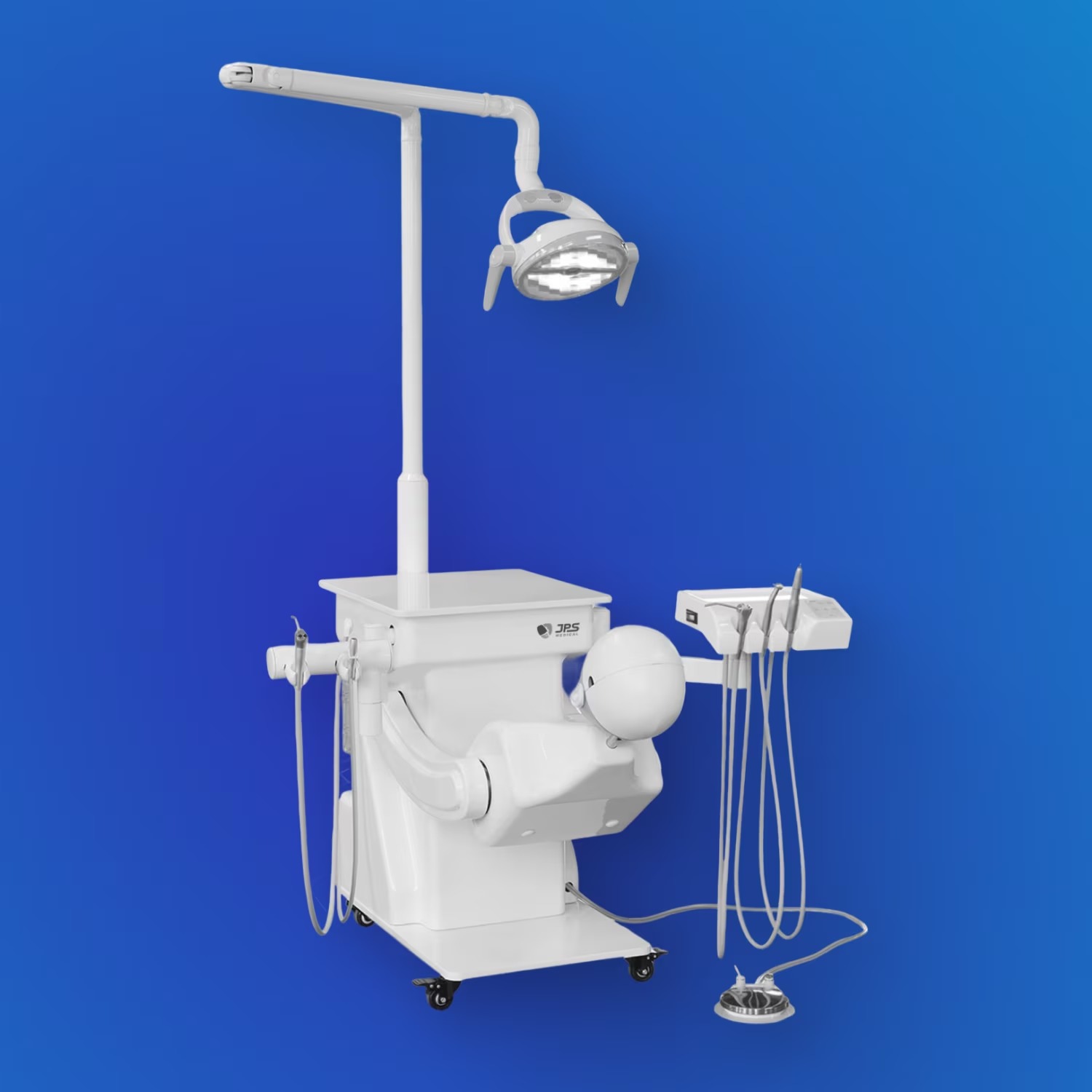
Dental Simulator Comparison: Advancing the Future of Clinical Education
The transition from preclinical laboratories to actual patient care is arguably the most critical and stressful phase for any dental student. To bridge this significant gap, academic institutions globally increasingly rely on sophisticated dental simulators. Conducting a rigorous dental simulator comparison is no longer an optional administrative exercise; it is a mandatory pedagogical prerequisite for developing a robust, evidence-based dental curriculum. The strategic integration of high-fidelity simulation into dental training ensures that learners develop the necessary psychomotor skills, spatial awareness, and hand-eye coordination before they ever attempt a procedure on a live human being.
The Evolution of Dental Training: From Typodonts to Virtual Reality
In the past, preclinical dental education was strictly confined to static plastic typodont jaws and extracted natural teeth mounted in plaster or resin blocks. While these elementary methods provided basic anatomical familiarity, they severely lacked the dynamic, responsive environment of a real oral cavity. The first major evolutionary leap in dental simulation was the introduction of the articulated phantom head system, which introduced crucial concepts of basic ergonomics and patient positioning.
Today, the field of dental simulation has exploded with the advent of Virtual Reality (VR) and advanced haptic feedback technologies. As educators evaluate these incredible advancements, a thorough comparison reveals how each successive generation of dental simulator addresses entirely different, yet highly specific, educational needs. Understanding the nuances of these technologies is the foundation of any effective dental simulator comparison.
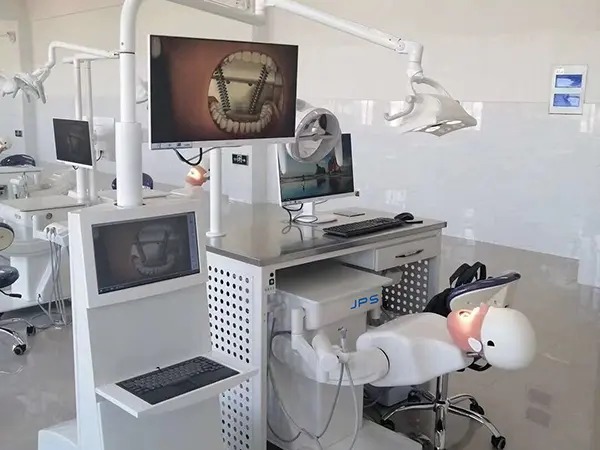
The Necessity for a Standardized Dental Simulator Comparison
Why must modern institutions engage in a complex, multi-layered dental simulator comparison? The answer lies fundamentally in the extreme diversity of clinical dental procedures and the profound financial implications of acquiring modern dental laboratory equipment.
A physical simulation system designed specifically to teach simple restorative dental anatomy might be wholly inadequate for advanced, microscopic endodontic simulation. By actively contrasting the capabilities of different dental simulators, curriculum directors can create a structured, logical continuum of learning. A highly effective, world-class simulation laboratory rarely relies on just one technology. Instead, it features a carefully curated mix of traditional physical and digital systems, requiring a continuous, evidence-based comparison of their respective educational returns on investment.
Categorizing the Landscape of Dental Simulation
To truly understand the modern dental simulation market, administrators must dissect the primary categories of available dental simulators. A comprehensive comparison of these core modalities highlights their unique strengths in teaching specific, highly delicate dental techniques.
Traditional Phantom Head Systems (Physical Simulation)
The traditional phantom head remains the most universally utilized dental simulator across the globe. This physical simulation system typically consists of a metallic or synthetic skull, a highly articulated neck mechanism, and a typodont jaw containing replaceable synthetic dental arches with varying degrees of anatomical accuracy.
When making a direct comparison between entry-level models and advanced high-end phantom heads, the key differentiator is almost always the anatomical realism of the simulated oral cavity. Advanced models feature highly elastic synthetic cheeks, anatomically correct temporomandibular joints (TMJ), and the inclusion of simulated water spray and suction mechanisms.
For teaching foundational dental ergonomics, the critical skill of indirect vision using a dental mirror, and high-speed handpiece control, the phantom head simulator provides excellent, tangible physical resistance. The student feels the actual vibration of the bur cutting through the plastic tooth. However, a major limitation of this physical dental simulation modality — which becomes glaringly obvious during an institutional cost comparison — is the ongoing, heavy financial burden of consumable materials. Plastic teeth must be constantly purchased, replaced, and discarded as students practice drilling day after day. Furthermore, the assessment of the student's work on a physical dental simulator remains subjective, relying heavily on the visual inspection of a supervising dental instructor.
Haptic-Enhanced Virtual Reality (VR) Dental Simulators
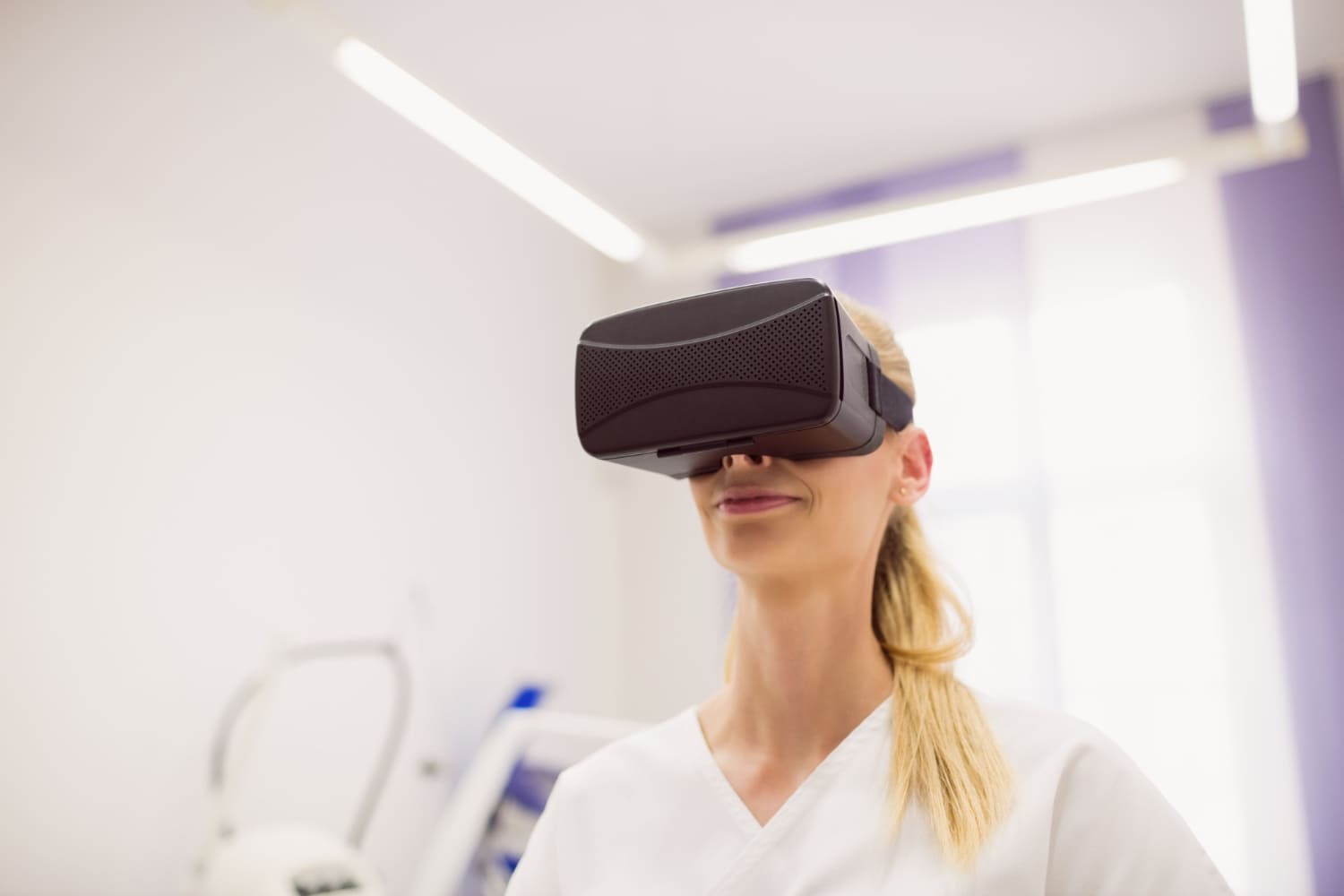
The most revolutionary, disruptive advancement in modern dental education is undoubtedly the haptic-enabled VR dental simulator. These cutting-edge simulation systems completely digitize the preclinical operative experience. Instead of drilling on physical plastic models, the dental student holds a robotic stylus that provides precise force-feedback (haptics) while looking at a high-definition 3D digital tooth rendered on a monitor or through a VR headset.
A detailed comparison between VR simulators and physical phantom heads reveals that VR simulation absolutely excels in providing objective, metric-based, algorithmic assessment. The VR system accurately tracks every micro-millimeter of the virtual bur's movement. It provides the dental student with instant, automated, objective feedback regarding their cavity preparation depth, bur angulation, and the precise removal of simulated dental caries.
This digital simulation approach drastically accelerates the learning curve for complex dental spatial awareness. If a student makes a catastrophic error — such as accidentally exposing the virtual dental pulp — the VR simulator allows them to simply press a button to reset the tooth and start the procedure over immediately. This infinite repeatability without the cost of physical consumables makes the VR dental simulator an incredibly powerful tool for repetitive psychomotor training.
Comparative Analysis Across Dental Specialties
When undertaking a comprehensive dental simulator comparison, it is imperative to evaluate how these systems perform across highly distinct dental disciplines. A simulator that performs exceptionally well for basic restorative dental training might fail to deliver the precision required for complex endodontic simulation. Therefore, a specialty-by-specialty comparison is essential for academic institutions designing a multi-disciplinary dental simulation laboratory.
Endodontic Simulation Systems
Endodontic training is notoriously difficult because the dental root canal system is highly complex, microscopic, and hidden from direct clinical vision. Traditional physical dental simulators utilize extracted human teeth or transparent plastic dental blocks. While a transparent dental block allows the learner to visualize the endodontic file navigating the simulated root canal system, a direct comparison with natural teeth reveals that plastic severely lacks the authentic tactile sensation of navigating real dental dentin.
Conversely, advanced VR endodontic simulators are rapidly transforming this specific dental specialty. By utilizing micro-computed tomography (micro-CT) scans of actual dental pathology, these VR simulation systems can recreate the exact internal anatomy of a severely diseased tooth. When educators perform a dental simulator comparison for endodontics, the haptic VR system frequently wins regarding anatomical variability. Students can practice negotiating highly curved virtual dental canals repeatedly on the simulator without wasting rare, naturally extracted teeth.
Prosthodontic and Restorative Dental Simulation
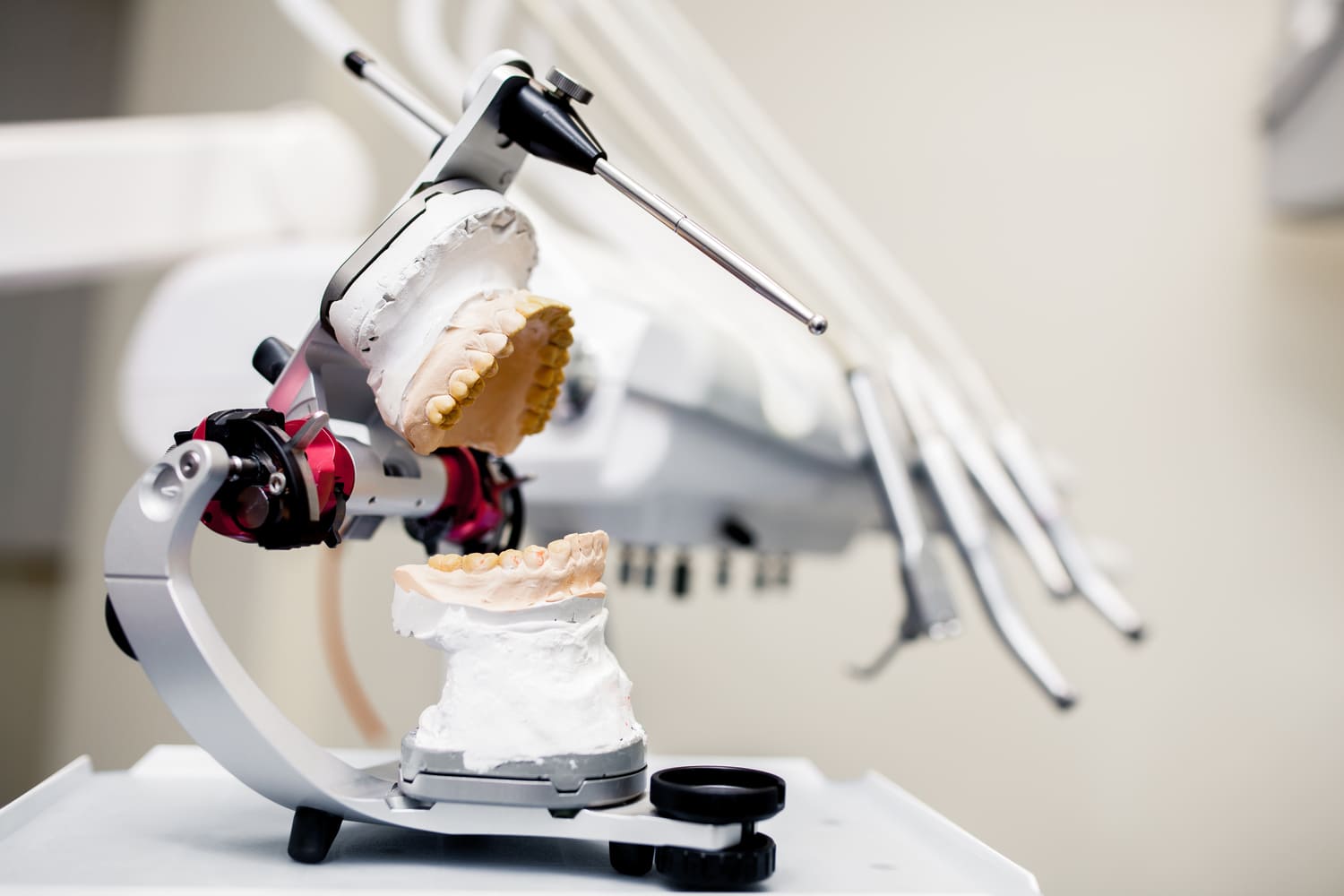
In prosthodontic training, the precise preparation of a tooth for a dental crown or bridge requires microscopic tolerances. The traditional dental phantom head simulator has historically dominated this area of simulation. The physical resistance provided by cutting a plastic dental tooth with an actual high-speed dental turbine builds essential psychomotor memory that every dental professional requires.
However, when we introduce haptic VR into the comparison, the pedagogical narrative shifts heavily toward objective assessment. A physical dental simulator cannot automatically tell a student if their dental crown preparation has precisely six degrees of taper. A digital dental simulator can. Consequently, a modern dental simulator comparison often recommends a blended training approach: students first learn the geometric principles of dental preparations on a VR simulation system that provides objective, algorithmic feedback, and then they transition to a physical phantom head simulator to experience the authentic rotational torque of a real dental handpiece.
Dental Implantology and Oral Surgery Simulators
Oral surgery and dental implantology demand an entirely different level of simulation fidelity. Here, the dental provider is not just cutting enamel; they are incising dental soft tissue, managing bleeding, and drilling deep into the dental alveolar bone system. Physical surgical simulators often utilize multi-layered synthetic bone models that replicate the dense cortical and softer cancellous bone structures.
A rigorous comparison of implant simulators highlights the growing dominance of augmented reality (AR) and mixed reality in surgical dental training. Unlike pure VR simulation, an AR dental simulator overlays digital CBCT (cone beam computed tomography) diagnostic data directly onto a physical drilling simulator. This highly advanced simulation system allows the dental surgeon to practice precise implant angulation and depth control on the simulator while simultaneously avoiding critical virtual anatomical structures, such as the inferior alveolar nerve.
The Critical Importance of Haptic Fidelity in Dental Simulation
At the core of any digital dental simulator comparison is the evaluation of haptic fidelity. In the dental profession, tactile feedback is paramount. A dental practitioner relies heavily on the incredibly subtle vibrations transmitted through the dental handpiece to distinguish between healthy dental enamel, soft carious dentin, and the vital dental pulp chamber. Without precise tactile feedback, a dental simulator is fundamentally useless.
Early generations of digital dental simulators struggled in this technical comparison because their force-feedback mechanisms were clunky and unrealistic. The simulation felt highly artificial. However, modern haptic simulation systems utilize incredibly sophisticated micro-motors that update their spatial positioning thousands of times per second. This robust computing architecture ensures that when the virtual dental bur touches the virtual tooth on the monitor, the physical stylus in the student's hand stops instantaneously, perfectly mimicking the resistance of real dental hard tissue.
When university procurement committees conduct a detailed comparison of VR systems, the quality, resolution, and mechanical lag-time of the haptic response are the absolute most critical determining factors in selecting the ultimate dental simulator. A simulator with poor haptics teaches negative motor habits, whereas a high-fidelity dental simulation system seamlessly translates digital training directly into highly competent, safe clinical practice.
Economic Viability and ROI: A Financial Dental Simulator Comparison
When university administrators approach a comprehensive dental simulator comparison, the financial analysis must extend far beyond the initial purchase price of the dental simulator. A true evaluation of any dental simulation system requires calculating the Total Cost of Ownership (TCO) over a decade of continuous preclinical training.
Traditional dental simulation systems, such as standard phantom heads, initially appear more affordable in a direct hardware comparison. However, these physical simulators require a massive, ongoing institutional budget for dental consumables. Every dental student in a preclinical training cohort will destroy hundreds of plastic dental teeth, utilize real diamond dental burs, and consume vast amounts of dental impression materials and restorative composites. In a multi-year cost comparison, this traditional physical simulation model incurs relentlessly compounding expenses.
Conversely, a digital VR dental simulator requires a substantially higher upfront capital investment. High-fidelity VR simulation systems demand expensive haptic robotic arms, high-end computing hardware, and annual dental simulation software licensing fees. However, the marginal cost of a student performing an extra hundred virtual dental crown preparations on a digital simulator is exactly zero. A long-term financial comparison consistently demonstrates that for high-volume dental training programs, the Return on Investment (ROI) of a VR dental simulation system typically crosses over the physical simulator within three to five years. For institutions prioritizing infinite, self-directed student practice, digital simulation becomes highly viable for long-term dental curriculum planning.
Ergonomics and Posture in Dental Simulation Training
A frequently overlooked aspect of any dental simulator comparison is how effectively the simulation system teaches clinical ergonomics. The dental profession is historically plagued by chronic musculoskeletal disorders due to poor operative posture. The primary goal of early preclinical dental training on a simulator is not just executing a perfect dental cavity preparation, but doing so while maintaining a neutral, healthy spine and proper focal distance.
In a direct educational comparison, physical dental simulation utilizing phantom heads excels at teaching operative spatial ergonomics. The dental student must physically adjust the simulator chair, the simulator head position, and the overhead dental light, perfectly replicating the workflow of a real dental operatory system. Early generations of VR dental simulators struggled in this specific comparison because learners often sat at a standard computer terminal rather than an actual dental chair, promoting poor postural habits.
However, the newest generation of hybrid dental simulation systems has resolved this discrepancy. Modern manufacturers now mount the VR haptic simulator directly onto a realistic, adjustable dental patient chair. This evolutionary leap blends the postural and ergonomic benefits of traditional physical simulation with the advanced tracking power of a digital dental simulator, creating a unified, holistically safe training environment.
The Paradigm Shift: Objective Assessment in Dental Training
Historically, assessing a dental student's preclinical work was a highly subjective endeavor. A clinical instructor would visually examine a plastic tooth cut on a physical dental simulator and assign a grade based on visual estimation. This inherent subjectivity is a major pedagogical flaw in traditional dental training. A rigorous dental simulator comparison highlights that the true transformative power of a digital dental simulation system lies in its automated, algorithmic assessment capabilities.
When a learner utilizes a VR dental simulator, the internal computing system tracks the exact angulation of the dental bur, the precise micron-level volume of virtual dental tissue removed, and the exact time taken to complete the simulation. This allows the dental simulator to generate a perfectly objective, metric-based performance report instantly. In any modern comparison of educational tools, this feature is absolutely paramount.
Objective evaluation allows academic dental training programs to implement "proficiency-based progression." The dental student cannot progress from the simulator laboratory to a live patient clinic until the dental simulator verifies, through hard, undeniable data, that the student has achieved absolute mastery of the required dental procedure. Furthermore, this objective simulation data provides clinical instructors with precise, longitudinal insights into which specific dental techniques a student is struggling with, allowing for highly targeted, personalized dental training interventions that manual assessment simply cannot provide.
Hybridizing the Curriculum: The Ultimate Simulation System
Ultimately, the conclusion of a highly detailed dental simulator comparison is rarely a mandate to choose one single technology over another. The most advanced, forward-thinking academic institutions recognize that the ideal dental training ecosystem is a hybridized environment.
A comprehensive dental curriculum strategically integrates both modalities. Students first encounter a new clinical concept on a VR dental simulator. Here, they utilize digital simulation to grasp the 3D spatial anatomy, understand the sequence of the procedure, and receive immediate objective assessment on their geometric accuracy. Because this digital training consumes no physical resources, they can repeat the simulation endlessly until cognitive mastery is achieved.
Following this digital validation, the students transition to a high-fidelity physical phantom head dental simulator. In this physical simulation phase, they translate their digitally acquired knowledge into tangible reality, experiencing the actual rotational torque of the dental handpiece, managing physical water spray, and handling real dental restorative materials. This sequential integration of simulators maximizes the strengths of both systems, drastically reducing the cognitive overload on the student while ensuring the highest standard of pre-patient dental preparation.
Environmental Impact and Sustainability in Dental Training
The environmental footprint of a preclinical laboratory is a rapidly emerging metric in any modern dental simulator comparison. Historically, dental training has been incredibly resource-intensive. A traditional physical dental simulation system consumes thousands of plastic teeth, liters of chemical impression materials, and massive volumes of water for the handpiece irrigation system. Over a four-year curriculum, a single dental cohort generates a staggering amount of non-biodegradable, micro-plastic waste that must be processed and discarded.
In a direct ecological comparison, the VR dental simulator represents a monumental shift toward sustainable educational practices. Digital simulation requires absolutely zero physical consumables. The virtual dental bur cuts virtual enamel, producing digital dust that requires no physical disposal or chemical processing. For universities striving to meet strict global sustainability initiatives, this stark comparison between wasteful physical training and zero-waste digital simulation heavily influences the procurement process. An eco-conscious dental simulation system not only reduces the institution's carbon footprint but also significantly slashes the recurring financial budget dedicated to hazardous waste management and laboratory cleanup.
Integration with CAD/CAM and Digital Dentistry Workflows
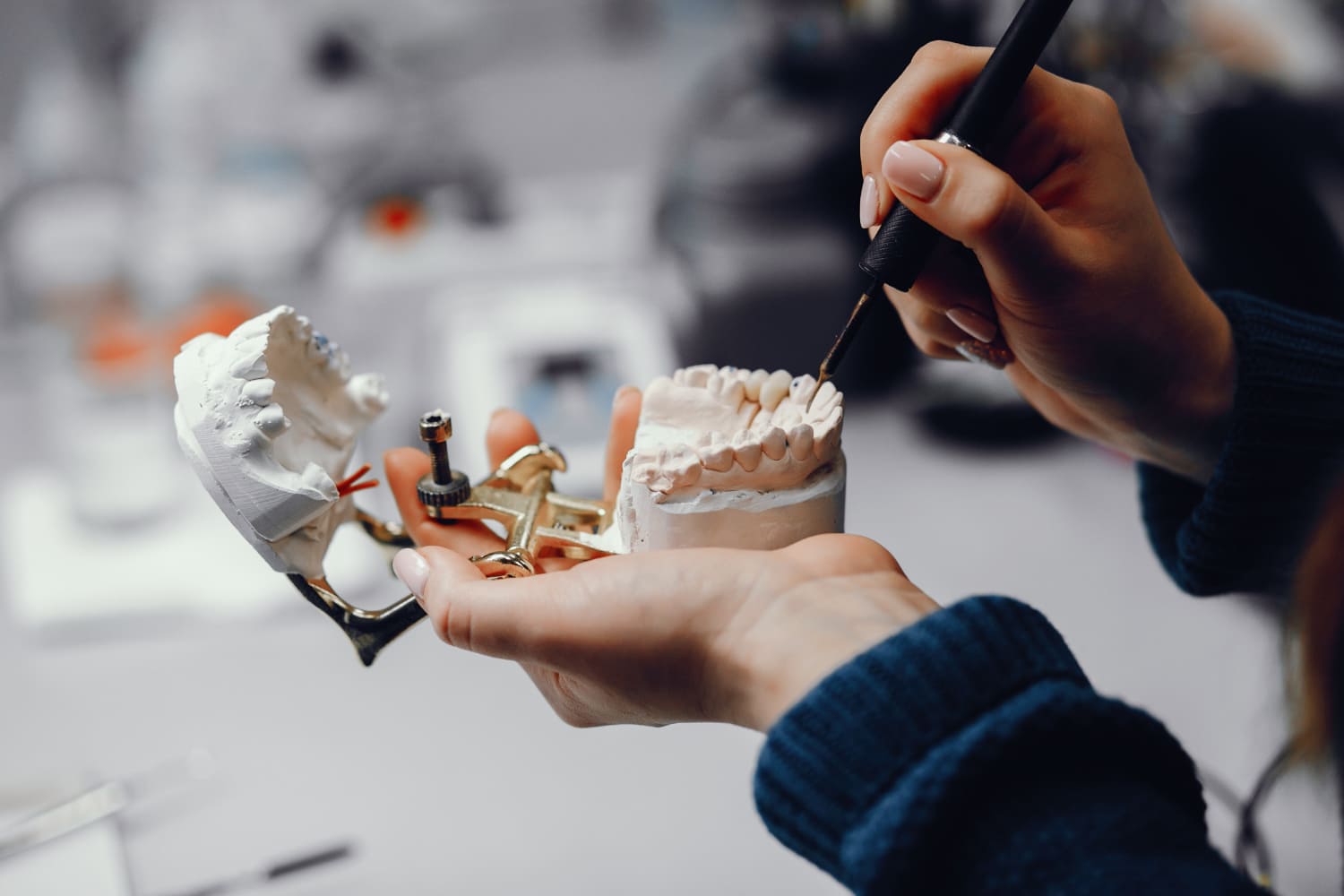
The modern clinical reality is that digital dentistry — specifically CAD/CAM (Computer-Aided Design and Computer-Aided Manufacturing) — is now the absolute industry standard. Therefore, a forward-looking dental simulator comparison must rigorously evaluate how effectively a simulator prepares a student for this specific digital workflow. An isolated traditional physical dental simulator can teach a student how to manually prepare a tooth with a high-speed drill, but it fundamentally fails to teach them how to digitally interact with that preparation.
Advanced hybrid dental simulation systems are now being designed with open-source architecture to bridge this critical gap. In a comprehensive workflow comparison, the most advanced dental simulators allow students to physically prepare a plastic tooth on a phantom head system, and then immediately utilize a real intraoral scanner (like a CEREC or TRIOS wand) to capture a digital 3D impression of their work. The simulation system software then analyzes the 3D scan, providing a highly precise algorithmic comparison between the student's actual physical preparation and the ideal, pre-programmed digital model. This seamless integration ensures that the dental training process perfectly mirrors the modern clinical operatory environment, where the absolute mastery of intraoral digital scanning is just as critical as the traditional mastery of the dental handpiece
The Physics of Haptic Force-Feedback in Dental Simulators
To truly appreciate the mechanical engineering behind a high-end digital dental simulator, an evaluator must delve deep into the physics of haptic force-feedback mechanisms. When university procurement committees execute a highly technical dental simulator comparison, they are fundamentally comparing the latency, torque, and resolution of these haptic computing systems. The physical sensation of drilling into a dental tooth is highly dynamic and unpredictable; the resistance changes instantly as the bur transitions from ultra-hard, highly mineralized dental enamel to softer, porous carious dentin.
A low-end VR dental simulation system often suffers from haptic latency — a microsecond delay between the visual graphics rendered on the screen and the physical resistance felt in the robotic stylus. This imperceptible lag can cause "haptic buzzing" or an artificial, rubbery sensation that completely destroys the training immersion and teaches improper pressure application. In stark comparison, premium haptic dental simulators utilize ultra-high-frequency servo motors and incredibly robust central processing units that update physical force calculations thousands of times per millisecond. This processing power ensures that the simulated tactile collision between the virtual dental bur and the virtual dental anatomy is flawlessly crisp, absolute, and instantaneous. When conducting a side-by-side comparison of haptic fidelity, it becomes immediately apparent that the underlying computing architecture of the dental simulator dictates the overall success, safety, and validity of the preclinical training experience.
Local Anesthesia and Pain Management Simulation
Administering local anesthesia — specifically the inferior alveolar nerve block — is one of the most anxiety-inducing milestones in early preclinical dental training. Striking the precise anatomical landmark with a long dental needle without causing severe nerve damage or intravascular injection requires profound anatomical knowledge and steady psychomotor execution. A specialized dental simulator comparison focused exclusively on pain management reveals fascinating technological divergence.
Traditional physical anesthesia simulators consist of an anatomically accurate synthetic skull covered in an elastomeric silicone face. Embedded within the simulated dental mucosa are highly sensitive electronic contact points. When the dental student inserts the needle correctly and contacts the target zone, the system emits a validating audible beep. Conversely, an advanced VR dental simulation system visualizes the injection entirely differently. As the learner advances the haptic virtual syringe, the monitor displays a translucent, cross-sectional view of the dental anatomy, showing the exact proximity of the needle tip to the virtual nerve bundle and surrounding vasculature. In a direct educational comparison, the digital dental simulator excels at teaching 3D anatomical visualization, illustrating the precise diffusion of the anesthetic fluid through the virtual dental tissue, whereas the physical simulation system remains superior for practicing the actual manual force required to pierce human mucosa.
Periodontal Training and Tactile Calculus Detection
Periodontics and dental hygiene present unique mechanical challenges for any dental simulator. The core clinical competency in this field is subgingival scaling — the ability to use a sharp dental curette to blindly detect and remove hardened calculus hidden deep beneath the gum line. This relies entirely on extreme tactile sensitivity. When performing a dental simulator comparison for periodontal training, evaluators focus intensely on the replication of "grit" and surface irregularities.
In traditional physical dental simulation, manufacturers apply a hardened, chalk-like synthetic calculus directly onto the roots of plastic dental teeth, which are then covered by tight, synthetic silicone gingiva. The dental student must physically scale this crust away, feeling the authentic mechanical "snap" when the calculus dislodges. When we introduce haptic VR dental simulators into this specific comparison, the engineering challenge becomes immensely difficult. Replicating the sharp, gritty, microscopic catch of a dental explorer on a virtual root surface pushes current haptic computing systems to their absolute limits. While high-end VR dental simulation systems are rapidly improving, many periodontal educators argue in a direct comparison that physical simulators currently maintain a slight edge in delivering the ultra-fine tactile feedback necessary for mastering advanced dental hygiene instrumentation.
Augmented Reality (AR) vs. Virtual Reality (VR) in Dental Systems
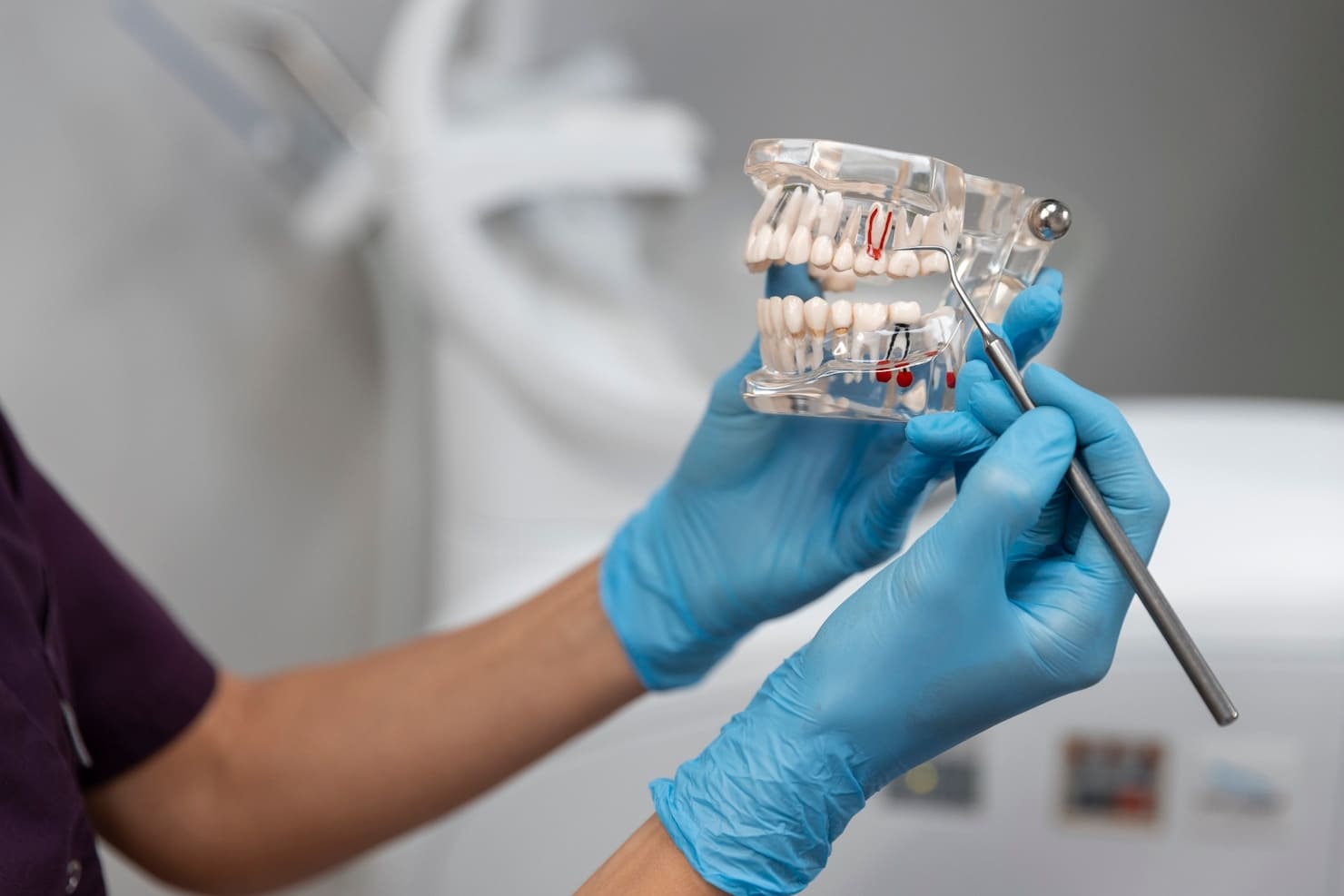
As the digital landscape evolves, a highly nuanced dental simulator comparison must distinguish between pure Virtual Reality (VR) and emerging Augmented Reality (AR) systems. While these terms are frequently conflated, they represent fundamentally different approaches to clinical dental training.
A pure VR dental simulator completely immerses the user in a closed digital environment; the student looks at a monitor or wears a headset that blocks out the real world, relying entirely on a robotic haptic stylus to interact with a fully virtual tooth. In stark comparison, an AR dental simulation system is a hybrid marvel. Utilizing semi-transparent headsets or specialized mirrors, AR overlays highly detailed digital holographic dental pathology directly onto a physical phantom head simulator. This means the dental student looks down and sees their own real hands holding a real, buzzing dental handpiece, but the physical plastic tooth they are touching is digitally augmented to display complex internal caries or intricate root canal systems. For many academic institutions, an architectural comparison suggests that AR represents the ultimate, uncompromising future of the dental simulator, seamlessly merging absolute physical realism with unlimited digital versatility.
Board Certification and High-Stakes Standardized Testing
The impact of modern dental simulation extends far beyond undergraduate university training; it is rapidly transforming the landscape of national board certification and professional credentialing. Historically, dental candidates were required to perform irreversible procedures — such as complex cavity preparations — on live human patients to prove their clinical competence and secure their medical license. This practice raises immense ethical concerns. Consequently, examining boards are heavily evaluating alternative testing modalities through rigorous dental simulator comparison studies.
In high-stakes testing, the paramount requirement is absolute standardization. When examining boards utilize live patients, the testing environment is inherently unfair; one candidate might treat a patient with soft dental dentin and an easy cavity, while another faces a highly complex, calcified dental lesion. A digital dental simulator entirely eradicates this inequality. By utilizing a standardized VR dental simulation system, examiners guarantee that every single candidate across the country faces the exact same virtual tooth, with the exact same haptic resistance, and the exact same dental pathology. The computerized system then provides an impartial, algorithmic comparison of every candidate's volumetric accuracy, eliminating human grader bias. This absolute fairness is why the high-fidelity dental simulator is poised to become the mandatory global standard for all future professional dental licensure examinations.
Continuing Education and Postgraduate Skill Acquisition
While undergraduate preclinical dental training typically dominates the academic conversation, a comprehensive dental simulator comparison must also acknowledge the growing role of these technologies in postgraduate continuing education. When experienced clinicians wish to integrate a newly patented implant system or master an advanced, minimally invasive dental technique, they cannot ethically practice on their private patients. High-fidelity VR dental simulation provides an absolutely risk-free environment for this high-level skill acquisition. A direct comparison of continuing education methodologies proves that utilizing a specialized digital dental simulator allows seasoned professionals to safely recalibrate their psychomotor skills, proving that a robust simulation system is a lifelong clinical asset rather than merely an introductory collegiate tool.
The Future of the Dental Simulator: AI and Advanced Simulation Systems
As we conclude this comprehensive dental simulator comparison, we must look toward the future of preclinical dental training. The next definitive frontier in dental simulation involves the deep integration of Artificial Intelligence (AI) into the simulation system. Future dental simulators will not merely record student data; they will act as active, AI-driven digital dental instructors. An intelligent dental simulator will analyze a student's micro-movements in real-time during the simulation and offer predictive vocal guidance, proactively correcting a poor dental drilling angle before the virtual tooth is irrevocably damaged.
Furthermore, the ongoing evolution of the haptic dental simulator will soon incorporate temperature and advanced moisture feedback. A true, ultimate dental simulator comparison of the future will evaluate whether the system can simulate the exact viscosity of dental saliva and the thermal heat generated by a high-speed dental bur against dental enamel. As companies relentlessly push the boundaries of what a modern dental simulation system can achieve, the gap between preclinical training on a simulator and live dental patient care will become virtually indistinguishable.
Faculty Calibration and Institutional Implementation
When administrators evaluate new technologies, they often overlook the profound impact on the teaching faculty. A thorough dental simulator comparison must include an analysis of faculty calibration and the administrative burden of grading. In a traditional physical dental simulation system, faculty members must physically patrol the dental laboratory, visually inspecting hundreds of plastic teeth using periodontal probes and mirrors. This manual comparison of student work is exhausting, subjective, and highly prone to human error, as two different instructors might grade the exact same cavity preparation on a simulator differently.
Conversely, integrating a VR dental simulator fundamentally transforms the faculty's role. The digital simulation system automatically and objectively grades the dental preparation against an imported gold-standard 3D model. This automated comparison allows the instructor to transition from a mere grader to a high-level pedagogical mentor. They can focus on providing individualized clinical training and correcting severe ergonomic flaws rather than spending hours measuring plastic dental margins. A direct institutional comparison reveals that digital simulators significantly reduce faculty burnout and ensure that the dental training process remains standardized and completely objective across the entire university.
Cognitive Load and Student Perception in Dental Simulation
Another vital dimension of a comprehensive dental simulator comparison involves student psychology and the educational theory of cognitive load. The mental strain placed on a first-year preclinical dental student is immense. When utilizing a traditional physical phantom head dental simulator for the first time, the student must simultaneously manage the high-speed dental handpiece, the foot pedal, the water system, patient positioning, and the highly unnatural act of indirect mirror vision. This multi-tasking can be overwhelmingly stressful.
Digital VR dental simulation offers a phased, manageable approach to early training. By comparing student feedback across various studies, researchers consistently find that VR simulators lower initial clinical anxiety. The VR dental system allows learners to isolate specific variables — such as simply navigating the virtual dental mirror without the fear of accidentally drilling the wrong tooth. Furthermore, the absence of peer judgment in a personalized VR simulation environment fosters a safe space for making mistakes. Ultimately, a pedagogical comparison of learning curves proves that students who begin their training on a VR dental simulator before transitioning to a physical simulation system exhibit higher confidence, lower stress levels, and faster overall psychomotor skill acquisition.
Pediatric Dental Simulation and Specialized Phantoms
Pediatric dental care introduces entirely unique anatomical and behavioral challenges, necessitating highly specialized simulation systems. A standard adult phantom head simulator cannot adequately replicate the delicate primary dental dentition, the thinner enamel layers, or the extremely confined working space of a child's oral cavity. Therefore, a specialized dental simulator comparison dedicated to pediatric training is essential for a well-rounded curriculum.
Manufacturers have addressed this by developing pediatric-specific physical dental simulators. These models feature mixed dentition (incorporating both primary and erupting permanent dental teeth) and smaller, highly articulated jaw systems that mimic a child's limited mouth opening. Furthermore, advanced behavioral VR simulation is rapidly entering the pediatric market. These digital dental simulators expose the student to a virtual child patient who may cry, move unexpectedly, or resist treatment. This forces the dental provider to practice crucial patient management and communication skills alongside clinical dental procedures. A direct comparison of these specialized simulators highlights the industry's aggressive push toward holistic, reality-based dental training that prepares students for unpredictable human behavior.
Maintenance, Durability, and Long-Term System Viability
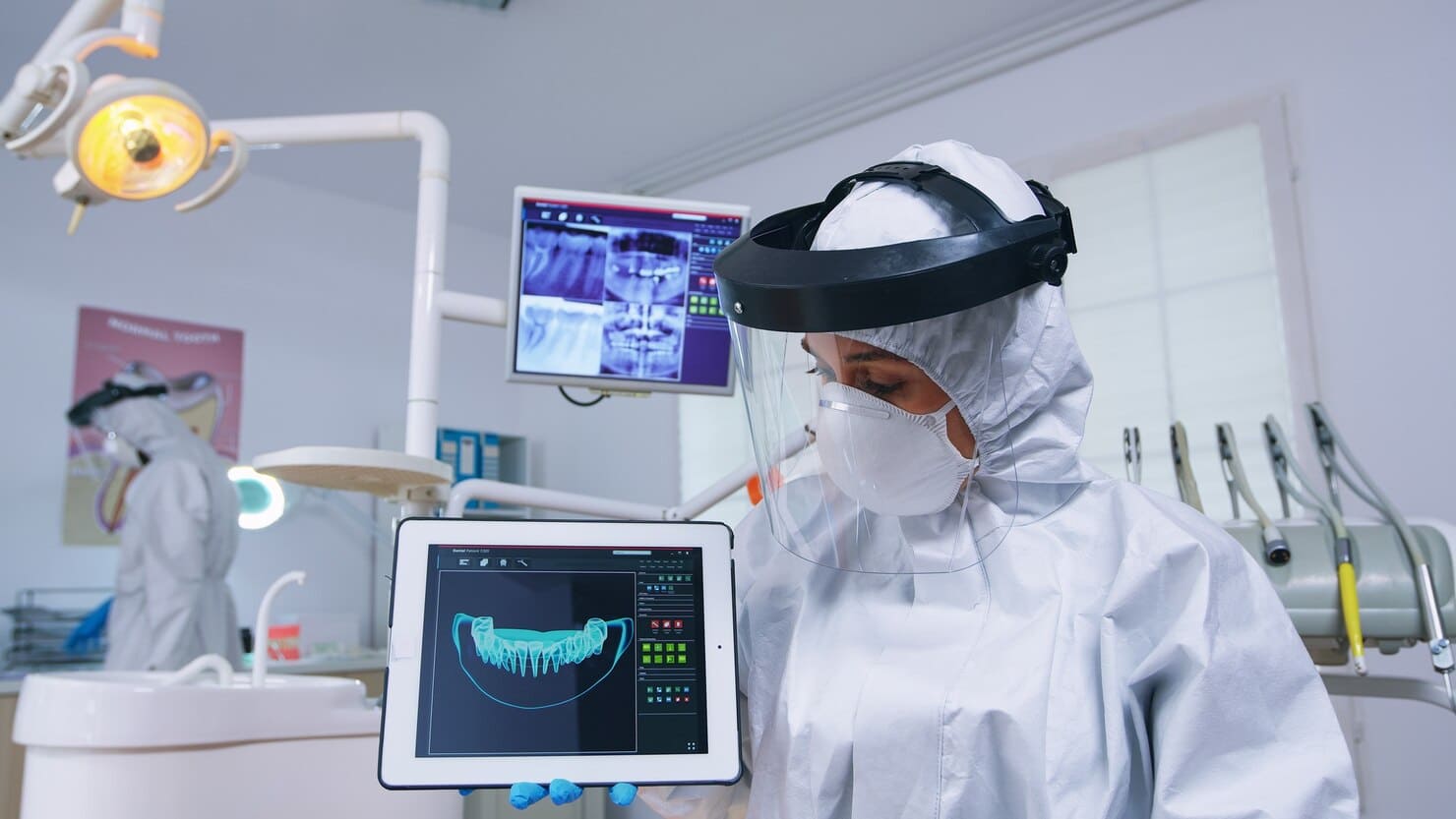
Beyond the initial financial acquisition and educational theory, a longitudinal dental simulator comparison must address the harsh technical realities of maintaining a modern dental simulation laboratory. Physical dental simulators are mechanical marvels, but they contain complex moving parts, pressurized water lines, and drainage systems that are highly susceptible to clogging from dental composite dust and plastic tooth shavings. Routine maintenance of a massive physical dental system requires a dedicated, on-site mechanical technician to prevent laboratory downtime.
In stark contrast, a VR dental simulator requires virtually no physical maintenance beyond sanitizing the haptic stylus and the VR headset. However, the digital simulation system introduces entirely different operational challenges. It demands a robust IT infrastructure, rigorous cybersecurity measures, and mandatory annual software updates to keep the dental simulation anatomically accurate and compatible with modern operating systems. A thorough institutional comparison demonstrates that while physical simulators inevitably incur mechanical wear and tear, digital simulators require continuous software licensing and periodic computing hardware upgrades. Therefore, the ultimate operational comparison is highly dependent on whether an institution's strength lies in mechanical maintenance or IT network administration.
Conclusion
In summary, performing an exhaustive, multi-faceted dental simulator comparison is the foundational step in modernizing any clinical dental curriculum. The traditional physical dental simulator — specifically the highly articulated phantom head system — remains an irreplaceable cornerstone for teaching tangible dental ergonomics, posture, and the physical handling of real dental restorative materials.
However, a direct educational comparison clearly shows that the haptic VR dental simulation system represents the undisputed future of objective, metric-based dental training. By embracing a hybrid simulation approach that strategically leverages the distinct advantages of both physical and digital dental simulators, educational institutions guarantee that their graduating cohorts possess the absolute highest level of psychomotor proficiency. This rigorous commitment to advanced dental simulation ensures the delivery of safe, exceptional, and supremely confident dental patient care.
References
- Buchanan, J. A. (2001). Experience with virtual reality-based technology in teaching restorative dental procedures. Journal of Dental Education, 65(11), 1258-1265.
- Roy, E., Bakr, M. M., & George, R. (2017). The need for virtual reality simulators in dental education: A review. The Saudi Dental Journal, 29(2), 41-47.
- Quinn, F., Keogh, P., McDonald, A., & Hussey, D. (2003). A study comparing the effectiveness of conventional training and virtual reality simulation in the skills acquisition of junior dental students. European Journal of Dental Education, 7(4), 164-169.
- Suebnukarn, S., Haddawy, P., Rhienmora, P., & Gajananan, K. (2010). Haptic virtual reality for skill acquisition in endodontics. Journal of Endodontics, 36(1), 53-55.
- Towers, A., Field, J., Stokes, C., Maddock, S., & Martin, N. (2019). A scoping review of the use and application of virtual reality in pre-clinical dental education. British Dental Journal, 226(5), 358-366.
FAQ
What is the main purpose of a dental simulator comparison?
Ultimately, the primary purpose of a dental simulator comparison is to rigorously evaluate which simulation system best aligns with an institution's specific dental curriculum. Comparing physical phantom heads to advanced VR dental simulators ensures that universities invest in the correct training tools for teaching highly complex dental procedures.
How does a VR dental simulator improve dental training?
A VR dental simulator drastically improves clinical dental training by providing immediate, objective, computerized assessment. Unlike a physical dental simulator, a digital system allows for infinite, cost-free repetition of a simulation, which rapidly accelerates the student's mastery of complex dental spatial awareness without consuming expensive physical materials.
Is a physical dental simulator system still necessary today?
Yes. Despite incredible advancements in digital simulation, a physical dental simulator (phantom head) is absolutely vital for teaching proper dental ergonomics, indirect mirror vision, and the actual physical handling of real dental handpieces. A complete, world-class training ecosystem requires a hybrid approach utilizing both types of simulators.
What factors are most important in a dental simulator comparison?
When conducting a comprehensive dental simulator comparison, institutions must meticulously evaluate haptic fidelity (the realistic tactile resistance of the simulation), the objectivity of the assessment software, the long-term TCO (Total Cost of Ownership), and how seamlessly the new dental simulator integrates into the existing dental training system.
Immerse yourself in a demo to see how MedVision transforms traditional learning into an engaging, interactive experience
Subscribe for the Latest News!