

How Nursing Issues Shape Modern Healthcare
What Are Nursing Issues?
Nursing issues encompass the wide array of challenges, obstacles, and systemic pressures affecting the practice of nursing in contemporary healthcare. From staffing shortages to ethical dilemmas, these issues shape the professional environment of nurses, influencing patient care, workplace satisfaction, and overall healthcare quality. According to professional healthcare studies, recognizing these challenges is essential for improving workforce stability and ensuring safe, effective, and compassionate care.
Why Do Nurses Face Persistent Challenges?
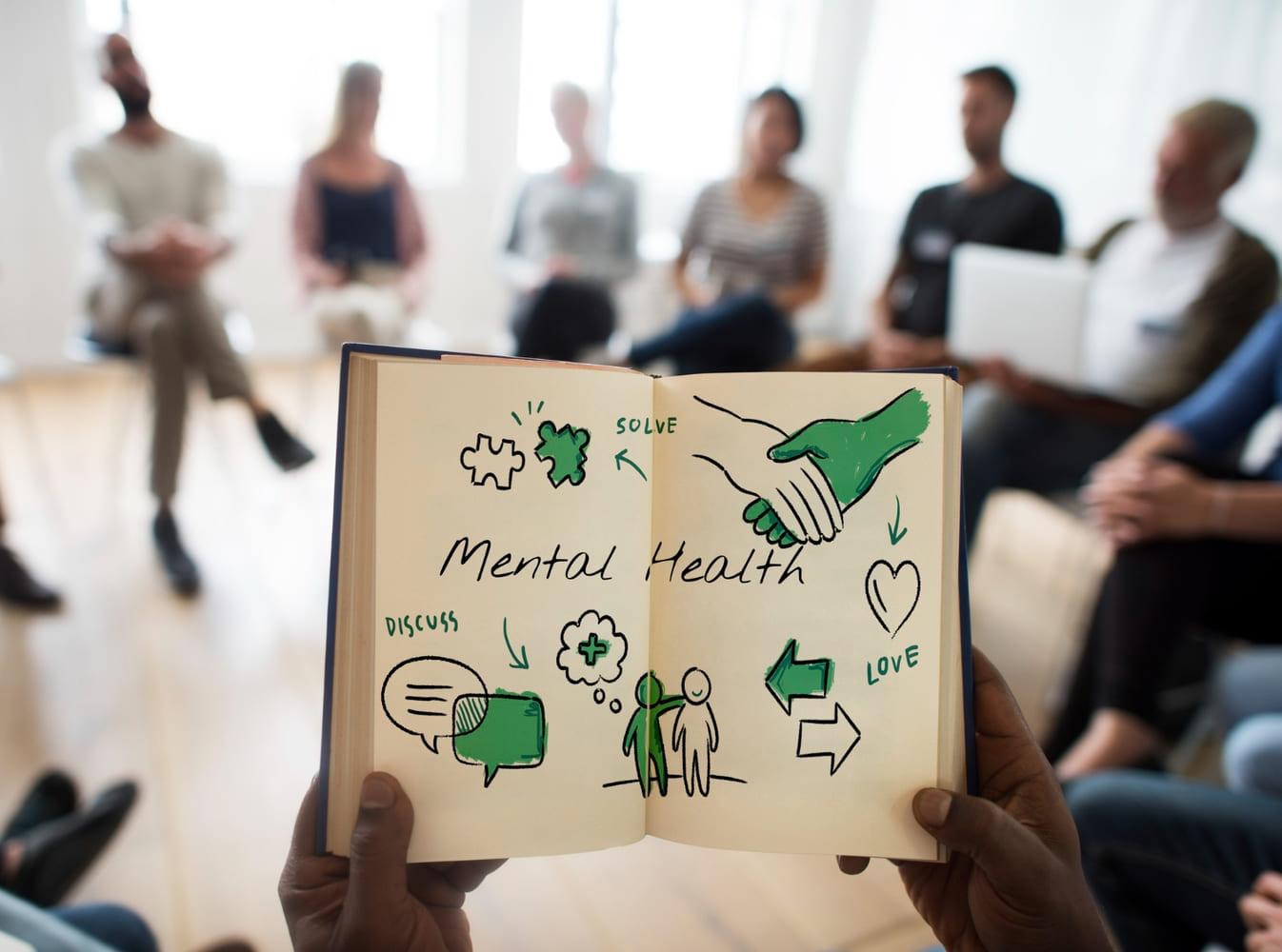
Nurses are often the frontline guardians of patient wellbeing, which places them under constant pressure. Extended working hours, unpredictable schedules, and emotionally charged situations contribute to occupational stress, one of the most significant nursing issues today. Mental fatigue, burnout, and physical exhaustion not only affect the nurse’s performance but also compromise patient safety. Healthcare organizations must prioritize support structures, including mental health resources, professional development, and mentorship programs, to mitigate these challenges.
Key Operational Challenges in Nursing
- Staffing shortages leading to increased workload and stress
- Navigating complex medical technologies while maintaining patient-centered care
- Ethical dilemmas, including prioritizing care and advocating for patients
- Maintaining clear communication across multidisciplinary teams
These issues are interconnected, creating a web of operational, emotional, and ethical pressures that define modern nursing. Recognizing their complexity is the first step in developing resilient strategies that protect both nurses and patients.
Burnout and Mental Health in Nursing
One of the most pressing nursing issues today is the pervasive risk of burnout. The demanding nature of healthcare, coupled with long shifts and emotional strain, places nurses in a constant state of physical and mental fatigue. Burnout manifests through decreased motivation, emotional exhaustion, and detachment from patients, creating a cycle that impacts both professional performance and personal wellbeing. Organizations increasingly recognize that addressing mental health is essential, incorporating structured support, counseling services, and stress management programs to help nurses sustain resilience.
Technological Advancements: A Double-Edged Sword
Modern nursing increasingly relies on sophisticated technologies, from electronic health records to diagnostic tools. While these advancements streamline care, they also introduce a set of issues: steep learning curves, data entry burdens, and the constant need to update skills. For nurses, balancing the technical demands of healthcare with compassionate patient interaction becomes a daily challenge. Adequate training, continuous education, and clear guidelines can reduce errors and alleviate some of the pressures imposed by these technological shifts.
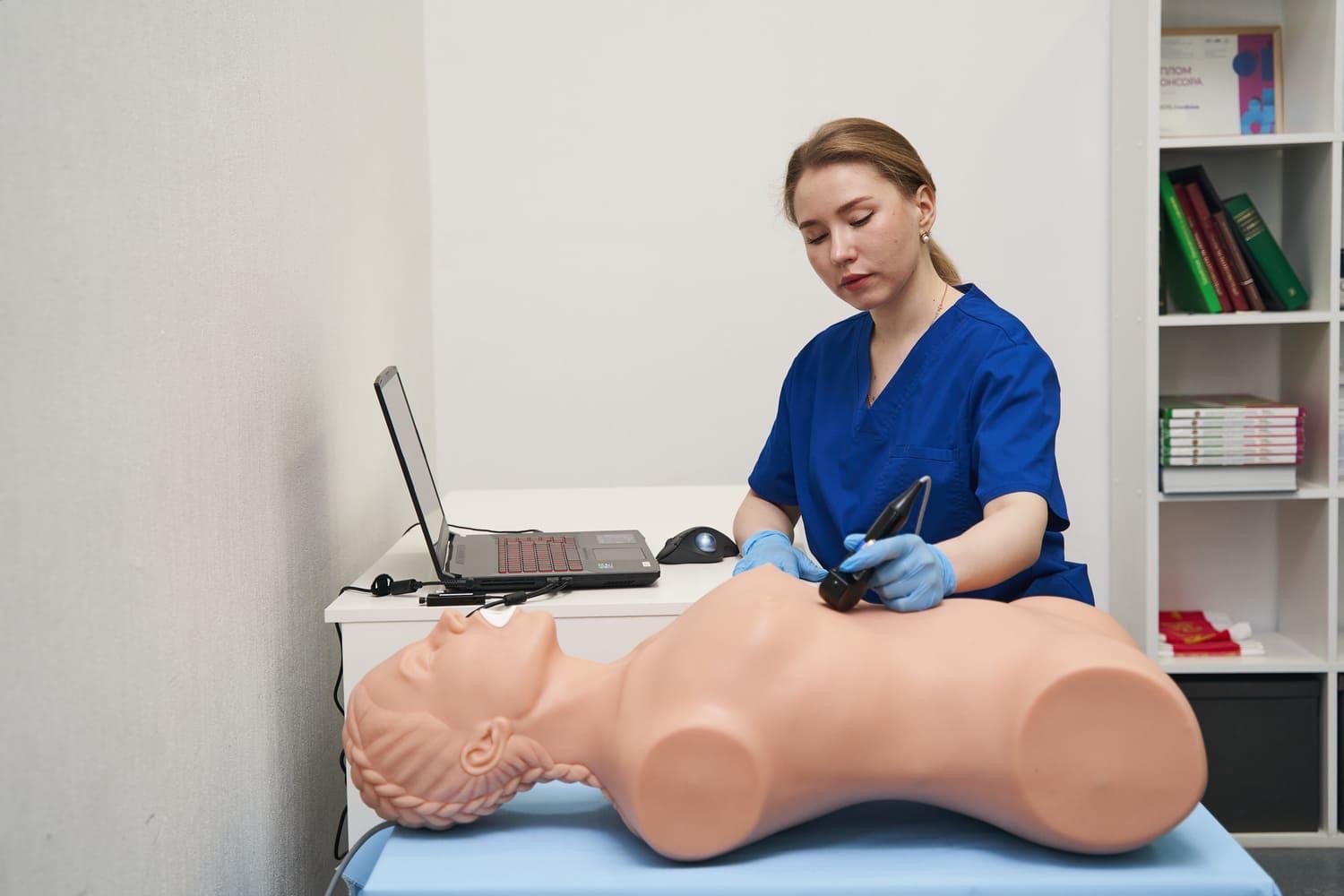
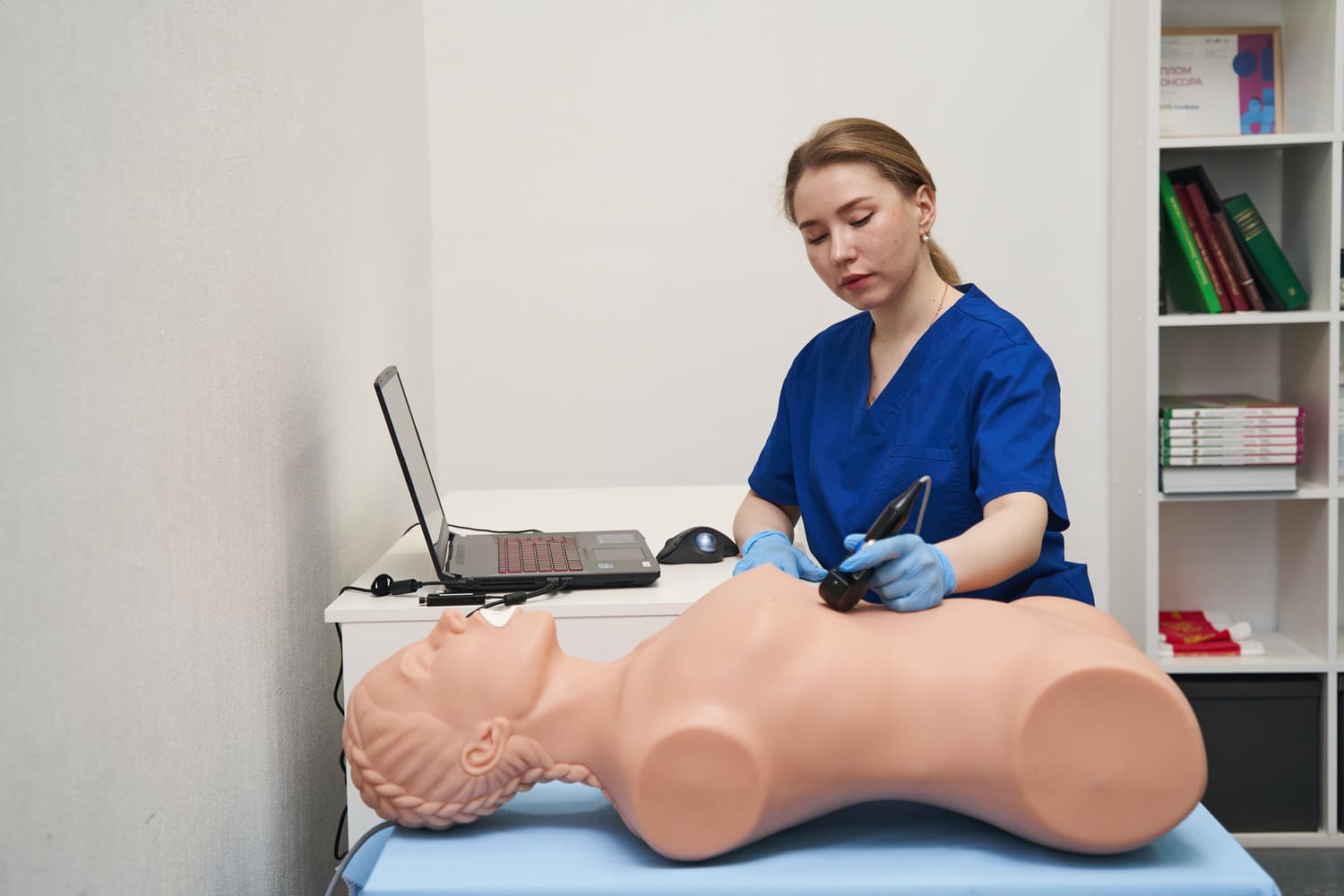
To address these challenges, simulation-based solutions from MedVision offer an invaluable bridge between theory and practice. Products like the Anatomy Table allow nurses to explore detailed human anatomy interactively, providing realistic visualizations that deepen understanding without the pressures of a live clinical setting. The SonoVision system brings ultrasound training into a safe, repeatable environment, letting nurses practice imaging techniques and develop diagnostic precision. Meanwhile, Arthur delivers high-fidelity patient scenarios, enabling learners to respond to emergencies, monitor vital signs, and make critical decisions in real time. MATT, the advanced simulation manikin, further enhances experiential learning by replicating complex patient conditions and responses, honing both technical and critical thinking skills.
By integrating these tools, nurses can navigate the growing technological landscape with confidence. Simulation training reduces the cognitive load of new technologies, reinforces procedural competence, and fosters a balance between technical proficiency and empathetic patient care. MedVision’s solutions therefore transform potential technological hurdles into opportunities for skill enhancement and safer clinical practice.
Ethical and Legal Challenges in Nursing
The ethical dimension of nursing is another critical area of concern. Nurses regularly encounter dilemmas regarding patient autonomy, consent, and equitable care. Navigating these situations requires not only clinical knowledge but also ethical reasoning and clear communication. Legal considerations compound these challenges, as documentation errors, procedural lapses, or failure to advocate for patients can carry serious repercussions. Addressing these issues involves robust policy frameworks, regular ethics training, and strong institutional support for decision-making processes.
How Communication Impacts Nursing Effectiveness
Effective communication is pivotal in resolving many nursing issues. Miscommunication among nurses, physicians, and patients can lead to errors, delays in care, and compromised patient outcomes. Structured handovers, interdisciplinary meetings, and patient-centered communication strategies are key interventions. When nurses are empowered to communicate openly and assertively, the overall quality of care improves, and workplace satisfaction increases.
Staffing Shortages: The Persistent Challenge
A perennial concern in nursing is the shortage of qualified personnel. Insufficient staffing exacerbates stress, increases workloads, and heightens the risk of errors, directly impacting patient care. These issues are particularly acute in high-demand areas such as intensive care, emergency departments, and rural healthcare facilities. Solutions demand multi-faceted approaches: enhancing recruitment strategies, offering competitive compensation, and creating supportive workplace cultures that retain experienced nurses. Without addressing these structural challenges, healthcare systems struggle to maintain both quality and safety standards.
Education and Professional Development
Continuous learning is an essential remedy for many nursing issues. As medical knowledge and technologies evolve rapidly, nurses must engage in ongoing education, advanced certifications, and specialty training. Barriers to professional development—such as time constraints, financial limitations, and access to programs—can impede career growth and affect patient outcomes. Institutions that prioritize professional growth, mentorship programs, and flexible training opportunities cultivate a workforce that is not only competent but also confident in managing complex clinical scenarios.
Workplace Culture and Job Satisfaction
Organizational culture directly influences how nurses experience their work. A supportive, collaborative, and transparent environment mitigates issues related to job dissatisfaction, turnover, and conflict. Leadership that actively listens, recognizes achievements, and addresses grievances fosters loyalty and motivation. Conversely, toxic environments—characterized by bullying, lack of recognition, or hierarchical rigidity—amplify stress and reduce efficiency. Improving workplace culture is thus a strategic imperative to resolve systemic nursing issues and sustain high standards of patient care.
How Policy Shapes Nursing Practice
Public policy and institutional regulations shape many dimensions of nursing, from staffing ratios to safety protocols. Legislative measures that support safe workloads, mandate continuing education, and provide mental health resources for nurses are essential to mitigating persistent issues in healthcare delivery. Advocacy by professional nursing organizations ensures that the voices of frontline caregivers influence policy decisions, creating a healthcare system that is responsive, equitable, and sustainable.
Technological Integration and Digital Challenges
Modern nursing increasingly relies on advanced technologies such as electronic health records, telehealth platforms, and sophisticated diagnostic tools. While these innovations enhance care quality, they also introduce new issues: system errors, data privacy concerns, and steep learning curves for nurses unfamiliar with digital tools. Efficient implementation requires comprehensive training, ongoing technical support, and adaptive workflows that minimize disruption to patient care. Institutions that proactively integrate technology foster a culture of innovation while mitigating the risks associated with rapid digital transformation.
Ethical Dilemmas in Nursing
Ethical issues are inherent in nursing, where decisions often involve balancing patient autonomy, clinical guidelines, and resource limitations. Nurses regularly face morally complex situations: end-of-life care decisions, informed consent challenges, or conflicts between patient wishes and family expectations. Addressing these dilemmas necessitates structured ethics training, access to ethics committees, and reflective practices that empower nurses to act with moral clarity while maintaining compassionate patient care.

Communication Barriers and Interpersonal Challenges
Effective communication is foundational in nursing, yet many issues arise from miscommunication among healthcare teams, patients, and families. Language differences, hierarchical barriers, and unclear protocols can lead to errors, frustration, and decreased patient satisfaction. Strengthening communication involves structured handoff procedures, active listening, team-based training, and cultivating emotional intelligence. When nurses can communicate effectively, both clinical outcomes and workplace morale improve significantly.
Mental Health and Burnout
The psychological demands of nursing create pervasive issues, with burnout, compassion fatigue, and stress-related disorders being highly prevalent. Long shifts, high patient acuity, and emotional labor contribute to these challenges. Addressing mental health requires systemic interventions: adequate staffing, access to counseling, peer support networks, and organizational policies that prioritize well-being. Supporting the mental resilience of nurses is not only ethically essential but also critical for maintaining high-quality patient care.
Global Trends and Workforce Mobility in Nursing
Globalization and population shifts have introduced new issues in nursing, including uneven workforce distribution, migration of nurses, and disparities in healthcare access. Many regions face critical shortages, compelling healthcare systems to recruit internationally or incentivize retention. While workforce mobility offers opportunities for knowledge exchange and skill enhancement, it also presents challenges: cultural adaptation, credential recognition, and potential strain on local healthcare infrastructures. Policymakers and administrators must balance mobility benefits with strategies to sustain equitable, high-quality care globally.
Staffing Shortages and Resource Allocation
Staffing shortages are a chronic issue that directly impacts patient outcomes and staff well-being. High patient-to-nurse ratios, limited support personnel, and resource constraints amplify stress and increase error risks. Innovative solutions include flexible scheduling, strategic workforce planning, and task delegation to optimize clinical efficiency. Organizations that invest in retention programs, professional development, and recognition of nurses’ contributions create more stable and motivated teams, reducing the systemic pressures that underpin many nursing issues.
Policy and Leadership Strategies
Addressing complex nursing issues requires robust policy frameworks and proactive leadership. Effective leaders advocate for safe staffing standards, equitable pay, and continuing education, while ensuring policies are adaptable to rapidly evolving healthcare environments. Leadership that prioritizes transparency, mentorship, and inclusivity fosters trust and resilience among nurses, ultimately improving patient care. Evidence-based policymaking, informed by frontline insights, is essential to implement systemic solutions that preempt recurring challenges.

Education and Continuous Professional Development
Ongoing education remains a cornerstone in mitigating nursing issues. As medical knowledge and technology advance, continuous professional development equips nurses with the skills to navigate complex clinical scenarios, ethical dilemmas, and emergent health threats. Structured programs, simulation-based learning, and interprofessional training not only enhance competencies but also boost confidence, reduce errors, and support career progression. A culture of lifelong learning is therefore integral to sustaining a resilient and adaptive nursing workforce.
Frequently Asked Questions on Nursing Issues
1. What are the main challenges faced by nurses today?
Modern nurses encounter multifaceted issues, including staffing shortages, high patient-to-nurse ratios, resource limitations, and burnout. They also navigate ethical dilemmas, technological changes, and evolving healthcare policies that demand continual adaptation.
2. How can nursing issues be mitigated at the organizational level?
Institutions can address nursing issues through strategic staffing, professional development programs, fair compensation, and fostering supportive workplace cultures. Leadership that emphasizes transparency, mentorship, and inclusive decision-making is crucial for long-term solutions.
3. What role does education play in addressing nursing challenges?
Continuous professional development equips nurses with up-to-date skills, improving clinical outcomes, reducing errors, and enhancing career satisfaction. Simulation-based learning, interprofessional training, and advanced certifications help prepare staff for complex patient care scenarios.
4. Are global trends affecting nursing issues?
Yes, globalization and workforce mobility introduce both opportunities and challenges. While migration allows skill exchange, it may create regional shortages and require cultural adaptation. Policies must ensure equitable distribution of nurses and sustainable healthcare delivery.
5. What strategies help nurses manage stress and maintain resilience?
Mindfulness programs, peer support networks, flexible scheduling, and access to mental health resources are effective. Organizations prioritizing well-being, recognition, and career growth create environments that help nurses thrive despite systemic challenges.
Immerse yourself in a demo to see how MedVision transforms traditional learning into an engaging, interactive experience



Subscribe for the Latest News!