

Types of Nursing: Exploring Roles, Responsibilities, and Career Paths
The Essence of Nursing: Where Compassion Meets Clinical Expertise
Few professions embody the fusion of intellect, empathy, and resilience as profoundly as nursing. Nurses form the indispensable backbone of every healthcare system, orchestrating the delicate balance between scientific precision and human compassion. From hospital wards and emergency units to schools and community clinics, they are the first to greet patients in distress - and often the last to ensure their comfort and recovery.
At its core, nursing is more than a profession; it is a calling grounded in the commitment to safeguard human life and dignity. Nurses assess symptoms, administer medications, manage complex care plans, and serve as crucial intermediaries between physicians and patients. Their work demands both technical mastery and emotional intelligence - an intricate blend that turns routine medical intervention into deeply personal care.
What Are the Different Types of Nursing?
Types of nursing refer to the various professional roles and specializations within the nursing field, each defined by its level of education, clinical responsibilities, and the patient populations it serves. From bedside caregivers to advanced clinical experts and educators, the nursing profession spans a wide continuum of expertise and purpose.
According to the American Nurses Association (ANA), these distinctions are vital in structuring an effective healthcare workforce. Each nurse operates within a unique scope of practice - whether focusing on acute care, public health, or advanced practice. Together, these roles form an integrated ecosystem that supports the well-being of individuals, families, and entire communities.
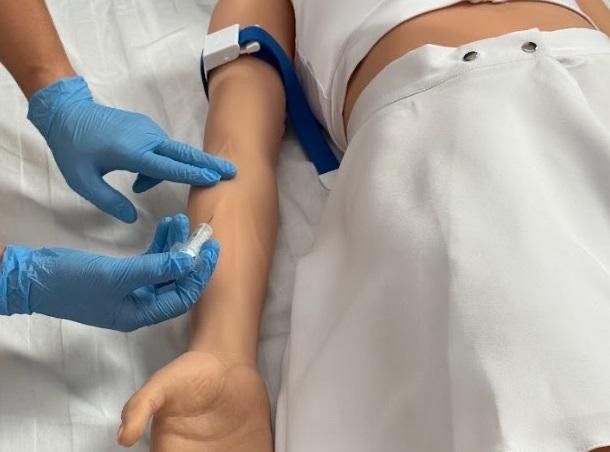
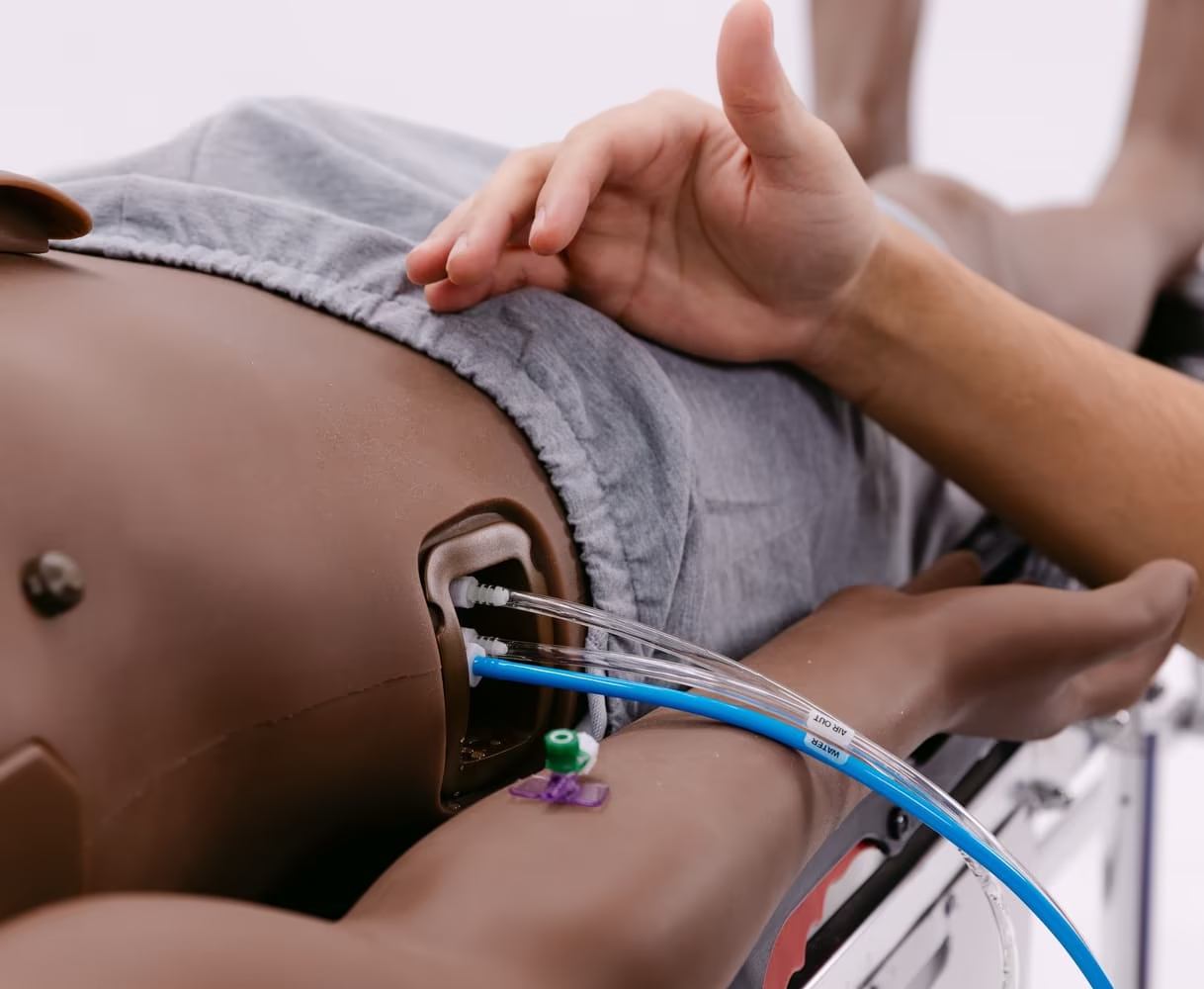
MedVision’s line of simulation products reflects this same diversity of nursing roles - from foundational education to advanced clinical training. Their MATT (MultiCare Advanced Training Torso) is a versatile simulator designed to support a broad range of nursing procedures, from basic patient care to complex assessments. Nursing students can practice vital skills such as catheterization, wound care, and intravenous therapy in a setting that mirrors real clinical conditions.
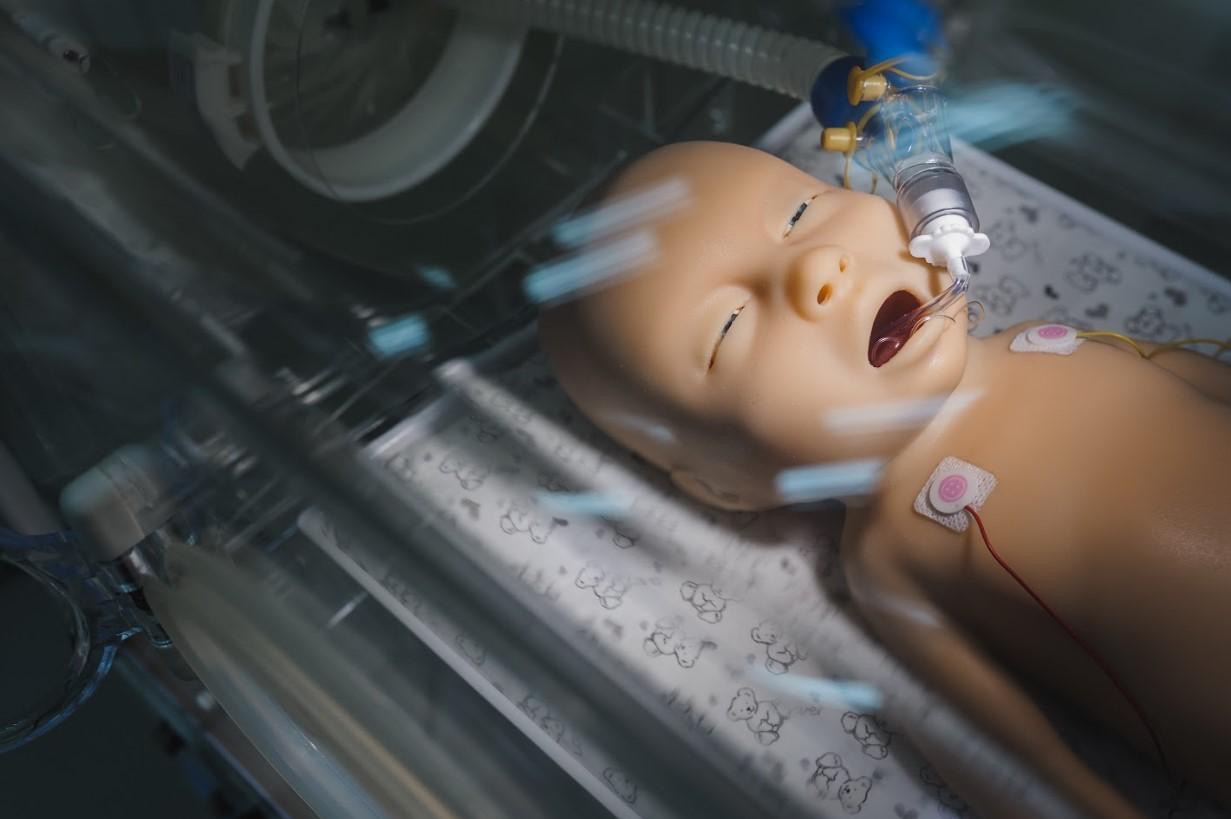
For more specialized learning, Arthur - MedVision’s advanced patient simulator - enables learners to experience full-body scenarios, including airway management, cardiovascular monitoring, and emergency response. Its lifelike physiological feedback helps bridge the gap between theory and practice, giving future nurses the confidence to act decisively under pressure.
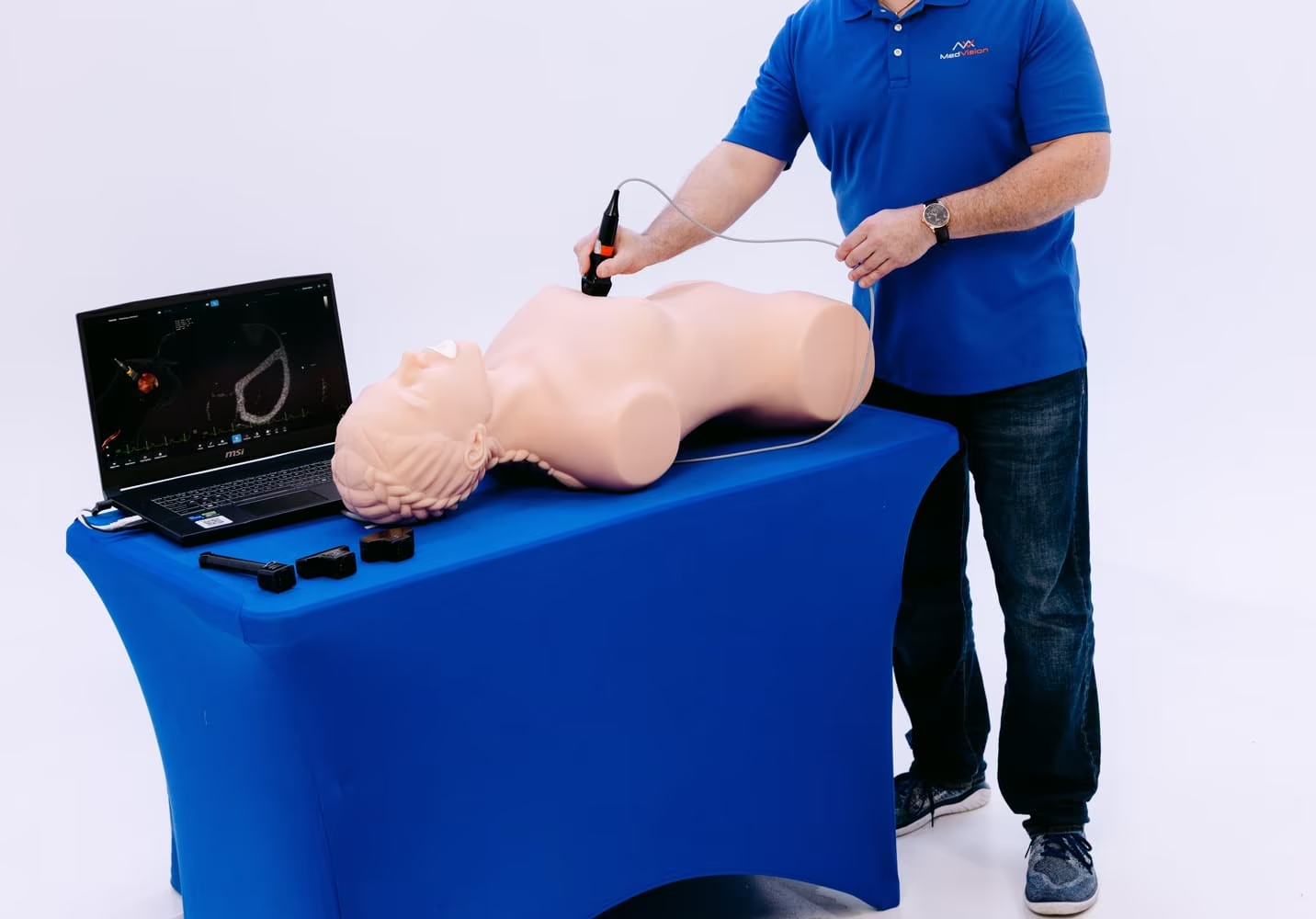
Meanwhile, SonoVision elevates nursing education through ultrasound-based learning. It trains practitioners in diagnostic imaging and anatomy recognition, providing immediate visual correlation between clinical signs and underlying structures - an invaluable skill in critical and maternal care.
Finally, the Anatomy Table serves as a cornerstone for theoretical learning, offering a dynamic 3D visualization of human anatomy. Nursing educators use it to guide students through organ systems and pathology models, fostering a deeper, spatial understanding of the human body before transitioning to hands-on simulation.
Together, these MedVision solutions form a cohesive training ecosystem that mirrors the real-world progression of nursing practice - from anatomy and diagnostics to advanced clinical care.
Why Understanding Nursing Types Matters
Recognizing the types of nursing available today is essential for anyone considering a career in healthcare. Beyond guiding educational choices, it helps clarify how different nurses contribute to patient outcomes, research, and the evolution of medical practice. Whether one’s goal is to specialize in intensive care, community health, or nurse education, understanding the spectrum of nursing roles ensures informed and purposeful career development.
Nursing is no longer confined to hospital walls. Modern nursing care extends into home health services, telemedicine platforms, and global health initiatives, proving that the influence of a nurse transcends geography and traditional practice boundaries.
Registered Nurse (RN): The Foundation of Professional Nursing
Among all types of nursing, the Registered Nurse (RN) remains the most recognized and versatile. RNs are the primary link between patients, physicians, and the wider health team - overseeing the continuum of care from admission to recovery. Their responsibilities extend far beyond administering medication; they interpret diagnostic results, educate families, and ensure the emotional well-being of those they serve.
To become a registered nurse, one typically earns either an Associate Degree in Nursing (ADN) or a Bachelor of Science in Nursing (BSN), followed by passing the NCLEX-RN licensing exam. Many RNs pursue further specialization in fields like pediatric care, critical care, mental health, or oncology, tailoring their practice to meet the diverse needs of modern patients.
In daily operations, RNs assess conditions, coordinate treatment plans, and collaborate closely with physicians and other medical professionals. They represent the front line of nursing care, providing not just clinical precision but also emotional reassurance in moments of uncertainty.

Licensed Practical Nurse (LPN) and Licensed Vocational Nurse (LVN): The Hands-On Healers
Licensed Practical Nurses (LPNs) - also known as Licensed Vocational Nurses (LVNs) in some states - form another cornerstone within the many types of nursing. Their work is deeply patient-centered, focusing on fundamental care tasks such as monitoring vital signs, assisting with hygiene, and supporting daily living activities for patients who require continuous supervision.
LPNs typically complete a one-year practical program and must pass the NCLEX-PN exam to obtain licensure. They operate under the guidance of RNs and physicians, ensuring that every aspect of basic health maintenance is executed with accuracy and compassion. Despite their narrower scope of practice, LPNs are indispensable in long-term care facilities, rehabilitation centers, and community clinics, where consistent hands-on attention is vital.
What distinguishes LPNs is their intimate understanding of each patient’s daily challenges - from managing chronic illnesses to recovering from surgeries. They often serve as trusted confidants, offering empathy that complements clinical treatment.
Advanced Practice Registered Nurse (APRN): The Vanguard of Specialized Care
At the highest tier of professional development within the types of nursing stands the Advanced Practice Registered Nurse (APRN) - a role that merges clinical authority with academic rigor. APRNs possess graduate-level education, typically a Master of Science in Nursing (MSN) or Doctor of Nursing Practice (DNP), and have the expertise to diagnose illnesses, prescribe medications, and manage complex care independently.
There are four primary categories of APRNs:
- Nurse Practitioners (NPs) – Provide comprehensive care across populations, often acting as primary healthcare providers.
- Clinical Nurse Specialists (CNSs) – Focus on specific fields such as cardiology, oncology, or mental health, elevating standards of evidence-based practice.
- Certified Nurse Midwives (CNMs) – Deliver prenatal, childbirth, and postnatal care, supporting maternal health with expertise and compassion.
- Certified Registered Nurse Anesthetists (CRNAs) – Administer anesthesia and monitor patients during surgical procedures, ensuring safety throughout complex interventions.
Each of these roles embodies the evolution of nursing, where clinical skill converges with autonomy and leadership. APRNs not only improve patient care outcomes but also shape healthcare policy, contribute to medical research, and mentor future generations of nurses.
Specialized Nursing Roles: From Pediatrics to Palliative Care
Beyond foundational positions, specialized types of nursing focus on targeted aspects of health and care, meeting the unique needs of specific patient populations. Specialization allows nurses to cultivate deep expertise and deliver precision-driven care, whether they’re comforting a child, stabilizing trauma victims, or guiding families through end-of-life decisions.
Pediatric Nursing: The Art of Healing the Young
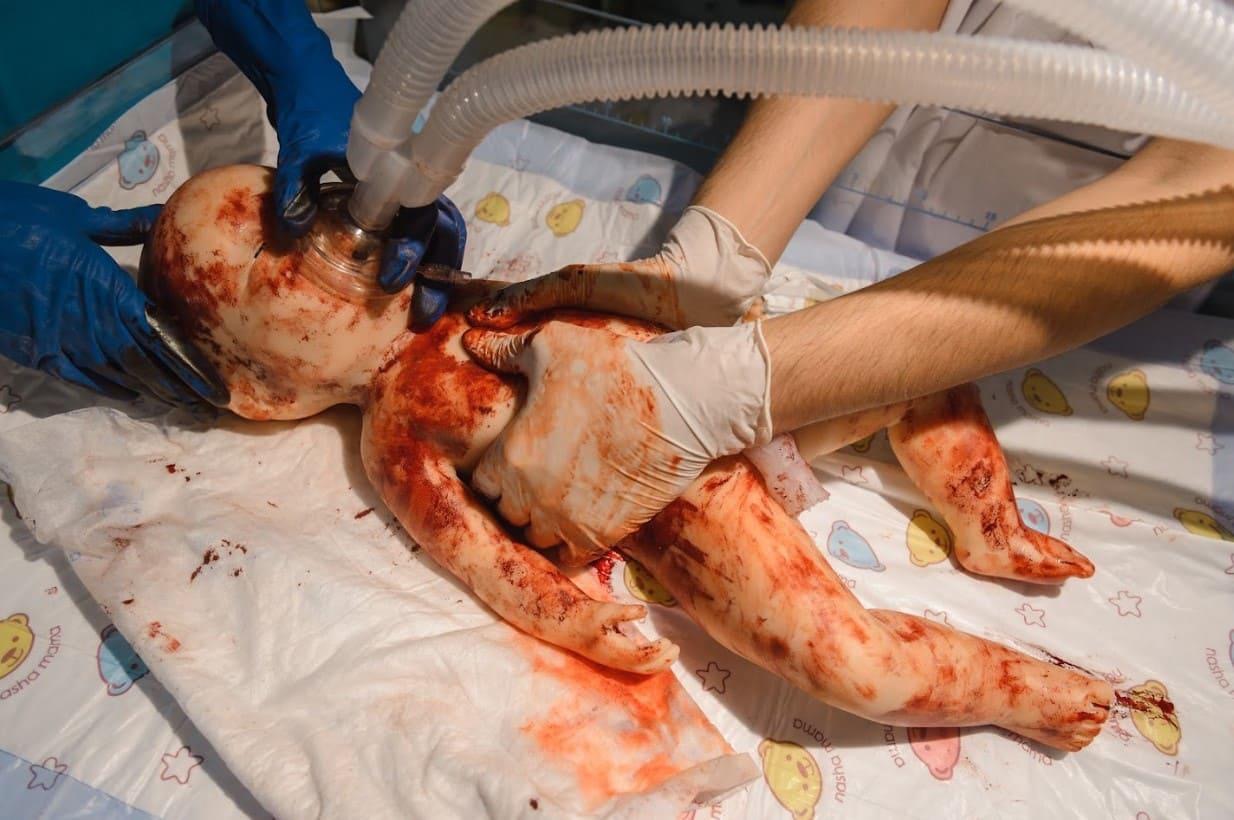
Pediatric nurses dedicate their expertise to infants, children, and adolescents - offering holistic care that supports both physical recovery and emotional resilience. These professionals monitor growth patterns, administer vaccines, manage acute illnesses, and provide health education to parents. Pediatric nursing demands both medical knowledge and a profound sense of empathy, as nurses often serve as advocates for vulnerable patients unable to voice their discomfort.
They frequently collaborate with pediatricians and child psychologists, ensuring that every stage of development aligns with established health standards. In hospitals and clinics alike, pediatric nurses are the steady presence that reassures anxious families while maintaining clinical excellence.
Geriatric Nursing: Guardians of Dignity and Continuity
Geriatric nurses, also known as elder care specialists, focus on supporting older patients as they navigate chronic illnesses and age-related challenges. This specialization within the types of nursing emphasizes sustaining independence, managing pain, and enhancing quality of life. Geriatric nursing care involves not just physical health management but also emotional connection - addressing loneliness, cognitive decline, and end-of-life planning with compassion and tact.
Working in hospices, long-term care facilities, and private homes, geriatric nurses ensure that aging patients receive respect alongside treatment. Their ability to combine empathy with evidence-based practice makes them indispensable to the modern health system.
Critical Care Nursing: Precision Under Pressure
In the fast-paced environments of intensive care units (ICUs) and emergency departments, critical care nurses operate at the sharpest edge of nursing expertise. They handle life-threatening conditions, monitor advanced life-support equipment, and respond instantly to patients’ changing conditions. Their every action can mean the difference between recovery and relapse.
Critical care nursing demands not only technical mastery but psychological endurance. These nurses remain composed under pressure, making split-second decisions while maintaining empathy for families in distress. Their work exemplifies the most acute form of health intervention, where scientific precision intertwines with human compassion.
Palliative and Hospice Nursing: The Compassionate Endgame
Few types of nursing require as much emotional intelligence as palliative care and hospice nursing. These professionals focus on improving comfort and quality of life for patients facing terminal conditions. Their mission transcends cure; it centers on dignity, relief, and presence.
Palliative nurses collaborate with interdisciplinary health teams to manage pain, provide emotional support, and guide families through complex decisions. They are trained in advanced communication, helping patients articulate their values and wishes with clarity and peace.
In the sphere of nursing care, these specialists embody humanity’s most profound act of service - ensuring that life concludes not in fear, but in grace and understanding.

Mental Health Nursing: Healing Beyond the Physical
Within the wide spectrum of types of nursing, mental health nurses represent the crucial bridge between medical science and emotional well-being. They work in psychiatric hospitals, community centers, and private practices, treating disorders such as depression, anxiety, schizophrenia, and addiction.
Mental health nursing requires a balance of empathy, communication, and evidence-based intervention. These nurses assess behavioral patterns, administer medication, and facilitate therapeutic sessions designed to restore emotional equilibrium. Their role is essential in modern healthcare, where mental wellness is finally recognized as inseparable from physical health.
Every interaction they have - from crisis de-escalation to long-term counseling - is guided by the philosophy that genuine care extends beyond the body and into the psyche.
Leadership and Advanced Practice Nursing
At the pinnacle of nursing expertise stand Advanced Practice Registered Nurses (APRNs) - professionals who combine clinical mastery with strategic leadership. They hold advanced degrees and are authorized to diagnose illnesses, prescribe medication, and manage complex patient cases independently.
Nurse Practitioners: Bridging the Physician Gap
Among APRNs, nurse practitioners (NPs) represent one of the most influential types of nursing. They operate in hospitals, clinics, and community settings, providing primary and specialized care that rivals that of physicians. NPs are pivotal in addressing global shortages of medical professionals, particularly in underserved areas.
Their comprehensive nursing background equips them to treat patients holistically - considering not only biological symptoms but psychological, social, and lifestyle dimensions of health.
Nurse Anesthetists and Midwives: Precision and Presence
Certified Registered Nurse Anesthetists (CRNAs) deliver critical anesthesia care in surgical and obstetric settings. Their precision under pressure ensures patient safety in high-risk procedures. Meanwhile, Certified Nurse Midwives (CNMs) champion natural birth processes, blending medical expertise with emotional reassurance.
Together, these advanced nursing professionals embody the synthesis of skill, science, and sensitivity - a living testament to the evolution of nursing care from bedside compassion to autonomous clinical leadership.
The Living Legacy of Nursing
In its essence, nursing is a dialogue between science and compassion. It is the quiet presence beside a frightened patient, the calculated precision during crisis, and the relentless pursuit of knowledge in the name of health. The types of nursing may vary - from the clinical to the educational, from the laboratory to the legislature - but their purpose remains constant: to protect, to heal, and to elevate the human condition.
As the 21st century unfolds, nurses are not merely participants in the healthcare narrative - they are its authors. Through innovation, empathy, and excellence, they write the future of care, one act of service at a time.
Frequently Asked Questions
1. What are the main types of nursing?
The primary types of nursing include registered nurses (RNs), licensed practical nurses (LPNs), advanced practice registered nurses (APRNs), nurse practitioners (NPs), nurse educators, public health nurses, and research nurses. Each plays a distinct yet interwoven role in supporting patients’ well-being.
2. Why is nursing so important in healthcare?
Nursing forms the backbone of modern care. Nurses provide continuous support, advocacy, and clinical judgment, ensuring patients receive safe, ethical, and holistic treatment.
3. What skills define a successful nurse?
From telemedicine to AI-driven diagnostics, technology enhances nursing efficiency and accuracy. Yet, its greatest contribution lies in freeing nurses to focus on what machines cannot - the human heart of care.
4. How is technology changing nursing?
From telemedicine to AI-driven diagnostics, technology enhances nursing efficiency and accuracy. Yet, its greatest contribution lies in freeing nurses to focus on what machines cannot - the human heart of care.
Immerse yourself in a demo to see how MedVision transforms traditional learning into an engaging, interactive experience
Subscribe for the Latest News!