
Building the ultimate medical simulation equipment list for modern training
So, what exactly goes into a fully functional clinical training facility? A medical simulation equipment list is a highly detailed inventory of specialized hardware and proprietary software required to educate healthcare professionals safely. It typically includes high-fidelity patient simulators, focused task training devices, diagnostic imaging systems, and dedicated audio-visual recording setups to ensure rigorous, risk-free clinical education.
Are you currently tasked with building a brand-new training facility from scratch? It is a genuinely overwhelming project. You stare at empty, quiet rooms and wonder how to properly transform them into a bustling, high-stress emergency department. Before you order a single piece of technology, you desperately need a highly structured simulation center equipment list. You cannot simply buy random devices from different catalogs and hope they all work together seamlessly. Every single item must integrate to create a believable, highly responsive clinical environment.
I always tell hospital administrators and university directors to start strictly with their core educational objectives. Are you primarily training first-year nursing students on basic vital signs, or are you preparing an elite surgical team for a complex organ transplant? Your specific educational curriculum dictates every single item that ends up on your medical simulation lab equipment list. Let's break down the absolute essentials you need to look for, focusing strictly on high-performance, integrated solutions.
The core foundation: high-performance human models
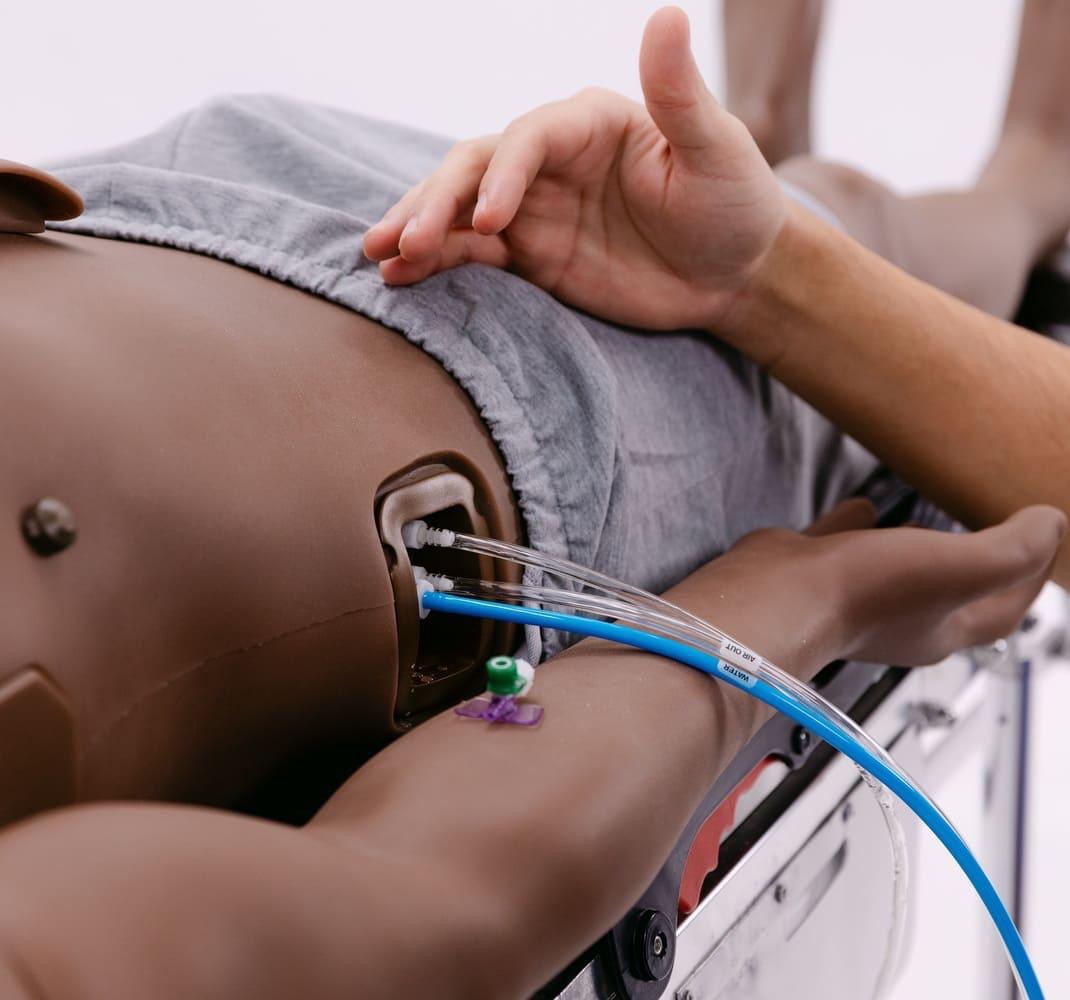
You simply cannot run a modern medical laboratory without advanced full-body systems. These are the undeniable anchors of your entire operation. A standard, rigid plastic dummy from twenty years ago just will not cut it anymore. Today's trainees require a hyper-realistic manikin that actually breathes, blinks, bleeds, and reacts to injected medications in real-time.
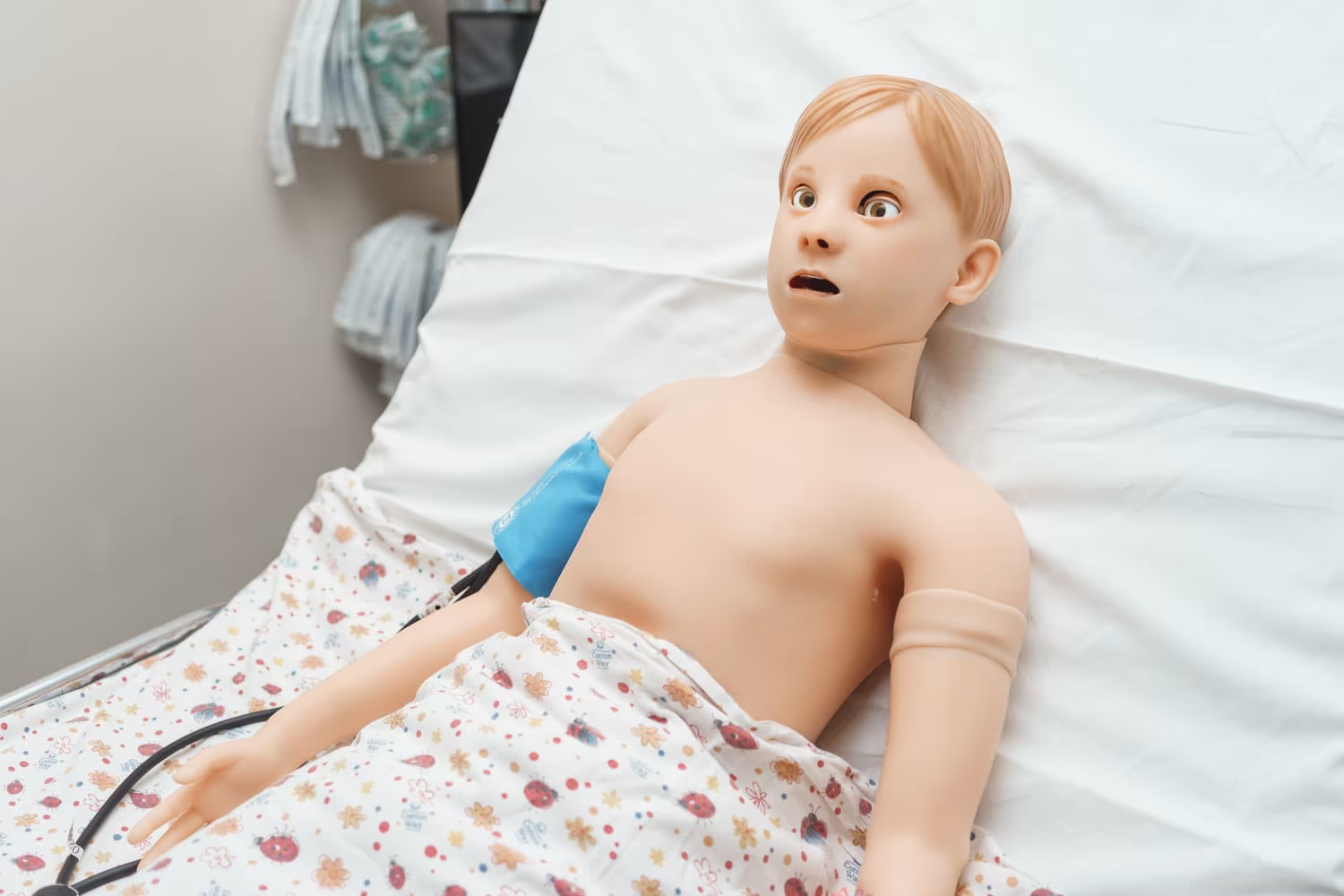
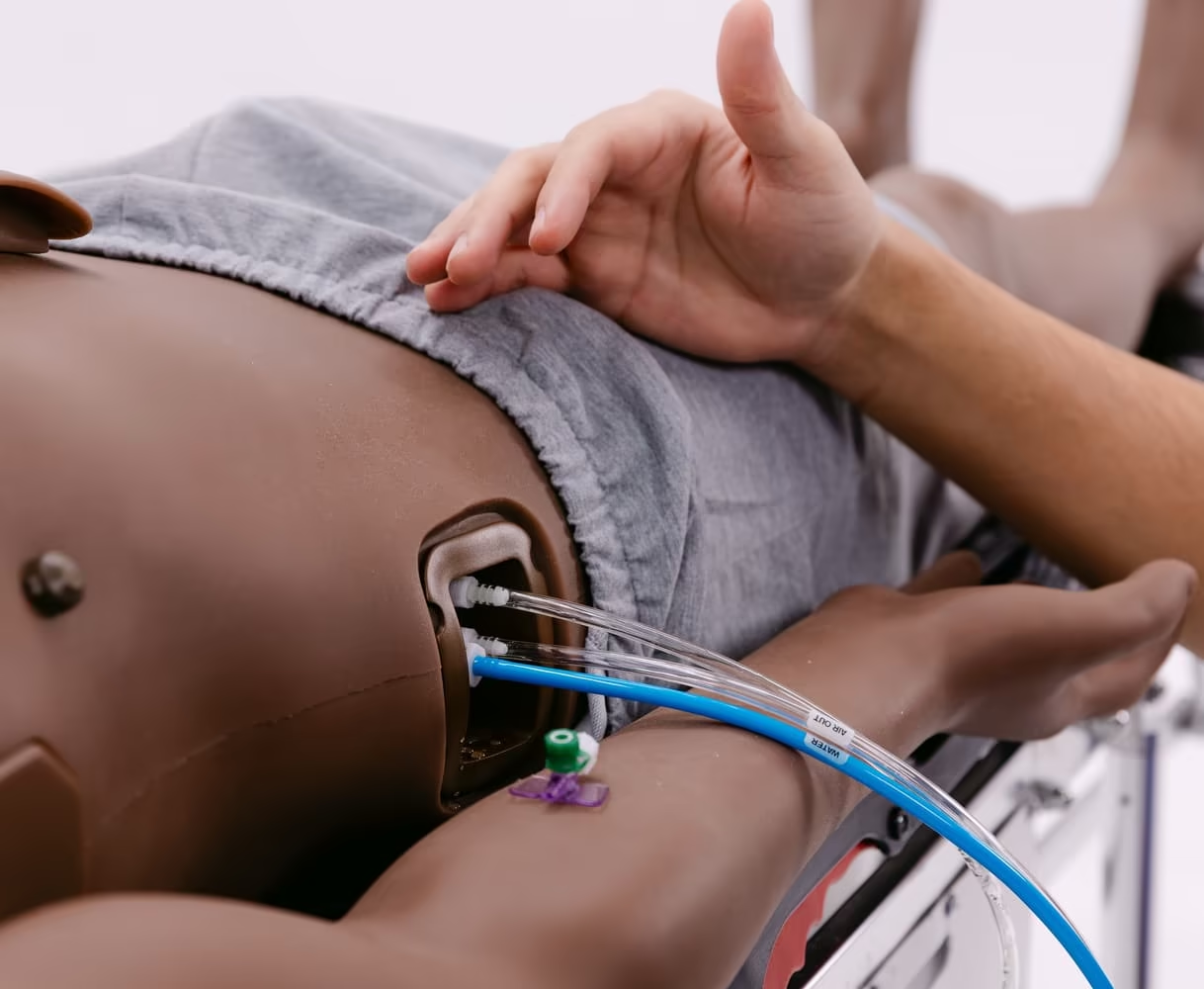
When sourcing clinical simulation equipment for universities, investing in top-tier advanced models like the Leonardo adult simulator is absolutely non-negotiable. Why? Because medical students need to experience the terrifying pressure of a sudden cardiac arrest without ever harming a real human being. When you utilize platforms that possess responsive vital signs and dynamic internal physiology, the psychological stress feels incredibly genuine. For comprehensive pediatric care, adding specialized infant models like Mia ensures your trainees are emotionally and technically prepared for the most fragile populations.
What about targeted diagnostic and task training?
Not every single training session requires a massive, complex, multi-departmental scenario. Sometimes, a medical student simply needs to practice one specific mechanical skill fifty times until their muscle memory is flawless. This is precisely why focused task trainers are a massive part of any successful lab setup.
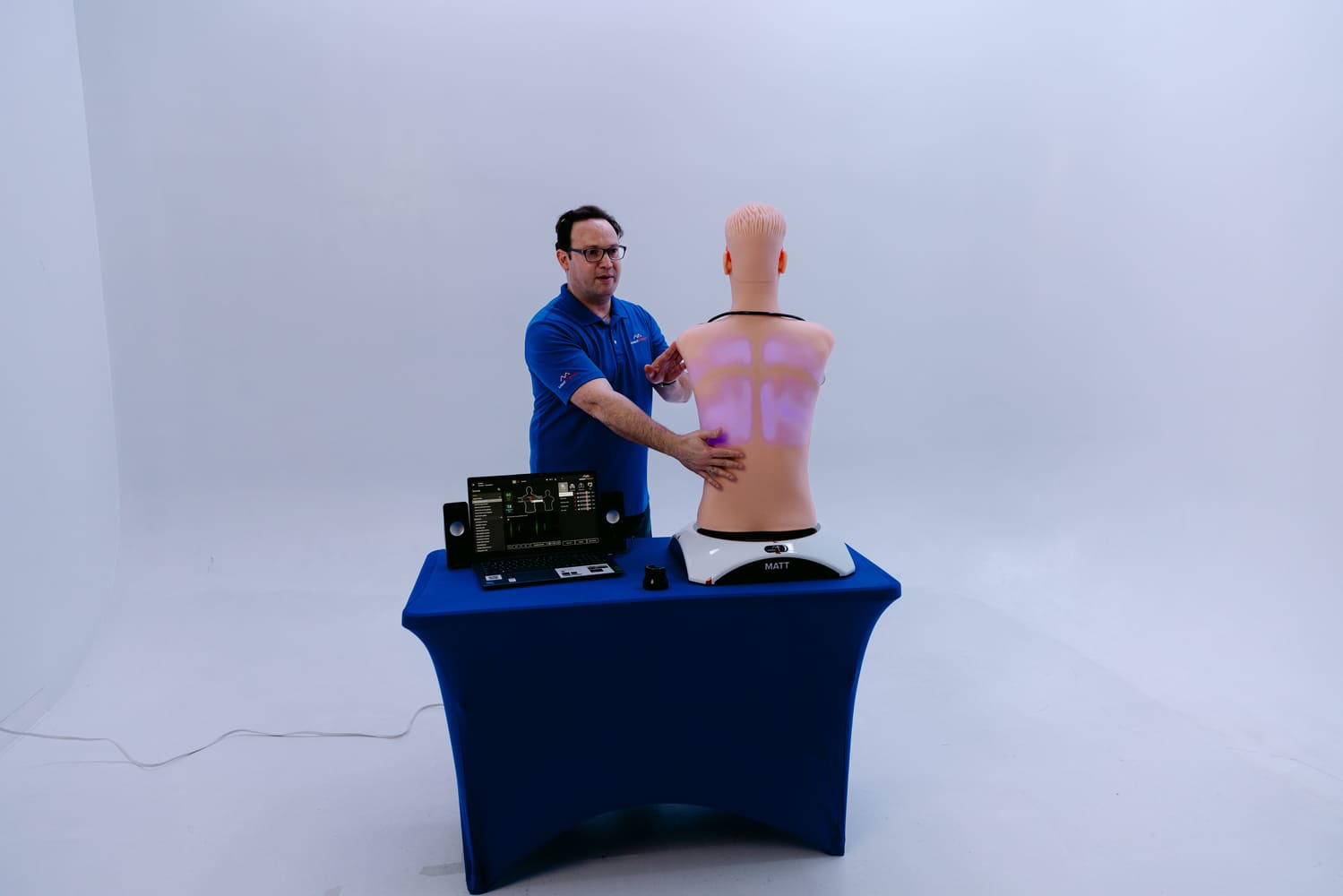
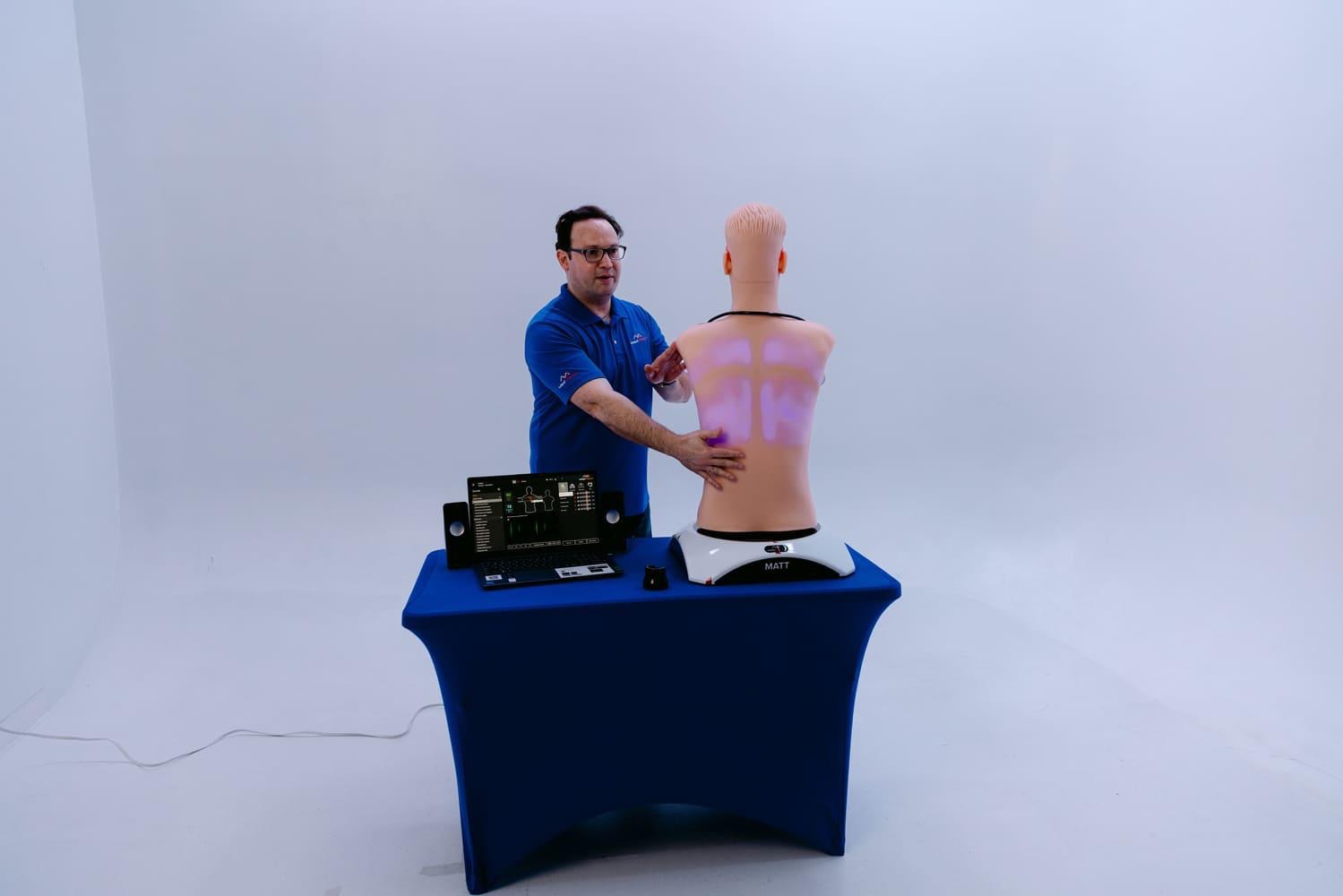
For example, mastering complex pulmonary and cardiac sounds is notoriously difficult for beginners. Using an auscultation task trainer like MATT provides a massive, pre-recorded library of accurate internal sounds. It visually guides the student on exact stethoscope placement using internal LED lights. These smaller, highly focused devices allow educators to isolate a specific clinical weakness and drill it repeatedly without setting up a full-room scenario.
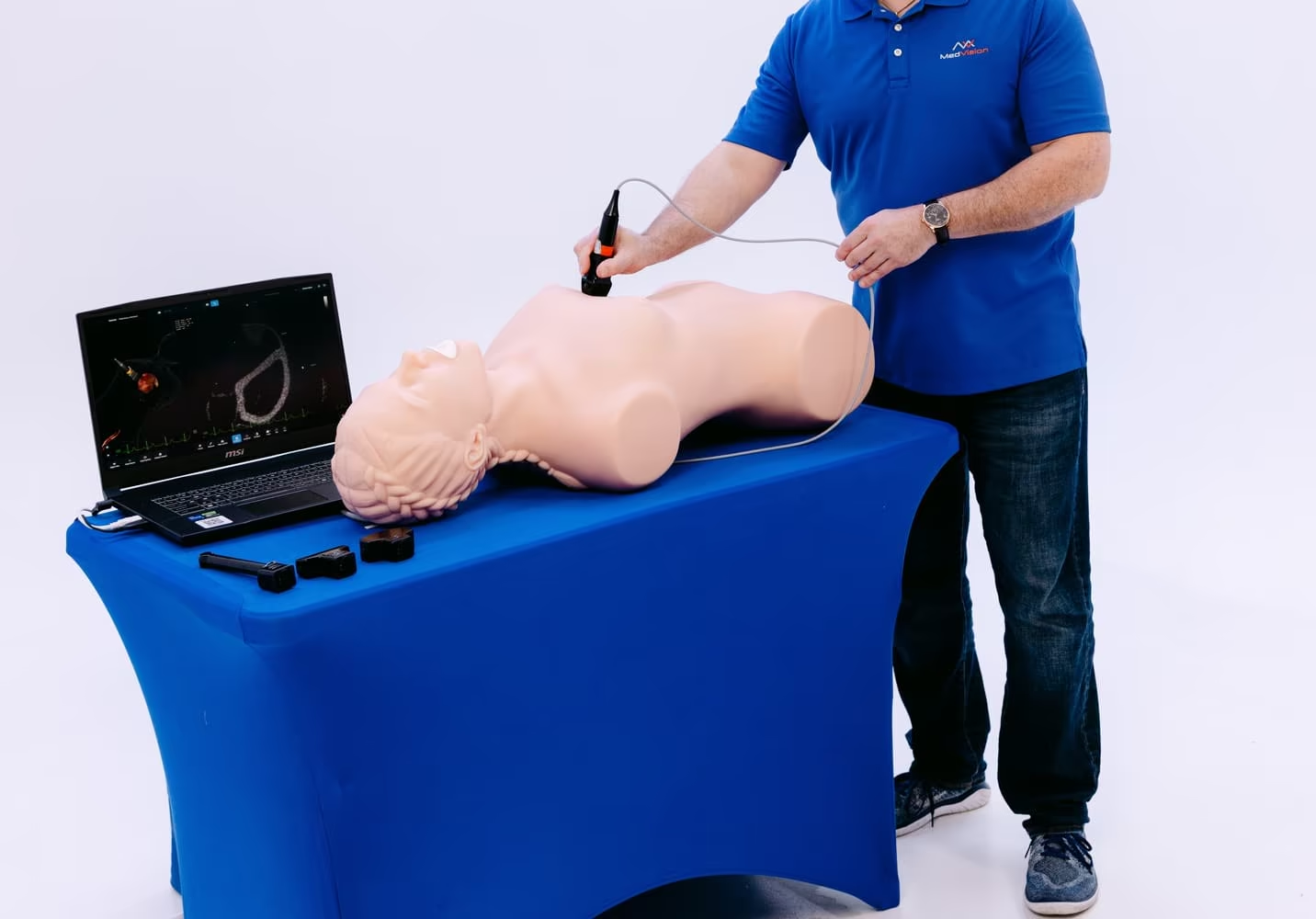
Furthermore, diagnostic proficiency is just as crucial as physical intervention. Incorporating an ultrasound diagnostic simulator like SonoVision allows clinicians to perfect their scanning techniques and complex image interpretation. They can safely explore virtual pathologies before they ever touch a clinical probe on a living person.
Bridging the gap with complex procedural platforms
Let's move beyond the emergency room doors. What happens when a surgical resident needs to practice an intricate internal procedure? If your facility supports active residency programs, your inventory must heavily feature specialized platforms. You absolutely do not want a resident holding a sharp instrument for the first time over a live human being.
Systems like LapVision or HystVision provide an incredibly immersive, tactile experience. The user actually feels the physical resistance of the virtual tissue as they navigate the complex internal anatomy. This precise level of physical haptic feedback builds critical motor skills and spatial awareness. It accelerates the learning curve exponentially, saving both time and overhead costs in the actual operating theater.
References & Literature
- Palaganas, J. C., Maxworthy, J. C., Epps, C. A., & Mancini, M. E. (2014). Defining Excellence in Simulation Programs. Society for Simulation in Healthcare (SSH).
- Levine, A. I., DeMaria, S., Schwartz, A. D., & Sim, A. J. (2013). The Comprehensive Textbook of Healthcare Simulation. Springer Science & Business Media.
- Gaba, D. M. (2004). "The future vision of simulation in health care." Quality and Safety in Health Care, 13(suppl 1), i2-i10.
- Ziv, A., Ben-David, S., & Ziv, M. (2005). "Simulation based medical education: an opportunity to learn from errors." Medical Teacher, 27(3), 193-199.
FAQ
What is the most critical item in a simulation lab?
The most crucial asset is a versatile, high-fidelity full-body simulator. These comprehensive models act as the foundation for endless emergency scenarios, allowing interdisciplinary teams to practice critical communication and life-saving clinical interventions in a completely safe, highly reactive environment.
Do universities need dedicated procedural simulators?
Yes, absolutely. If a university is preparing students for specialized medical residencies, acquiring laparoscopic or angiographic simulators is essential. They provide the necessary tactile feedback and physical repetition required to master complex motor skills safely before ever operating on living tissue.
How important is a debriefing system?
It is arguably as important as the physical hardware itself. A robust audio-video recording system allows educators to capture every single moment of a clinical drill. Reviewing this high-definition footage during debriefing helps students identify subtle communication errors and correct their mistakes organically.
Immerse yourself in a demo to see how MedVision transforms traditional learning into an engaging, interactive experience
Subscribe for the Latest News!